2026 Best LED Wall for Indoor and Outdoor Events?
Choosing the 2026 best LED wall for indoor and outdoor events requires more than comparing screen size or rental price. Event planners must examine brightness, pixel pitch, viewing distance, refresh rate, power use, and installation conditions. A bright outdoor stage may need 5,000 nits or more, while an indoor conference room often needs far less. Too much brightness can make faces look harsh.
“Choose the image quality your audience needs, then choose the size,” says Mark Grady, a veteran LED display consultant. His point matters. A fine-pitch LED wall can make product details and speaker close-ups look sharp. However, it may cost more and require careful handling. A larger pixel pitch can work well when viewers stand farther away.
Weather changes the decision.
Outdoor events need strong cabinets, sealed connections, stable mounting, and suitable IP protection. Wind, rain, dust, and direct sunlight can quickly expose weak equipment. Indoor venues create different concerns, including heat, noise, floor loading, and limited access through doors. I have seen impressive displays fail because the delivery route was ignored.
Reliability also depends on service planning. Ask about spare modules, receiving cards, calibration, warranty coverage, and on-site support. Test the wall before guests arrive. Check camera images, subtitles, gradients, and fast movement.
There is no universal winner. The best LED wall balances audience distance, creative demands, venue limits, budget, and risk. Some recommendations may look perfect on paper but disappoint under real event pressure. That uncertainty deserves honest review.
What Is an LED Wall for Indoor and Outdoor Events?
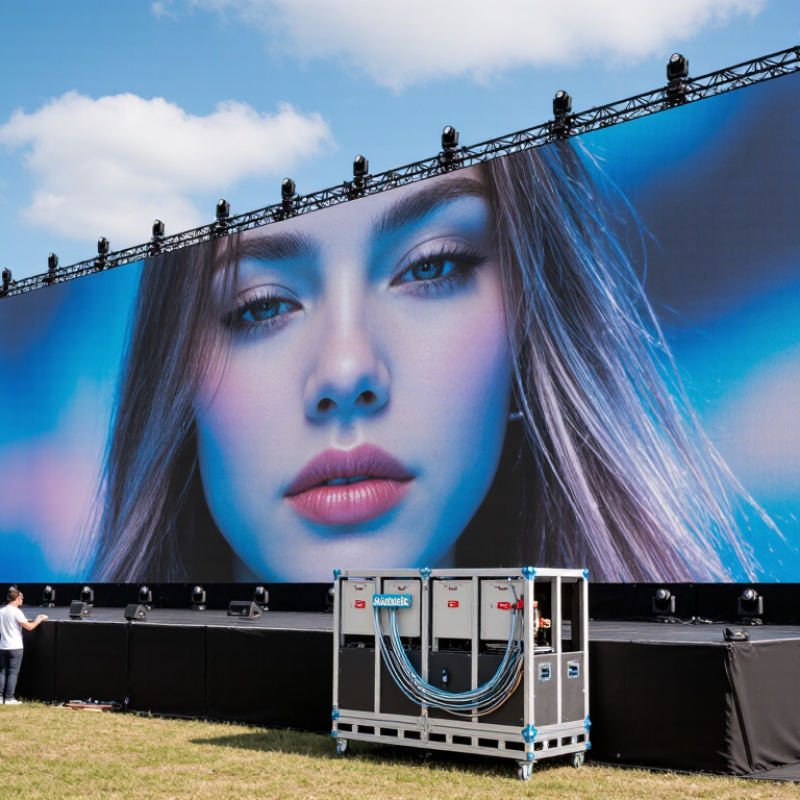
An LED wall is a large digital display built from many modular panels. Each panel contains light-emitting diodes, control electronics, and a protective frame. Together, these panels create one continuous image for concerts, conferences, sports venues, weddings, and public presentations. Unlike a projector, an LED wall produces its own light. It remains visible under stage lighting and does not require a flat projection surface. Indoor models usually use finer pixel spacing and lighter cabinets. Outdoor models need stronger brightness, weather protection, and stable mounting.
For indoor events, pixel pitch affects image sharpness at close viewing distances. A small pitch can show clean text, skin tones, and presentation graphics from the front rows. Outdoor audiences stand farther away, so brightness and cabinet durability often matter more than extreme resolution. Look for suitable waterproof protection, secure cable connections, and a refresh rate that reduces camera flicker. Power distribution also deserves attention. A wall may look impressive but overload an unprepared circuit.
Practical installation starts with venue measurements, viewing distance, ambient light, floor loading, and emergency access. Technicians should test every panel before guests arrive and keep spare modules available. The first setup may not be perfect. Slight color differences can appear after transport or long operation. Calibration, ventilation, and regular inspection help maintain consistent performance. I would avoid choosing by size alone; a smaller, brighter, well-supported wall can serve an event better than a huge display with weak structure or poor content control.
How to Compare LED Wall Technologies and Display Specifications
2026 Best LED Wall for Indoor and Outdoor Events?
Comparing LED wall technologies starts with viewing distance, not cabinet size. A 1.5 mm pixel pitch suits close indoor audiences, while 3.9 mm often works better beyond six metres. Smaller pixels improve detail, but they usually increase cost, processing demands, and replacement complexity. Grand View Research valued the global LED display market at about USD 7.1 billion in 2023, with projected growth through 2030. That expansion does not make every specification useful.
Brightness needs context. Indoor walls commonly operate around 800–1,500 nits, while outdoor systems may require 4,000–7,000 nits under direct sunlight. Excessive brightness can damage visual comfort indoors. Check refresh rate, grayscale performance, colour consistency, and camera compatibility during a real event. A 3,840 Hz refresh rate may reduce scan lines, but it cannot fix poor processing. For outdoor use, confirm IP65 protection under IEC 60529, weather sealing, thermal control, and wind-load documentation. AVIXA’s 2024 Industry Outlook also highlights live events as an important professional AV demand area.
Tips: Test a two-metre sample under venue lighting. Film it with the intended camera. Compare power draw at normal brightness, not maximum output. I have seen specification sheets hide heat and maintenance limits. That is worth questioning.
2026 Best LED Wall for Indoor and Outdoor Events?
Typical LED wall brightness requirements vary by viewing environment. Higher brightness improves visibility in daylight, while indoor installations generally use lower brightness to reduce glare and power consumption.
How to compare: Indoor event walls commonly use approximately 800–1,500 nits, while outdoor displays may require 2,500–6,000 nits depending on direct sunlight. Also compare pixel pitch, refresh rate, viewing distance, power consumption, and weather protection. Fine-pitch LED walls around 1.5–2.9 mm are suitable for close indoor viewing, while outdoor walls often use 3.9–10 mm pixel pitch. For camera-friendly events, a refresh rate of at least 3,840 Hz is commonly preferred, and outdoor cabinets should generally provide IP65 front protection or higher.
Choosing the Right LED Wall for Indoor Event Environments
Choosing the Right LED Wall for Indoor Event Environments
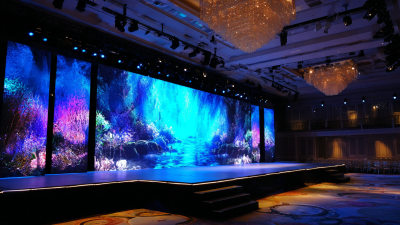
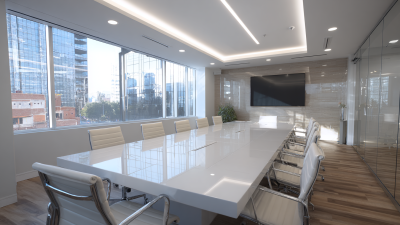
An indoor LED wall must match the room, audience, and program—not simply look powerful. For a ballroom, a 1.5–2.6 mm pixel pitch usually keeps text sharp at close viewing distances. Larger spaces may tolerate a wider pitch. More pixels are not always better.
Brightness needs careful control indoors. Excessive output can wash faces, strain eyes, and overpower stage lighting. A wall with fine brightness adjustment helps during speeches, product displays, and filmed sessions. A refresh rate above 3,840 Hz can reduce scan lines on cameras, although camera testing remains essential. Small differences appear on screen.
I have seen event teams choose a wall before checking the loading route. That mistake creates avoidable delays. Confirm panel weight, cabinet dimensions, power distribution, rigging points, and emergency access with the venue. Front-service access can save time when a module needs replacement. Reliable signal backup also matters during live presentations. Test every processor, cable path, and playback source before guests arrive.
Indoor acoustics deserve attention too. Some cabinet designs produce noticeable fan noise in quiet conference rooms. Ask for operating noise data, not vague assurances. A calibrated wall should show consistent color from edge to edge, especially across skin tones and dark backgrounds. Poor calibration becomes obvious during close-up video. The best specification may still fail if installation discipline is weak.
2026 Best LED Wall for Indoor and Outdoor Events? - Choosing the Right LED Wall for Indoor Event Environments
| Event Environment |
Recommended Pixel Pitch |
Typical Viewing Distance |
Recommended Brightness |
Minimum Refresh Rate |
Protection Rating |
Recommended Cabinet Type |
Main Selection Priority |
| Small Indoor Meeting or Presentation |
1.5–2.5 mm |
2–8 m |
600–1,000 nits |
1,920 Hz or higher |
Indoor-rated; IP20 is generally sufficient |
Lightweight front-service cabinet |
Fine image detail, low fan noise, and easy installation |
| Indoor Conference or Corporate Event |
1.9–2.6 mm |
3–12 m |
800–1,200 nits |
3,840 Hz preferred for camera use |
Indoor-rated; IP20 |
Fine-pitch, modular rental cabinet |
Camera-friendly performance, color consistency, and serviceability |
| Indoor Exhibition or Trade Show |
1.5–2.9 mm |
2–10 m |
800–1,500 nits |
1,920–3,840 Hz |
Indoor-rated; IP20 |
Lightweight, quick-assembly cabinet |
High visual impact, compact depth, and fast setup |
| Indoor Concert or Stage Backdrop |
2.6–4.8 mm |
4–20 m |
1,000–1,500 nits |
3,840 Hz or higher |
Indoor-rated; IP20 |
Lightweight rental cabinet with optional curved sections |
Low weight, high refresh rate, rigging flexibility, and durability |
| Outdoor Daytime Event |
3.9–6.7 mm |
6–30 m |
4,500–6,500 nits |
3,840 Hz preferred for live video |
At least IP65 on the front; IP54 or higher on the rear |
Weather-resistant rental cabinet with reinforced structure |
Sunlight readability, water resistance, wind safety, and heat management |
| Outdoor Evening or Night Event |
3.9–6.7 mm |
6–30 m |
3,500–5,500 nits with brightness control |
1,920–3,840 Hz |
At least IP65 on the front; IP54 or higher on the rear |
Weather-resistant cabinet with automatic dimming support |
Brightness adjustment, environmental protection, and reduced light spill |
| Outdoor Sports Venue |
6.7–10 mm |
10–80 m |
5,000–8,000 nits |
3,840 Hz or higher |
IP65 front and rear recommended |
High-strength outdoor cabinet with impact protection |
Long-distance visibility, motion clarity, impact resistance, and reliability |
Selection Notes: Pixel pitch is measured in millimeters; a smaller pitch generally provides higher image detail at shorter viewing distances. Brightness requirements vary with sunlight, ambient lighting, camera exposure, and local event regulations. IP ratings should be verified for the complete installed system, including cabinets, cables, power distribution, and weatherproof connections.
Installation, Operation, Safety, and Maintenance Considerations
For a 2026 LED wall, installation begins with the venue, not the screen. Indoor walls need stable power, clear sightlines, and safe cable routes. Outdoor walls require weather protection, ballast, wind calculations, and certified rigging. IEC 60529 defines IP ratings, but an IP rating does not replace site inspection. Water can still enter through loose connectors.
During operation, technicians should check brightness, refresh rate, signal redundancy, and cabinet temperature. The U.S. Department of Energy reports that LED lighting uses at least 75% less energy than incandescent lighting and can last up to 25 times longer. An LED wall is not identical to a lamp, but the efficiency lesson remains relevant. Measure power draw instead of trusting specifications. Running every panel at maximum brightness wastes energy and may shorten component life.
Maintenance should include daily visual checks, connector inspections, fan cleaning, and spare-module testing. AVIXA’s 2024 Industry Outlook and Trends Analysis estimated the professional audiovisual market at roughly 332 billion dollars in 2023, showing how widely complex event systems are being deployed. Yet larger budgets do not prevent basic mistakes. I have seen dust buildup cause uneven brightness after only a few events. Keep a maintenance log, record pixel faults, and replace damaged cables quickly. Safety documentation should follow IEC 62368-1 principles, local electrical rules, and the venue’s emergency procedures. Some planning will still be imperfect. Test it before the audience arrives.