As the demand for sustainable solutions grows, the market for solar LED outdoor lights is booming. In 2026, it's expected to reach a significant milestone. Industry reports indicate that this sector will see a growth rate of around 15% annually. Consumers now prioritize energy efficiency without compromising on style.
When choosing solar LED outdoor lights, numerous factors come into play. Brightness, battery life, and design are crucial aspects. A recent study showed that 70% of customers prefer lights with longer-lasting batteries and higher brightness for security purposes. However, some products fall short in durability or performance.
Be mindful when selecting these lights. Not every brand delivers on promises. Some units may not withstand harsh weather conditions. Others may have limited brightness despite claims. Research and comparison are vital. Your choices significantly impact both the environment and your energy bills.
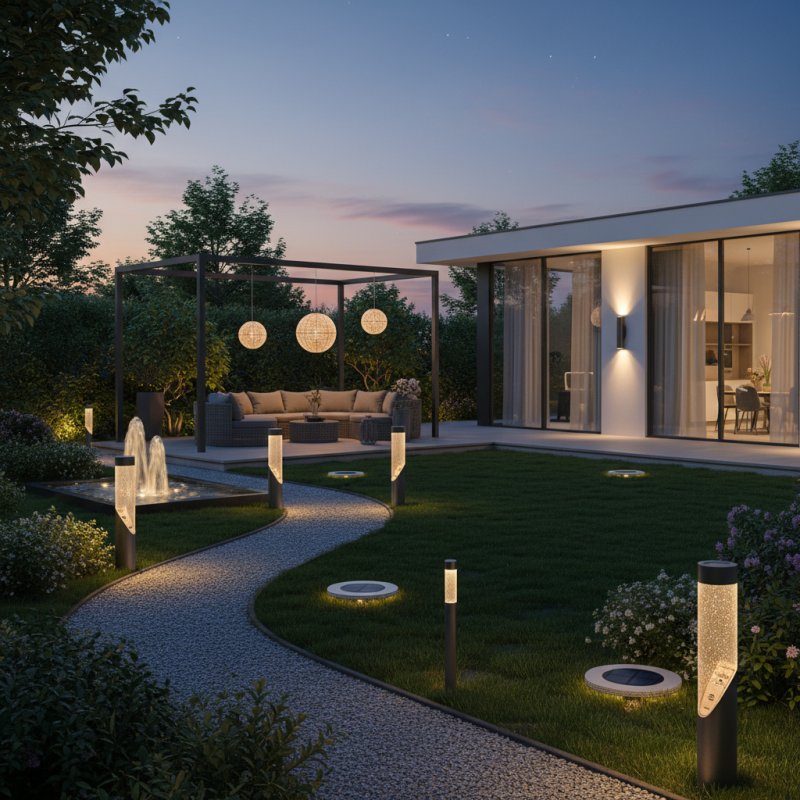
Solar LED outdoor lights are an innovative solution for nighttime illumination. These lights harness energy from the sun, making them eco-friendly. During the day, solar panels absorb sunlight and convert it into electricity. This energy is stored in rechargeable batteries for later use. When the sun sets, the lights automatically turn on, providing illumination without relying on the grid.
These lights are more than just functional; they also enhance outdoor spaces. Available in various designs, they can beautify gardens, pathways, and patios. However, some lights may not shine as brightly as expected, especially in cloudy weather. It's essential to consider the solar panel's efficiency when choosing a model. The battery life can vary significantly, impacting how long the lights will work at night.
Moreover, placement is crucial. A poorly placed solar light may receive insufficient sunlight. This can lead to dim lighting or frequent charging. It's a good idea to experiment with locations to find the best spots. Regular maintenance, such as cleaning the solar panels, can also improve performance over time. Ultimately, understanding the working mechanism of solar LED outdoor lights is key to making informed choices for your outdoor spaces.
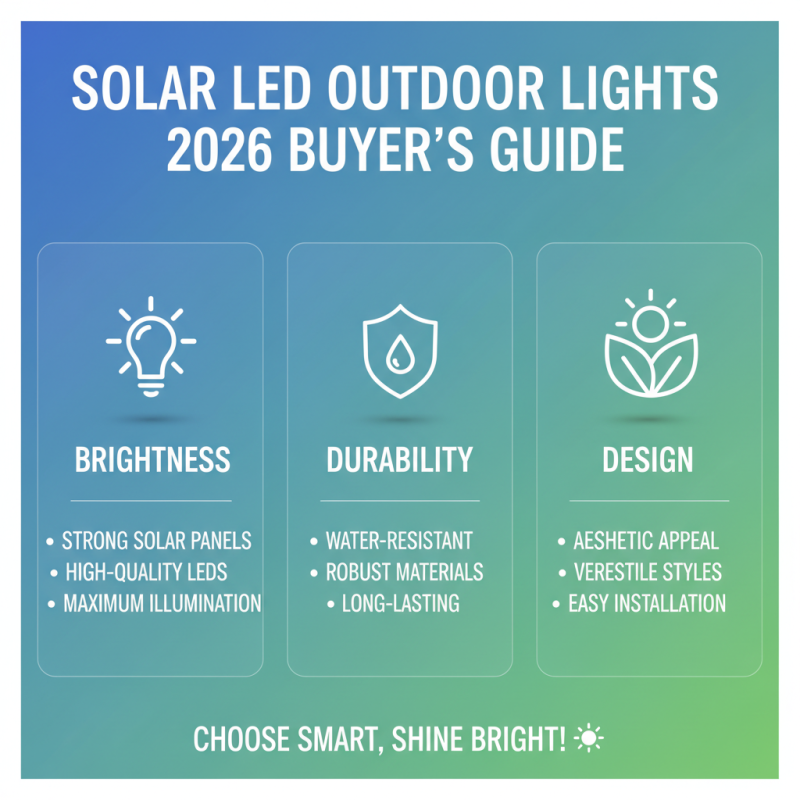
When selecting solar LED outdoor lights, consider several key features to ensure you make the best choice. Brightness is crucial; look for lumens ratings that match your outdoor space. For pathways, 100 to 300 lumens are often sufficient. For larger areas, a higher lumen output is better. Check the color temperature too. A warm white light can create a cozy atmosphere, while cool white is more energizing.
Battery life is another important feature. Some lights offer longer operation times due to larger batteries. However, under poor sun exposure, they may still underperform. Look for solar lights with built-in intelligence. Although they can be pricier, they adapt to ambient light levels. Durability matters. Weather-resistant materials are essential for longevity. If the lights are flimsy, they may not withstand harsh conditions. It's also worth noting that installation options vary. Some lights require tools, while others are user-friendly. The choice can impact your installation experience and overall satisfaction.
When it comes to selecting solar LED outdoor lights, it's important to understand the various types available. Pathway lights are a popular choice. They enhance safety by illuminating walking paths and driveways. Data from the American Society of Landscape Architects indicates that well-lit pathways can reduce accidents by up to 30%. These lights often come in a variety of designs and heights, making them perfect for any garden or yard.
Flood lights offer a different function. They are ideal for security and illuminating larger outdoor spaces. A report from the Solar Energy Industries Association highlights that these lights can increase visibility significantly, deterring potential intruders. However, improper placement can lead to light pollution, affecting local wildlife and disrupting neighbors. Careful attention to positioning is necessary.
Decorative options, like solar lanterns and string lights, create an inviting atmosphere. They enhance the aesthetic appeal of outdoor areas. While they may not provide as much illumination as pathway or flood lights, they contribute to the ambiance. However, choosing the wrong style can make a space feel cluttered, so selecting designs that match the overall theme is crucial. Balancing functionality and visual appeal is essential.
| Type | Brightness (Lumens) | Battery Life (Hours) | Waterproof Rating | Installation Type |
|---|---|---|---|---|
| Pathway Lights | 50-300 | 8-12 | IP65 | Stake |
| Flood Lights | 200-1200 | 10-15 | IP67 | Wall-Mount |
| Decorative Lights | 20-150 | 6-10 | IP44 | Hanging/Stake |
When choosing the best solar LED outdoor lights for 2026, consider brightness, durability, and design. Many options are available, which can be overwhelming. Look for models that boast strong solar panels and high-quality LEDs for maximum illumination. Water-resistant features are a must for outdoor use.
Tips: Always check reviews before making a decision. Feature comparisons can help refine your choices. Don't rush into a purchase; take time to find what fits your needs.
Various models cater to different preferences. Some focus on security, while others enhance aesthetics. Solar lights can also offer smart technology, like motion sensors and remote control. However, some might lack longevity. Pay attention to warranties and customer service.
Tips: Consider your local weather conditions. Harsh climates can affect light performance. Test a few models to see how they hold up over time. You might discover unexpected benefits or drawbacks as you use them.
When installing solar LED outdoor lights, placement is crucial. Aim for areas that receive maximum sunlight. This helps the batteries charge effectively. Research indicates that outdoor solar lights can achieve up to 15 hours of illumination from a full day's charge. However, poor placement could lead to diminished performance. The lighting efficiency may drop significantly if they are in shaded areas.
Regular maintenance is also important. For optimal performance, clean the solar panels every month. Dust and debris can lower their efficiency by up to 30%. Check for any obstructions that may block sunlight throughout the day. Additionally, inspect the battery condition annually. Many outdoor solar lights may require a battery replacement every few years, depending on usage and exposure to weather conditions.
It's easy to overlook these elements. Many users fail to regularly maintain their lights. This oversight can lead to frustration when lights do not function as expected. Simple mistakes, like not adjusting the angle after the seasons change, can affect performance. Awareness of these details can make a significant difference in the longevity and efficiency of solar LED outdoor lighting.