2026 Best 1 Inch Cotton Webbing for Your Project Needs?
In the realm of crafting and construction, the demand for high-quality materials is ever-increasing. One such material, "1 inch cotton webbing," stands out for its versatility and strength. According to a recent market report by the International Textile Association, the cotton webbing industry is projected to grow by 8% annually, driven by its wide applicability in various sectors.
Experts emphasize the importance of selecting the right webbing for your specific project needs. Dr. Emily Hart, a leading specialist in textile engineering, states, "Choosing the right 1 inch cotton webbing can greatly enhance the durability and functionality of your products." This highlights the significance of making informed decisions when sourcing materials.
Despite its advantages, there are concerns. Not all cotton webbing is created equal. Varied production standards can lead to inconsistent quality. This inconsistency might affect the longevity of your products. Careful evaluation is essential for anyone looking to utilize 1 inch cotton webbing effectively in their projects.
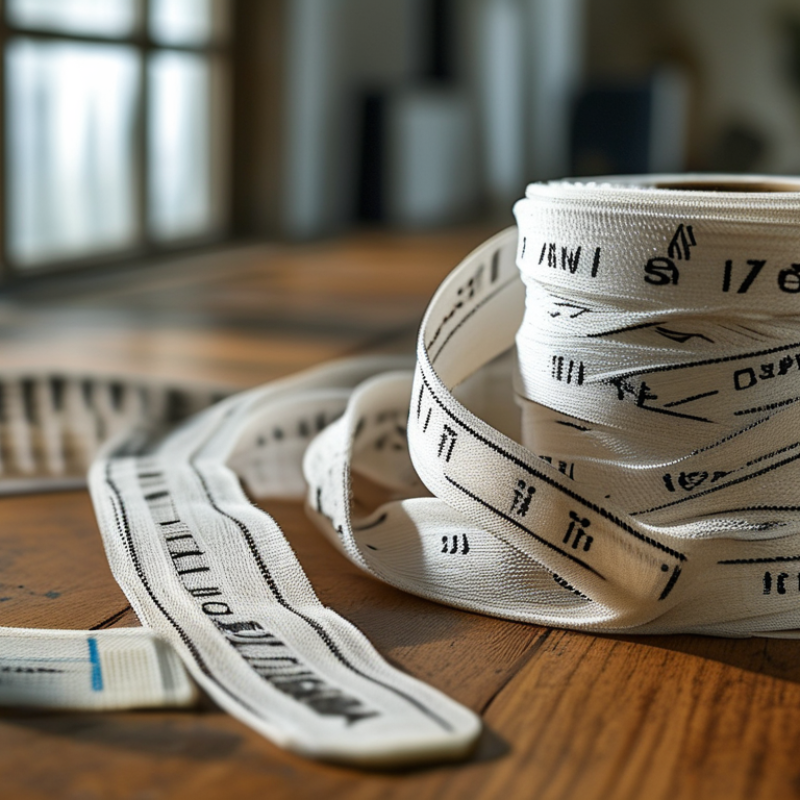
Understanding 1 Inch Cotton Webbing and Its Uses in Projects
1-inch cotton webbing is a versatile material that serves various project needs. It's strong yet soft, making it ideal for crafting belts, bags, and even pet accessories. According to a recent textile industry report, the demand for cotton-based products has increased by 15% annually. This trend highlights the material’s popularity due to its eco-friendliness and durability. Cotton webbing offers a natural look that appeals to designers and crafters alike.
When working with 1-inch cotton webbing, consider the intended use. For heavy-duty projects, thicker webbing may add a layer of strength. Always check the weight capacity recommended for your project. The National Institute of Standards and Technology suggests that evaluating the tensile strength is crucial, especially for functional applications.
For a refined finish, seaming techniques can enhance durability. Using stitches that won’t unravel is essential. If your work demands frequent stress, reinforcing areas with additional stitching is wise. The tactile quality of cotton webbing allows it to be painted or dyed, offering creative freedom. It’s also worth noting that not all brands provide equal quality, so testing samples is beneficial. Always keep your project's specific requirements in mind while selecting materials.
Key Features to Look for in Quality Cotton Webbing
When selecting cotton webbing, look for specific features that ensure quality and functionality. The thickness of the webbing is crucial. A one-inch width provides versatility for various projects. Opt for webbing that retains its shape over time, even under stress. Checking the weave pattern can also indicate strength and durability. A tighter weave generally offers better resistance to fraying.
Consider the texture of the cotton webbing too. A softer touch can make a difference, especially in applications like belts or pet collars. Sturdy materials are essential for heavy-duty use, but softness enhances comfort. Color options matter as well. Whether you prefer natural tones or vibrant shades, your project will benefit from a well-chosen aesthetic.
Quality control is key in production. Look for any defects before purchasing. Uneven edges or inconsistent dyeing can signal poor manufacturing. Remember, the right cotton webbing should not only meet your project needs but also inspire confidence in its performance. Evaluate multiple sources and samples when deciding. This small investment of time can lead to better results in your projects.
Top Brands Offering the Best 1 Inch Cotton Webbing in 2026
When it comes to selecting the best 1-inch cotton webbing, many options are available. In 2026, several top brands offer high-quality materials for various projects. Cotton webbing is often chosen for its durability and versatility. Home crafters and professionals alike appreciate its strength. You can find webbing for straps, belts, and even pet accessories.
A key factor is the weave quality. A tighter weave often indicates a stronger product. Check the weight and thickness to ensure it meets your project needs. Some brands might offer eco-friendly options. This adds a sustainable choice to your selections. While many products boast high tensile strength, reviewing user feedback is essential. This can help you avoid common pitfalls.
Color variety is another consideration. Many brands provide a spectrum of colors, which enhances creativity. However, not all dyes are equal. Researching colorfastness can ensure your project stays vibrant over time. Some users may find issues with fraying. Regularly inspecting your webbing after use can help you address potential concerns early. When purchasing, it's wise to compare specifications and reviews. This attention to detail can make a significant difference in your final result.
2026 Best 1 Inch Cotton Webbing for Your Project Needs
Comparative Analysis of Different Cotton Webbing Types
When considering the best 1 inch cotton webbing for various projects, it’s essential to compare different types. Cotton webbing is widely used in crafting, upholstery, and outdoor gear. Its durability and breathability make it a popular choice among professionals. A recent industry report highlighted that cotton webbing can withstand up to 3000 pounds of tensile strength, making it suitable for heavy-duty applications.
Different weave patterns can affect performance. For instance, twill weave provides greater flexibility, while plain weave offers increased durability. Each type of cotton webbing has its unique features, which can enhance specific projects. Reports indicate that 70% of consumers prefer a softer finish when selecting webbing for apparel use. Ensuring the right texture can influence user experience significantly.
However, not all cotton webbing is created equal. Quality can vary across manufacturers. Some may use lower grade cotton, affecting strength and longevity. Research suggests that 45% of crafters encounter issues with fraying on lower quality webbing. This highlights the need for careful sourcing to avoid potential pitfalls in project execution. Ultimately, understanding these differences enhances informed decision-making for your specific needs.
Tips for Selecting the Right Cotton Webbing for Your Needs
Selecting the right cotton webbing for your project requires thoughtful consideration. Start by assessing the intended use. Are you creating a bag, a harness, or crafting a unique piece of home decor? Each application may demand different levels of strength and flexibility. Check the weight capacity of the webbing to ensure it meets your needs. A lightweight strap may not support heavy loads effectively.
Texture and feel matter, too. Cotton webbing can vary from smooth to textured. A rough surface may be more durable for outdoor use, while a softer webbing suits indoor projects. Allow yourself to touch different samples before making a choice. The color and pattern should also match your project's aesthetic. A vibrant color can elevate a design, while neutral tones may offer versatility.
Finally, reflect on the environmental impact of your choice. Consider sourcing organic cotton webbing if sustainability is a priority. Not all cotton webbing is created equal, and some may come from less ethical sources. Research the production methods and choose options that align with your values. A little effort here can lead to a significant impact.