Best Distribution Transformer Options for Global Buyers?
Distribution Transformers play a crucial role in the power distribution network. They help reduce high voltage levels to safe, usable levels for consumers. Selecting the best distribution transformer is essential for ensuring efficient energy delivery and minimizing losses.
Various options are available to global buyers. These transformers come in different sizes and specifications. Factors like voltage rating and efficiency ratings are vital in making an informed choice. However, not all products are created equal, and some may not meet international standards.
Buyers should consider the reputation of manufacturers and their compliance with safety regulations. Researching user reviews and case studies can provide valuable insight. Ultimately, the right distribution transformer can lead to better power management and lower operational costs.
Key Features to Consider in Distribution Transformers
When selecting a distribution transformer, several key features demand careful consideration. The transformer’s capacity is crucial. It should align with the anticipated load demands. Too small a transformer may lead to overheating, while an oversized unit can be inefficient. Assessing load factors accurately is fundamental.
Another vital feature is energy efficiency. Look for transformers with low losses, especially under load. This will lead to reduced operational costs over time. High-efficiency designs can significantly lower energy consumption, contributing to sustainability goals.
Additional aspects include the insulation material and cooling system. Adequate insulation can affect the lifespan and reliability of the transformer. Different cooling methods, such as air or oil, will impact performance and maintenance needs. Regular monitoring and maintenance are necessary, but choosing the right transformer can minimize these burdens. Balancing these factors requires a thoughtful approach. The right transformer can enhance reliability and effectiveness in power distribution.
Types of Distribution Transformers for Different Applications
Distribution transformers play a critical role in global power systems. They step down voltages for safe and efficient distribution. Applications vary widely, making it essential to understand the different types available.
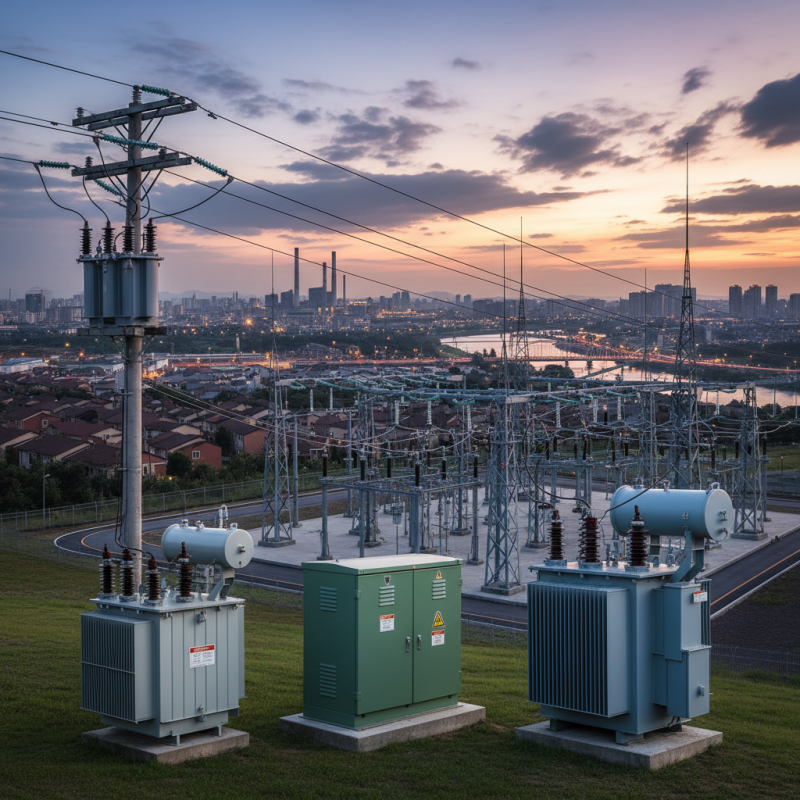
There are three main types: pole-mounted, underground, and substation transformers. Pole-mounted units are commonly used in residential areas. They need to withstand weather conditions while ensuring safety.
Underground transformers are suited for urban settings, often placed in vaults. They save space but can be expensive to install. Substation transformers handle higher capacities and are vital for industrial uses. A report from the International Energy Agency (IEA) notes that demand for efficient transformers is increasing by 4% annually.
Efficiency is crucial. Some transformers boast over 98% efficiency, which reduces energy loss. However, older types may still be in use, potentially harming grid performance. The global trend towards renewable energy sources also impacts transformer design. Better cooling and insulation materials are being explored for enhanced performance. As buyers assess options, understanding these nuances helps in making informed decisions.
Top Global Manufacturers of Distribution Transformers
In the dynamic landscape of electrical distribution, selecting the right transformer is vital for operational efficiency. Distribution transformers convert high voltage to lower voltage levels for end consumers. Thus, knowing key manufacturers can significantly impact infrastructure quality.
Several top global manufacturers have garnered reputations based on reliability and performance. These companies often prioritize advanced technology in their design and production processes. They focus on energy efficiency features and adhere to stringent quality standards. Yet, not all manufacturers perform equally across the globe. Some may struggle with supply chain issues or inconsistent product quality.
In this competitive sector, the expertise of manufacturers varies widely. Some are pioneers, influencing market trends and setting benchmarks. Others may lag due to outdated practices or limited innovation capabilities. Buyers should assess their options thoroughly, considering regional needs and specifications. Continuous evaluation of manufacturer performance is essential for effective decision-making in transformer procurement.
Best Distribution Transformer Options for Global Buyers
Cost-Benefit Analysis of Various Distribution Transformer Models
When considering distribution transformers, a cost-benefit analysis is key. Various models offer distinct features and advantages. Some transformer models are efficient but come at a higher initial cost. Others may have lower upfront expenses, yet they can incur higher maintenance costs over time. This balance between price and reliability needs careful evaluation.
Understanding your energy needs is also crucial. A transformer that excels in one application might not be ideal for another. For instance, transformers designed for urban areas often have different requirements than those for rural setups. Buyers must analyze specific usage scenarios to gauge overall value. Reflecting on energy requirements and environmental factors can lead to more informed decisions.
The longevity of a transformer is an important consideration. Short-term savings can lead to long-term losses if the transformer fails prematurely. The landscape of energy demands is rapidly changing, making future-proofing a priority. Regular assessments of performance and efficiency will help ensure optimal operation. Ultimately, maintaining a flexible approach is necessary as needs evolve.
Sustainability and Efficiency Trends in Distribution Transformer Design
In recent years, the distribution transformer industry has shifted towards sustainability and efficiency. Manufacturers are rethinking designs to reduce energy losses and enhance performance. High-efficiency transformers now utilize innovative materials like amorphous steel. This change can cut energy consumption significantly.
Furthermore, eco-friendly manufacturing processes have gained traction. Many companies focus on reducing carbon footprints. They aim to create products that are easier to recycle. However, not all manufacturers adhere to these practices. Some still rely on outdated methods. Buyers must be vigilant when selecting suppliers.
The integration of smart technologies is another trend to note. Smart transformers can monitor and adjust performance in real-time. This capability enhances efficiency and reduces operational costs. Yet, the adoption of these technologies comes with challenges. Transitioning to smart systems requires upfront investments and training. Potential buyers should weigh these factors carefully.