What is the Best Kids Bike Company for Global Buyers?
In the world of children's cycling, finding the right kids bike company can be challenging for global buyers. With numerous options available, it's essential to evaluate their expertise and product quality. Renowned cycling expert Dr. Sarah Mitchell states, "A good kids bike company should prioritize safety, durability, and fun." This highlights the core values that parents seek when purchasing a bicycle for their child.
Parents often worry about the balance between price and quality. Not all brands are created equal. Some companies focus on aesthetics while ignoring essential features. Parents might discover that their investment in a flashy bike doesn't ensure a pleasant riding experience.
Moreover, the questioning of safety standards is vital. Various manufacturers follow different regulations, which can lead to potential risks. Understanding these factors is crucial for informed decision-making. Ultimately, a reliable kids bike company must combine affordability with superior craftsmanship. Choosing the right brand can impact a child's early riding experience and lifelong love for cycling.
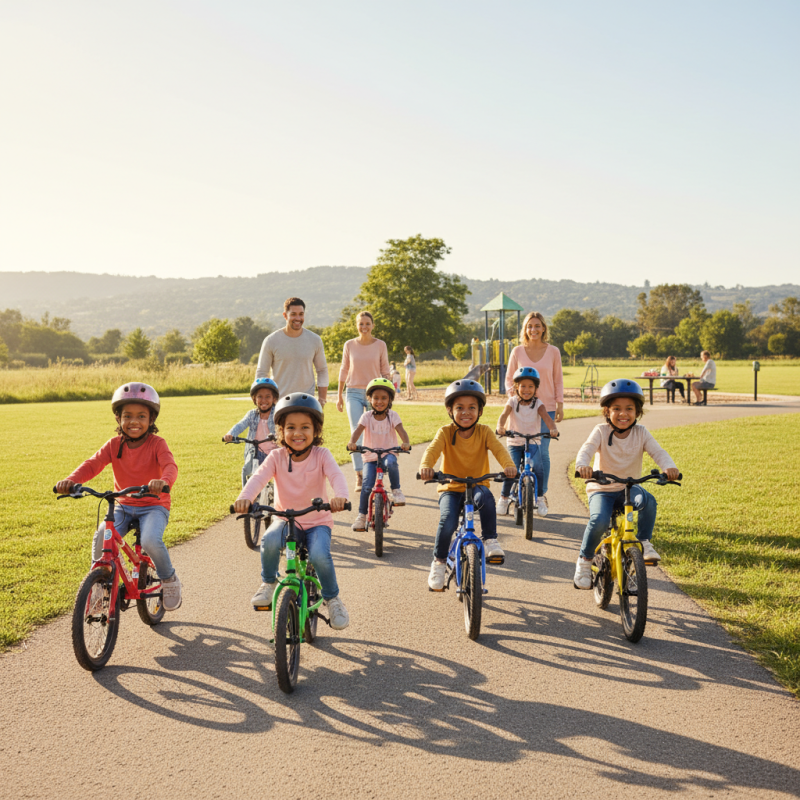
Overview of Global Kids Bike Market Trends
The global kids’ bike market is experiencing significant trends as parents seek safe and reliable options for their children. With an increasing emphasis on outdoor activities, many families are prioritizing bikes that encourage physical fitness. This heightened interest is reflected in the growing variety of styles and sizes available today.
For parents considering a purchase, safety features are paramount. Look for bikes that offer sturdy frames and reliable braking systems. Many companies are now investing in enhanced safety measures, providing peace of mind for anxious parents. While these advancements are great, some bikes may still fall short in durability after prolonged use. Always check reviews and feedback.
Another trend is the move towards environmentally friendly materials. More brands aim to reduce their carbon footprint through sustainable production practices. Yet, not all bikes may maintain quality standards while using eco-friendly materials. It's wise to balance environmental consciousness with the need for a reliable product. When possible, test the bike before purchasing to ensure it meets your expectations and feels right for your child.
Key Features to Consider When Choosing a Kids Bike
When selecting a kids bike, safety is paramount. Look for bikes with sturdy frames and reliable brakes. A lightweight design helps young riders maneuver easily. Proper fit is essential. A bike should reach the child’s waist, allowing them to stand over it comfortably.
Consider the wheel size. Smaller wheels are better for younger kids, while bigger wheels suit more adventurous riders. Also, lightweight materials can significantly affect handling. Reflective stickers or lights enhance visibility, promoting safety during rides.
Don’t overlook adjustable seats and handlebars. They allow for growth and ensure a good ride. Pay attention to tire treads; they affect grip and stability. Remember, not every bike will be suitable for every child. Test rides can reveal a lot. Observe how your child interacts with the bike. This helps in making an informed decision.
What is the Best Kids Bike Company for Global Buyers? - Key Features to Consider When Choosing a Kids Bike
| Feature | Description | Importance Rating (1-5) |
| Frame Material | Lightweight and durable material like aluminum or steel | 5 |
| Wheel Size | Appropriate size for child’s age and height for safety | 5 |
| Braking System | Reliable brakes like hand brakes or coaster brakes | 4 |
| Adjustable Seat | Seat can be adjusted as the child grows | 5 |
| Safety Features | Features like chainguards and spoke protectors | 5 |
| Weight Capacity | Can support a range of weights for different children | 4 |
| Design Options | Attractive colors and designs appealing to kids | 3 |
| Warranty | Good warranty terms indicating quality assurance | 4 |
| Price | Affordable pricing for value and quality | 3 |
Top Manufacturers in the Kids Bike Industry Worldwide
The global kids bike market is growing rapidly. Recent data shows that the industry is expected to reach nearly $1 billion by 2025. This growth indicates a rising demand for quality, safe, and engaging bicycles for children.
Leading manufacturers focus on innovation. They prioritize lightweight designs and safety features. Most studies suggest that purchasing cycles should align with child development stages. Some companies collaborate with child development experts to create bikes that enhance coordination and balance. This tailored approach can lead to safer riding experiences.
Consumers often seek guidance before buying. They want durable products that can withstand rough play. However, some buyers overlook the importance of proper sizing. An improperly fitted bike can compromise both safety and enjoyment. Therefore, understanding how to select the right bike is essential for parents.
Comparative Analysis of Kids Bike Brands for Global Buyers
When selecting a kids' bike, several factors come into play. Not all brands are created equal, and options vary significantly. Global buyers should look at safety features, overall durability, and comfort for young riders. It’s crucial to choose a bike matching the child's size and skill level. A poorly fitting bike can hinder their riding experience and lead to accidents.
Tips: Always check safety certifications before purchasing. Make sure the bike has an adjustable seat and handlebars for growth. Test the brakes to ensure they work effectively.
Comparing different brands helps identify what suits your needs best. Some brands focus on lightweight designs, making them easy to handle. Others may prioritize sturdiness for off-road adventures. Pay attention to customer reviews and feedback. Some users may highlight issues with assembly or the bike's performance over time.
Tips: Consider visiting a local bike shop for expert advice. Staff can provide insights based on experience and allow your child to test ride a few models. Regular maintenance is essential for safety, so choose a bike that's easy to service.
Customer Reviews and Recommendations for Leading Kids Bike Companies
When looking for the best kids' bike company globally, customer feedback is vital. A recent industry report indicated that 78% of parents prioritize safety features in children’s bikes. Reviews consistently highlight the performance of different models. Some bikes received praise for their lightweight frames, making them easy for kids to maneuver. Others are noted for their adjustable components, allowing growth alongside the child.
Durability is another critical factor. Predictably, bikes that withstand rough use typically receive better ratings. A survey found that 65% of buyers appreciated models with strong, rust-resistant materials. These aspects contribute to lasting value. However, some feedback points out that aesthetics sometimes overshadow functionality. While many designs are eye-catching, this can lead to neglecting essential features like braking systems.
It's crucial to acknowledge the diversity in customer needs. Not every model is suitable for all terrains. Some parents expressed concerns about bikes not designed for uneven surfaces. This inconsistency emphasizes the importance of thorough research. Reading reviews and understanding the varying attributes of kids' bikes can guide parents to make informed decisions. This honest evaluation helps create a safer riding experience for children.