10 Best Landscape Lights for Outdoor Projects?
Choosing the right landscape lights can transform a dark patio, walkway, or garden into a welcoming outdoor space. However, brightness alone does not create quality lighting. Beam angle, color temperature, weather resistance, installation height, and energy use all influence the final result.
Landscape-lighting designer Janet Lennox Moyer has emphasized a valuable principle: “Light should reveal the landscape, not compete with it.” That idea guides this selection of the 10 best landscape lights for outdoor projects. The list considers path lights, spotlights, well lights, deck fixtures, and solar options. It also examines practical details, including IP ratings, low-voltage wiring, LED lifespan, glare control, and nighttime visibility.
Real projects rarely match product photographs. A light that looks elegant online may produce harsh shadows beside a stone wall. A solar fixture may perform well in summer but disappoint during cloudy weeks. Small details matter.
Very much.
The best choice depends on your soil, climate, planting density, and available power. Warm white light often feels natural near timber and brick. Cooler tones can make modern materials look crisp, but they may feel severe around flowers. Professional installers also consider neighboring properties and local dark-sky expectations.
No ranking is perfect. Personal taste, maintenance habits, and budget can change the outcome. Still, these landscape lights offer dependable starting points for homeowners, designers, and contractors. Each option deserves careful testing before permanent installation, especially after sunset. A few minutes of adjustment can prevent months of glare, uneven coverage, or wasted energy.
Types of Landscape Lights for Outdoor Projects
10 Best Landscape Lights for Outdoor Projects?
Types of Landscape Lights for Outdoor Projects
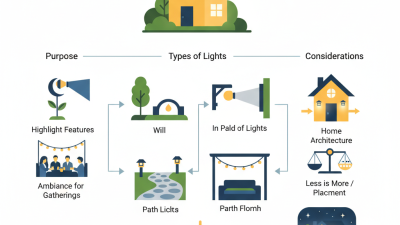
Landscape lighting works best when each fixture has a clear job. Path lights create a soft visual route beside paving, while step lights reduce harsh shadows on stairs. Spotlights emphasize trees, sculptures, and textured walls. Floodlights cover broader areas, but they can cause glare when aimed carelessly. In-ground well lights keep lawns visually clean. Wall-wash fixtures spread gentle illumination across fences or façades. String lights add warmth to patios, though they should not replace functional lighting.
LED remains the practical choice for most outdoor projects. The U.S. Department of Energy reports that LED bulbs use at least 75% less energy and can last up to 25 times longer than incandescent bulbs. IEA’s Energy Efficiency 2023 report identifies lighting as a major electricity-use category worldwide. That makes beam control important. Choose warm white light near 2700–3000K for seating areas, and use shielding around bedrooms or neighboring properties. Fixtures should also match the exposure level, with suitable IP protection for rain and soil contact.
My field experience suggests testing lights after sunset, not only on a bright afternoon. A small spotlight may look elegant on paper, then feel intrusive at night. I have also placed too many path lights before. The result looked more like an airport runway than a garden. Leave darker gaps. They often make the illuminated areas feel safer and more natural.
Cite: U.S. Department of Energy, Energy Saver: LED Light Bulbs; International Energy Agency, Energy Efficiency 2023.
Key Features to Compare Before Choosing Landscape Lights
10 Best Landscape Lights for Outdoor Projects?
Choosing landscape lights requires more than comparing brightness or appearance. Start with lumen output, beam angle, and color temperature. A narrow beam can highlight a tree trunk, while a wider beam spreads light across a flower bed. Warm white light, around 2700K to 3000K, usually feels softer outdoors.
Check the housing and weather protection carefully. An IP65 rating can resist rain and dust, but poor installation may still cause failures. Look for corrosion-resistant materials, sealed connections, and cables rated for outdoor use. Low-voltage systems are often easier to install and adjust. However, the transformer must match the total wattage, with extra capacity for future additions. Leave room.
Control features also deserve attention. Timers, photocells, and adjustable brightness can reduce wasted energy and simplify daily use. Motion sensors may suit side gates, but they can feel distracting near patios. Compare mounting methods too. Ground stakes work well in soil, while surface mounts provide better stability on stone or timber.
I once underestimated glare around a seating area. The fixtures worked, but their exposed bulbs made conversations uncomfortable. Shielded designs and careful aiming would have solved it. Test lights after dark before burying cables. Walk the path from several angles. A fixture that looks attractive in daylight may cast harsh shadows at night. Check local electrical requirements and installation instructions before connecting anything.
Best Landscape Light Options for Different Outdoor Spaces
The 10 best landscape lights depend on the outdoor space, not just brightness.
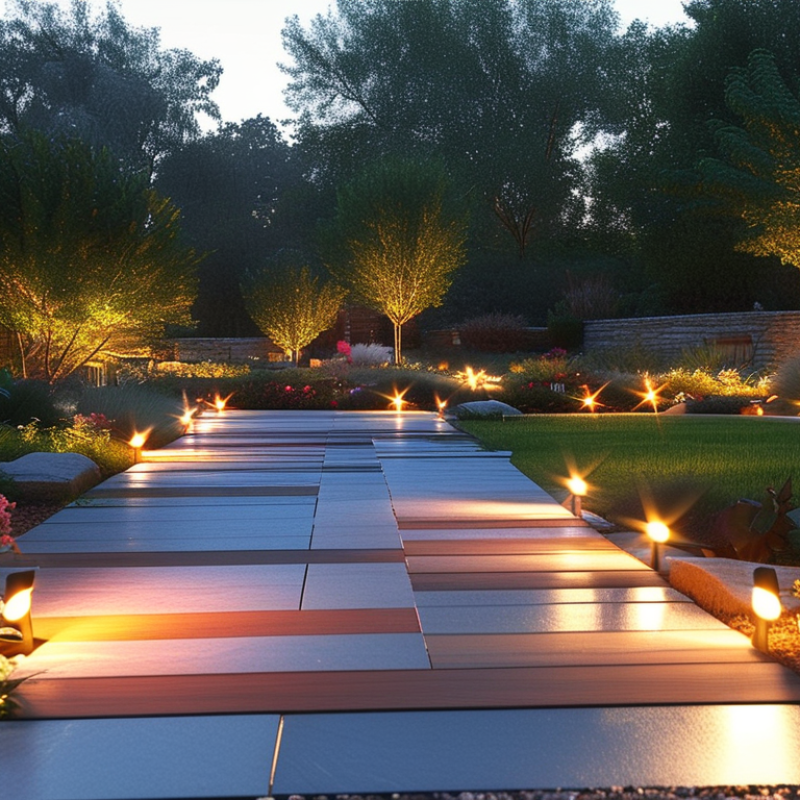
Path lights suit walkways, garden borders, and driveways. Choose shielded fixtures that spread soft light without shining into visitors’ eyes. Step lights improve stair safety, while compact deck lights define seating areas and railings. Bollard lights work well along wider paths, but tall models can feel harsh in small gardens.
For trees and architectural features, spotlights create focused beams on trunks, sculptures, or textured walls.
Well lights sit below ground and produce upward illumination around mature trees. Wall lights fit patios, entrances, and outdoor kitchens, especially where space is limited. Floodlights cover larger yards, although excessive brightness can flatten the scene. String lights add warmth above dining areas, pergolas, and balconies. Water-resistant pond lights can highlight fountains or shallow water features when installed according to local electrical requirements.
Use warmer light for relaxing spaces and cooler light where visibility matters.
Check the fixture’s weather-resistance rating before placing it outdoors. Low-voltage systems are often easier to control, but connections still need careful protection from moisture. Measure twice. I once placed path lights too close together, creating bright spots and dark gaps. Moving three fixtures improved the walkway more than adding stronger lamps. Test the layout after sunset, because daylight hides glare, shadows, and awkward reflections. Some designs look impressive in a product photo but feel uncomfortable at eye level.
Installation and Placement Guidelines for Landscape Lighting
Choosing among the 10 best landscape lights starts with placement, not appearance. Observe the garden after sunset. Mark steps, path edges, seating areas, and dark corners. Path lights should guide feet without shining into eyes. Place them on alternating sides, rather than forming a runway. Keep fixtures away from sprinkler spray when possible. Confirm the beam reaches its target before burying cable. I have learned that a beautiful daytime layout can look harsh at night.
Use uplighting for trees, walls, and architectural details. Aim the beam from a low angle, then adjust it from normal walking distance. Downlighting can imitate moonlight when mounted above branches or structures. Avoid pointing light directly at windows or neighboring properties. For steps, provide even illumination on each tread and remove deep shadows. Keep cables at the depth recommended by local electrical rules. Outdoor connections need weather-rated enclosures and ground-fault protection where required. A licensed electrician should handle uncertain wiring or permanent power connections.
Tips: Test each light first. Check glare from several viewpoints. Leave space for plant growth. Warm light often feels calmer, but color preference is personal. Do not overlight the whole yard; darkness creates contrast. Recheck alignment after rain, pruning, or soil movement. My early layouts were sometimes too bright, so I now begin with fewer fixtures and add only when a safety gap remains.
Maintenance, Safety, and Energy Efficiency Considerations
10 Best Landscape Lights for Outdoor Projects?
Maintenance, safety, and energy efficiency should guide every landscape-lighting choice. The U.S. Department of Energy reports that LED lamps use at least 75% less energy than incandescent lamps. They can also last up to 25 times longer. That difference matters along a walkway that operates four hours nightly. Still, efficiency is not automatic. A poorly aimed fixture wastes light and creates glare across windows.
Inspect fixtures each season. Remove soil, leaves, and spider webs from lenses. Check buried cables for exposed sections, cracked insulation, or standing water. Low-voltage systems reduce risk, but they do not excuse careless connections. The National Electrical Code requires outdoor wiring to use suitable protection and weather-resistant equipment. I prefer sealed connectors and drip loops near junctions. I still miss small faults sometimes, especially after heavy rain.
Safety also includes visibility and darkness. The Illuminating Engineering Society recommends controlled light levels that support seeing without producing excessive glare. The U.S. Department of Energy notes that controls, timers, and motion sensors can reduce unnecessary operating hours. Use warm, downward-facing light near steps. Keep fixtures away from branches and dry mulch. A light that shines into a bedroom is poorly designed, even when it looks attractive from the patio. Check the system monthly, because tiny failures become expensive surprises.