Best LED Wall Packs for Maximum Energy Efficiency?
In recent years, energy efficiency has become a crucial concern for many businesses. One area where significant improvements can be made is through the use of LED wall packs. These fixtures not only enhance safety and security but also offer substantial energy savings. John Smith, an industry expert in commercial lighting, emphasizes this point: "Investing in LED wall packs is not just about cutting costs; it's about creating sustainable environments."
LED wall packs provide optimal illumination while minimizing energy consumption. Their design allows for effective light distribution that meets various outdoor lighting needs. However, selecting the right model can be challenging. Various options are available, each with unique features that cater to different applications. Understanding these differences is essential for making informed decisions.
While many LED wall packs offer high efficiency, not all models are created equal. It's important to evaluate factors such as lumens output, energy ratings, and durability. This complexity might lead to confusion and misinformed purchases. Taking the time to research and reflect on these elements will ensure that businesses invest wisely in their lighting solutions.
Understanding LED Wall Packs: Types and Benefits
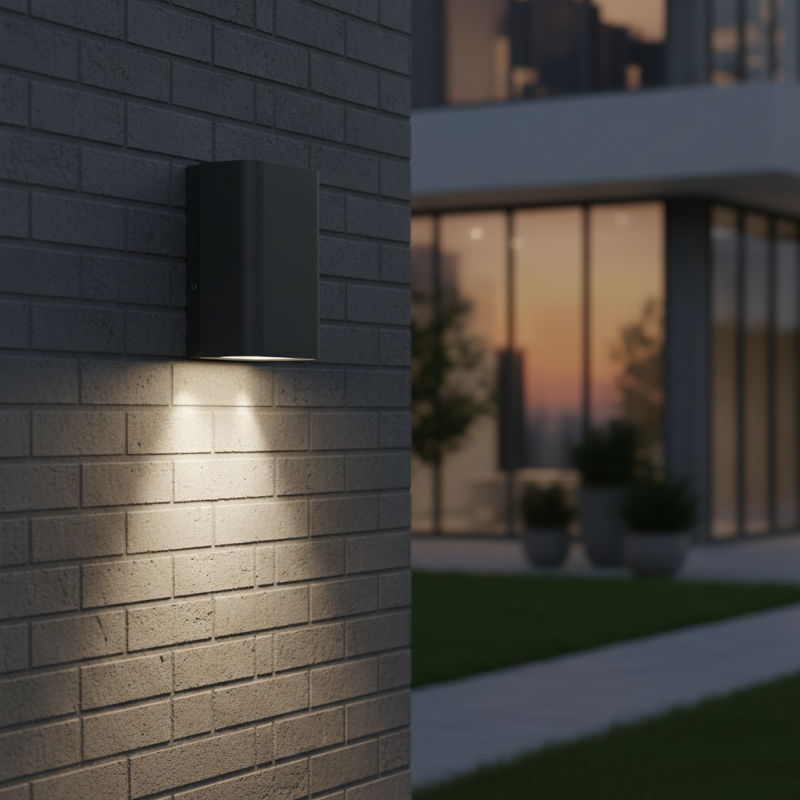
LED wall packs are an efficient lighting solution, designed for outdoor spaces. They come in various types, each serving specific needs. The most common types include full-cutoff, flood, and wall-mounted options. Full-cutoff models prevent light pollution, making them ideal for residential areas. Flood models provide broad illumination, perfect for security purposes.
The benefits of LED wall packs extend beyond energy savings. Their longer lifespan reduces maintenance costs significantly. Many models are also resistant to extreme weather. However, some users might overlook the importance of proper placement. Poor installation can diminish their effectiveness and lead to unexpected shadows. This oversight can impact security and functionality.
Understanding each type of LED wall pack helps make informed choices. It's crucial to assess your specific lighting needs before installation. Consider the environment and application to avoid common pitfalls. Investing time in research can yield improved efficiency and overall satisfaction.
Best LED Wall Packs for Maximum Energy Efficiency
| Type |
Wattage |
Lumen Output |
Efficiency (lm/W) |
Color Temperature (K) |
Lifespan (hours) |
Benefits |
| Wall Pack Standard |
50W |
5500 lm |
110 lm/W |
5000K |
50,000 |
Highly efficient, versatile for outdoor use |
| Wall Pack Dark Sky |
70W |
8400 lm |
120 lm/W |
4000K |
60,000 |
Reduces light pollution, energy efficient |
| LED Flood Wall Pack |
100W |
12000 lm |
120 lm/W |
5000K |
50,000 |
Wide beam angle, excellent for large areas |
| Photocell Wall Pack |
60W |
7200 lm |
120 lm/W |
3000K |
30,000 |
Automatically adjusts lighting based on ambient light |
Key Features to Consider for Energy Efficiency in LED Wall Packs
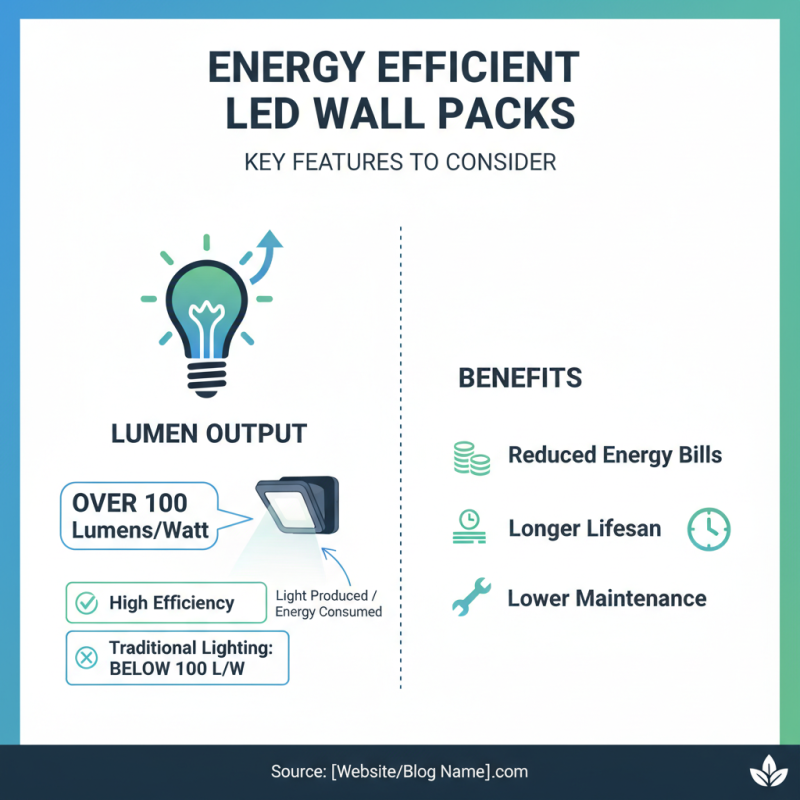
When selecting LED wall packs for energy efficiency, several key features should be evaluated. One of the most significant aspects is the lumen output. High-efficiency wall packs typically deliver over 100 lumens per watt. This metric reflects how much light is produced relative to the energy consumed. In contrast, traditional lighting sources often fall significantly below this standard.
Another important feature is the color temperature. Wall packs in the range of 3000K to 5000K provide optimal visibility while ensuring safety and security. Research from the U.S. Department of Energy indicates that well-lit areas with suitable color temperatures can diminish crime rates. Additionally, look for wall packs equipped with motion sensors. These devices can reduce energy consumption by up to 60% when lights are only active when needed.
**Tip:** Consider the installation height. The placement of the wall pack affects light distribution and energy usage. An incorrect height may result in poor lighting efficiency and wasted energy.
Moreover, check the overall design for heat dissipation. Effective cooling mechanisms can extend the lifespan of the LED system, maintaining efficiency. Since LED technology can experience performance drops over time, investing in well-reviewed products is essential. Ensuring that the product meets Energy Star ratings can also guide you toward reliable, energy-efficient options.
Top Brands and Models for High-Performance LED Wall Packs
LED wall packs have quickly become a popular choice for energy-efficient outdoor lighting. These fixtures provide excellent illumination while significantly reducing energy consumption. Studies indicate that high-quality LED wall packs can achieve energy savings of up to 75% compared to traditional lighting solutions. This can lead to substantial cost reductions over time.
When selecting LED wall packs, look for models that offer durability and versatility. Many top-performing wall packs feature rugged designs suitable for various environments. For instance, the best models often come with advanced thermal management systems. These systems ensure longer lifespans, reducing replacements and maintenance costs. Energy Star-rated options prove to be especially reliable, providing assurance of efficiency and performance.
However, it’s essential to be mindful of potential drawbacks. Some LED wall packs may have a higher initial cost, which can deter some buyers. Additionally, not all fixtures offer the same light quality; variations in color temperature can impact visibility. Reviewing technical specifications and independent testing reports can help in making informed choices. Ultimately, careful analysis will support finding the best LED wall packs suited for specific needs.
Best LED Wall Packs for Maximum Energy Efficiency
Installation Tips for Maximizing Efficiency of LED Wall Packs
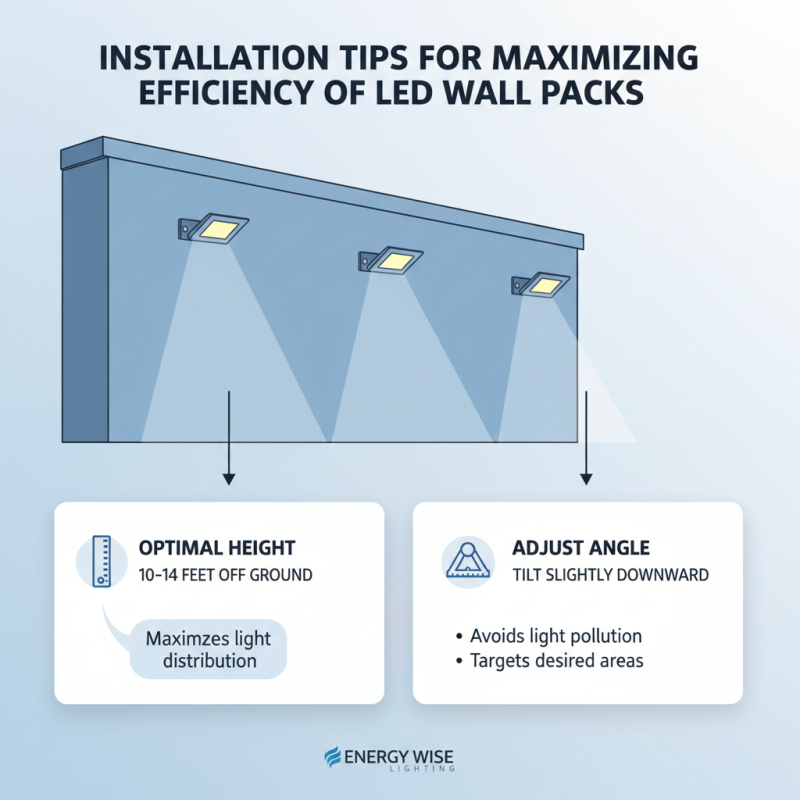
When installing LED wall packs, proper placement is crucial for energy efficiency. Position the fixtures at an optimal height to maximize light distribution. Typically, 10 to 14 feet off the ground works well for most applications. Adjusting the angle is also necessary. Tilt the lights slightly downward to avoid light pollution and ensure illumination targets the desired areas.
Wiring the fixtures with the right gauge is vital. Use a wire that can handle the load without overheating. Inadequate wiring can lead to inefficiency and potential hazards. It’s beneficial to include smart timers or sensors. These devices automatically adjust lighting based on occupancy or natural light, reducing unnecessary energy usage.
Finally, consider the surrounding environment. Dimming the lights through smart controls can enhance energy savings while still providing adequate illumination. Regular maintenance is crucial. Dust and dirt can accumulate, decreasing light output. Annual cleanings help maintain efficiency. Always be open to reassessing your setup to ensure you’re achieving maximum energy savings.
Maintenance Practices to Sustain Energy Efficiency of LED Wall Packs
LED wall packs are renowned for their energy efficiency. However, maintaining their performance is key to sustaining energy savings. Regular cleaning is essential. Dust and dirt can accumulate on the lens, reducing light output. A study from the U.S. Department of Energy shows that clean fixtures can operate up to 15% more efficiently. Simple maintenance boosts not just brightness but also the longevity of the fixtures.
Periodic inspections are also vital. Check for any signs of wear or damage, such as flickering lights or changes in color temperature. Documenting these issues helps in planning timely replacements. According to Energy Star, replacing faulty LEDs promptly can save energy costs by up to 30%. Often overlooked, proper maintenance can significantly extend the life of LED wall packs and enhance their performance.
Lastly, review the installation environment. Factors like temperature and humidity can impact efficiency. Keeping areas well-ventilated and cool aids in optimal functionality. An industry survey indicates that disregarding these environmental factors can lead to a drop in performance by over 20%. It's crucial to adapt maintenance schedules based on specific conditions to ensure maximum energy efficiency.