Best Metal Can Options for Global Buyers in 2026?
As the demand for sustainable packaging grows, the "Metal Can" industry stands at a pivotal junction. Experts emphasize the importance of innovation in this space. John Smith, a renowned packaging expert, stated, "The metal can is not just a container; it is a promise of durability and sustainability." This perspective underscores the value of metal cans in various markets globally.
By 2026, metal cans are projected to play a significant role in consumer choices. The shift towards eco-friendly materials highlights the adaptability and resilience of the metal can sector. Indeed, industries must evaluate their supply chains and consider the long-term benefits of using metal as a packaging solution. However, there are challenges to address, such as recycling rates and production costs.
Global buyers are now more discerning than ever. They seek quality, sustainability, and efficiency in packaging options. Even though metal cans offer exceptional protection and longevity, it's crucial to reflect on potential drawbacks, like weight and energy use during production. These factors may impact purchasing decisions. Ultimately, the right metal can choices will shape the future of sustainable packaging.
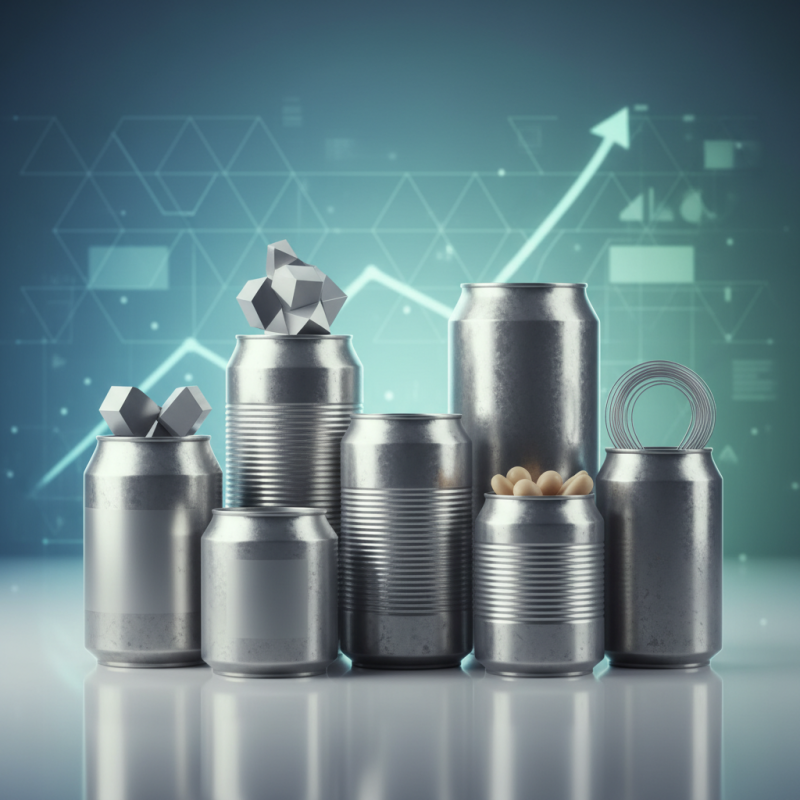
Best Metal Can Options for Global Buyers in 2026
As we look ahead to 2026, metal cans continue to be a top choice for global buyers. Their durability and recyclability make them highly sought after. Consumers are increasingly conscious of sustainability. Metal cans offer an eco-friendly packaging solution that aligns with these values.
Choosing the right metal can requires careful consideration. Buyers should assess the can's size and shape based on product needs. Think about the can's intended audience and usage. For beverages, a sleek design might appeal more to younger consumers. However, for food products, a more robust structure could be essential.
**Tips:** Always evaluate the supplier's credibility. Research their production methods and sustainability practices. Look for certifications that assure quality and environmental responsibility. Engage with customers to gather feedback on their preferences. Understanding market trends helps in making informed decisions. Don’t overlook the power of aesthetics; design plays a vital role.
Overview of Global Metal Can Market Trends and Projections for 2026
The global metal can market is experiencing significant evolution. By 2026, trends suggest an increased focus on sustainability. Consumers demand eco-friendly packaging, impacting manufacturing processes. Metal cans are recyclable, aligning well with these consumer preferences. This will likely drive innovations in recycling technologies. Smart companies are looking into how to improve lifecycle management.
Market projections also indicate a rise in demand for beverage cans. The beverage sector is expanding, pushing for lightweight materials that don’t compromise strength. However, the balance between cost and quality remains a challenge. Some businesses might struggle to adapt to changing material requirements. There is still a need for research on new alloys and coatings.
Moreover, global supply chain issues may affect raw material availability. Companies must prepare for potential delays or constraints. Price fluctuations for these materials are a concern. Dealers and suppliers should establish strategic partnerships. They can offer resilience in an ever-changing market. Attention to these details is crucial for success in 2026.
Key Material Innovations: Aluminum vs. Steel Cans in Packaging
In 2026, the choice between aluminum and steel cans is pivotal for global buyers. Aluminum cans often dominate due to their lightweight and corrosion resistance. According to the Aluminum Association, aluminum cans represent 61% of the beverage can market. This lightweight nature improves shipping efficiency, lowering costs and reducing carbon footprints.
On the other hand, steel cans are known for their strength and durability. A report by the Steel Recycling Institute highlights that they are 100% recyclable and can be recycled indefinitely without loss of quality. This makes steel a robust option for products requiring a longer shelf life. Yet, their weight contributes to higher transportation costs.
Tip: Evaluate the environmental impact of your material choice. Aluminum consumes more energy during production, despite being lightweight. Alternatively, steel, while heavier, offers recyclability benefits. Assessing these factors can aid in making informed decisions.
Consider also consumer perceptions. Some consumers prefer aluminum for its modern aesthetic. However, others favor the traditional feel of steel. Understanding these preferences will help in marketing strategies.
Tip: Engage with your target market. Conduct surveys or focus groups to gather insights. This can help businesses align products with consumer expectations and industry trends.
Environmental Impact: Sustainable Practices in Metal Can Manufacturing
The shift towards sustainable practices in metal can manufacturing has never been more critical. With an increasing number of consumers prioritizing eco-friendly products, manufacturers must adapt. Recycling aluminum, for instance, uses 95% less energy than producing new aluminum. This significantly lowers carbon footprints.
However, challenges remain. Not all recycling systems are efficient. Many cans still end up in landfills. Moreover, the dependence on virgin materials can sometimes outweigh recycling efforts. Transparency in sourcing and material recovery is vital. Companies need to provide data on recycling rates and sustainability efforts.
Moreover, engaging with communities can foster better practices. Educational initiatives can raise awareness about the importance of recycling. When consumers understand their role, participation increases. Collaboration between stakeholders, including governments and NGOs, can improve recycling technologies. Striving for a circular economy requires ongoing reflection and improvement in metal can production methods.
Environmental Impact of Metal Can Manufacturing in 2026
Regional Analysis: Demand for Metal Cans in Emerging Markets
The demand for metal cans is surging, especially in emerging markets. Countries like India and Brazil are witnessing a significant increase in consumer goods packaged in metal cans. This trend is fueled by the growing urban population and rising disposable incomes. Metal cans provide a sustainable and efficient packaging solution, appealing to eco-conscious consumers.
In Asia, the beverage industry is rapidly expanding. Local manufacturers are investing heavily in production capabilities. However, challenges remain. Infrastructure in some regions may not support advanced canning technology. Additionally, supply chain issues can affect availability. A focus on improving logistics is essential for meeting consumer demand.
Africa is another key region. The market is still developing, but there's potential for growth. Many countries are turning to metal cans for food preservation and beverages. Education and awareness about the benefits of metal packaging can drive further adoption. Market players must navigate local regulations and economic factors to succeed in this dynamic landscape.
Conclusion
The article "Best Metal Can Options for Global Buyers in 2026" provides an insightful overview of the evolving global metal can market and its forecasted trends for the coming years. It discusses key material innovations, comparing aluminum and steel cans in their packaging capabilities, highlighting how advancements are influencing market choices. Furthermore, the environmental impact of metal can manufacturing is examined, emphasizing the importance of sustainable practices in the industry.
Additionally, the regional analysis sheds light on the growing demand for metal cans in emerging markets, where economic development is fostering increased packaging needs. The article also addresses consumer preferences, noting a significant shift towards recyclable packaging solutions as environmentally-conscious choices gain importance. Overall, the insights shared reflect a dynamic landscape for metal cans, poised for growth while aligning with sustainability goals.