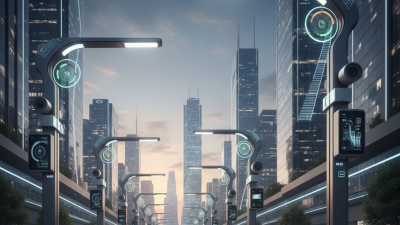
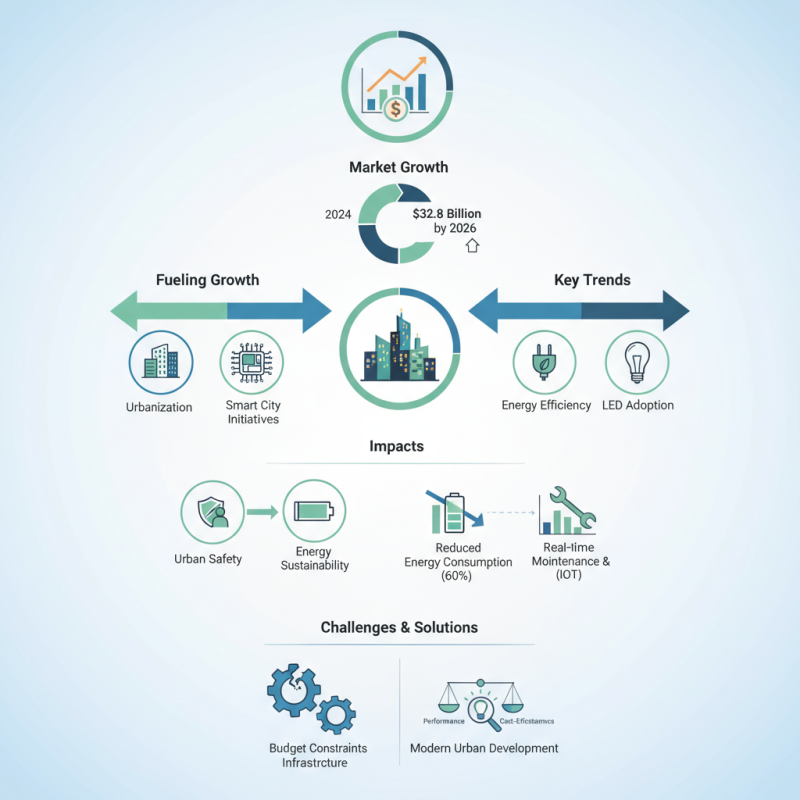
The global street lights market is evolving rapidly. According to recent industry reports, the street lighting sector is projected to reach $32.8 billion by 2026. This growth is fueled by increasing urbanization and rising investments in smart city initiatives. More cities are prioritizing energy efficiency, leading to a surge in LED street lights adoption.
Street lights have become critical for urban safety and energy sustainability. Studies show that smart street lights reduce energy consumption by up to 60%. Moreover, integrating IoT technology enhances real-time monitoring and maintenance. Cities investing in these systems see lower operational costs and improved public safety.
Despite advancements, challenges remain. Some municipalities face budget constraints, delaying upgrades. Others struggle with outdated infrastructure. As we approach 2026, buyers must navigate these complexities while selecting street lights that balance performance and cost-effectiveness. Finding the right solutions will be crucial for modern urban development.
As we approach 2026, the street lights market is evolving rapidly. Smart technologies are becoming standard. They enhance energy efficiency and reduce costs. Cities are investing in LED lights to cut long-term expenses. The integration of sensors is a game-changer. These devices can monitor traffic and adjust lighting based on need.
However, transitioning to new technologies can be challenging. Budget constraints often limit many municipalities. Not all areas have the same access to advanced systems. This creates a disparity in street lighting quality. Local governments should evaluate current infrastructures while planning upgrades.
Tips for decision-makers include exploring financing options for smart systems. Collaborating with technology providers can lead to better results. Consider pilot projects to assess the effectiveness of new lights before full-scale implementation. Engage with the community for feedback on lighting needs. This ensures that investments meet actual demands.
| Type | Average Price (USD) | Lifespan (Years) | Lumens Output | Energy Efficiency (Watt/Watt) |
|---|---|---|---|---|
| LED Street Light | 150 | 15 | 12000 | 0.17 |
| Solar Street Light | 200 | 10 | 8000 | 0.25 |
| Smart Street Light | 300 | 12 | 15000 | 0.15 |
| HPS Street Light | 100 | 5 | 10000 | 0.35 |
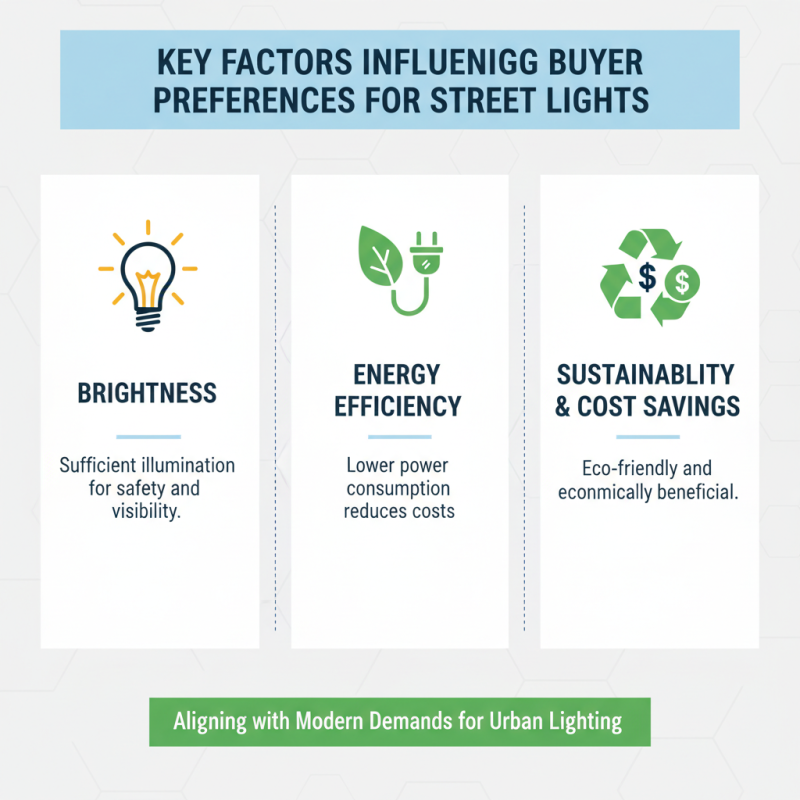
When considering street lights, several key factors influence buyer preferences. Brightness and energy efficiency are crucial. Buyers want lights that provide sufficient illumination while consuming less power. This not only reduces costs but also aligns with sustainability goals.
Durability is another significant factor. Street lights endure harsh weather conditions. Buyers prefer materials that resist corrosion and can withstand extreme temperatures. Longevity saves on replacement costs and ensures consistent performance over time.
Aesthetics also play a role in buyer choices. Urban environments call for lights that blend with the surroundings. Modern designs can enhance public spaces and improve overall community appeal. Buyers increasingly seek styles that reflect local culture or history. This can lead to deeper community engagement and pride.
In the evolution of street lighting, advanced technologies are shaping future solutions. According to a 2023 industry report, smart street lighting can reduce energy consumption by up to 50%. This figure highlights the urgency in adopting efficient technologies globally.
LED systems are now prevalent, offering longevity and energy savings. Recent data indicates that LED street lights can last over 20 years with minimal maintenance. However, many municipalities still depend on outdated lighting, reflecting a gap in technological adoption.
Smart lighting controls are gaining traction. Sensors can adjust brightness based on pedestrian movement. Yet, implementation costs and compatibility issues persist. As cities move toward sustainable development, the integration of these technologies becomes vital in addressing urban challenges.
In 2026, street lighting technology has evolved significantly. Several manufacturers have taken the lead in providing reliable products that meet global standards. Their offerings range from solar-powered lights to smart city solutions. Many of these manufacturers focus on sustainability and energy efficiency. This shift addresses the growing need for environmentally friendly infrastructure.
Leading companies emphasize durability and performance in their designs. The latest street lights often feature integrated sensors. These sensors automatically adjust brightness based on ambient light conditions. However, some products may face challenges with maintenance and installation. Buyers should consider these factors when evaluating options.
Consumer feedback highlights the importance of support services. Some manufacturers offer robust warranties, while others fall short in customer service. It's necessary to reflect on these differences when choosing a supplier. Understanding the specific needs of your community can guide you toward the best solutions. This approach will enhance overall satisfaction with new street lighting systems.
Selecting street lights for urban areas in 2026 emphasizes sustainability and cost-effectiveness. Cities are moving towards energy-efficient solutions that fit tighter budgets and environmental goals. Deploying LED lights can dramatically reduce energy consumption and lower operating costs.
The choice of materials is crucial. Sustainable materials can enhance durability while minimizing ecological impact. Local sourcing of components may also support regional economies. However, some cities face challenges in upgrading aging infrastructure. Balancing costs with the need for modernization is critical.
Another factor is maintenance. While LEDs require less frequent replacements, they still need upkeep. Often, cities overlook this ongoing cost. Planning for future repairs is essential. Striking the right balance between initial investment and long-term savings can be tricky but worthwhile.