Best Three Phase Current Transformer for Global Buyers?
Three phase Current transformers (CTs) are essential in modern electrical systems. They facilitate the measurement and monitoring of electrical currents in various applications. The global market for these devices is projected to grow significantly. According to a recent industry report, demand for three-phase CTs is expected to rise by 7% annually through 2027. This growth reflects their increasing importance in industrial, commercial, and residential sectors.
Selecting the best three-phase current transformer can be challenging. Buyers need to consider factors like accuracy, capacity, and environmental conditions. Different manufacturers offer variations, each with unique specifications. Some models excel in stability and durability, while others prioritize compact design or cost-effectiveness. Understanding these variations is crucial for making an informed decision.
Industry experts emphasize the need for reliable and efficient equipment. Three-phase CTs must meet international standards to ensure safety and performance. Data inconsistencies in measurements can lead to faults in power systems, resulting in losses. As the market evolves, continuous assessment of product quality and supplier credibility becomes vital for global buyers. Making the right choice in three-phase current transformers ultimately supports sustainable energy management and operational efficiency.
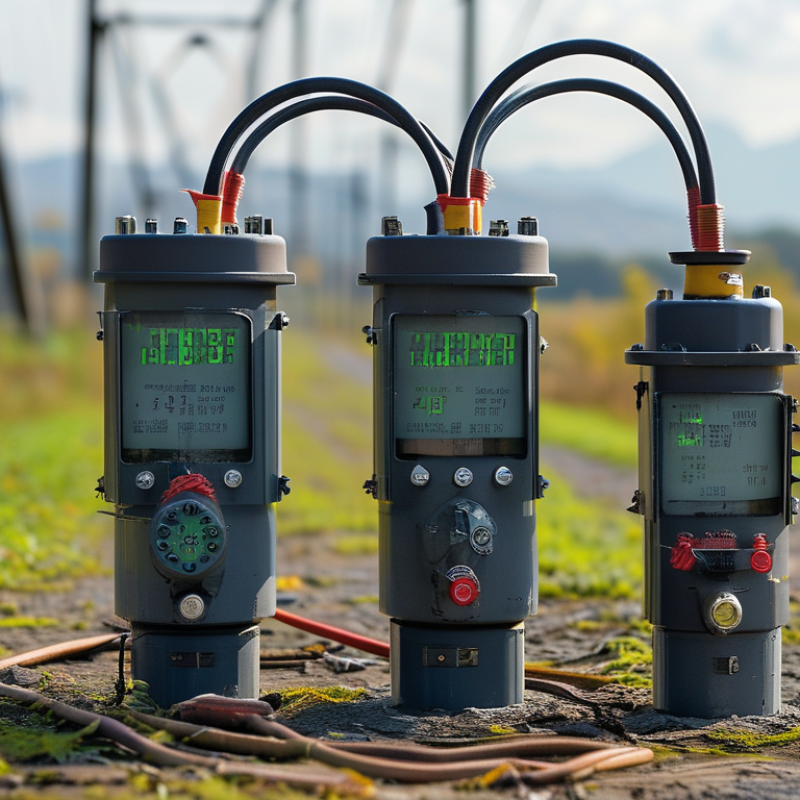
Best Three Phase Current Transformers: Overview of Design and Functionality
Three-phase current transformers play a vital role in electrical systems. These devices measure current in three-phase systems. They are crucial for monitoring and protecting electrical equipment. Understanding their design and functionality can enhance their efficacy in various applications.
The core design of a three-phase current transformer typically includes three separate magnetic circuits. Each circuit corresponds to one phase. This structure enhances accuracy and reduces the likelihood of misreading currents. A well-designed current transformer helps ensure the reliability of the overall power system.
Tips: When selecting a three-phase current transformer, ensure it matches your voltage levels. Inadequate ratings may lead to performance issues. Also, consider the installation environment; factors like temperature and humidity can affect the transformer's performance.
Pay attention to the transformer’s burden rating. An inappropriate burden can result in errors. Additionally, regular testing and maintenance are vital to ensure these devices remain reliable. Frequent checks help identify potential issues early on, preventing costly downtime.
Key Specifications to Consider When Selecting a Three Phase Current Transformer
When selecting a three-phase current transformer, understanding key specifications is crucial. Three-phase systems often require transformers to handle high currents efficiently. A report by Grand View Research indicates that the global market for current transformers is projected to grow at a compound annual growth rate (CAGR) of 5.6% from 2021 to 2028. This growth highlights the need for reliable and efficient devices in various applications.
One critical specification is the accuracy class of the transformer. High accuracy reduces measurement errors, which is vital for applications in power monitoring. Another important factor is the burden rating. It determines how much load the transformer can handle without compromising performance. Transformers with lower profiles are also preferred in tighter spaces without sacrificing functionality.
Another aspect to consider is temperature rating. High temperatures can impact transformer lifespan and reliability. Data from the International Electrotechnical Commission show that higher-rated transformers tend to perform better under extreme conditions. However, sourcing transformers that balance these specifications can be challenging. It's essential to evaluate how each specification aligns with specific operational needs to avoid future complications in performance.
Best Three Phase Current Transformers: Key Specifications Comparison
Top Three Phase Current Transformer Brands and Their Market Performance
When selecting a three-phase current transformer, market performance is essential for global buyers. Leading brands have established themselves through reliability and accuracy. Users trust these products for their ability to handle high currents and complex electrical systems. Their construction often includes durable materials, enhancing longevity in various environments.
In recent years, some brands have faced challenges in maintaining quality control. Reports of inconsistent performance arise from time to time. This inconsistency can lead to missed readings or system failures, resulting in operational disruptions. Buyers are urged to conduct thorough research and rely on user reviews to navigate these market fluctuations.
Another consideration is pricing. While premium models promise advanced features, more economical options can perform adequately for everyday applications. Balancing cost with performance is critical, as investing too much upfront may not yield significant benefits. Practicing caution in purchasing decisions can significantly impact overall satisfaction and efficacy in application settings.
Understanding the Application of Three Phase Current Transformers in Industry
Three phase current transformers (CTs) play a crucial role in industrial applications. They allow for the accurate measurement of current across three-phase electrical systems. This technology ensures the safe and efficient distribution of electrical power. According to data from the International Electrotechnical Commission (IEC), the demand for reliable current measurement has grown by over 15% annually in recent years.
In manufacturing plants, these transformers monitor electrical loads. They provide essential data for system performance analysis. This data is vital for maintaining equipment efficiency. Studies indicate that proper CT usage can reduce energy costs by up to 10%. However, incorrect installation or configuration can lead to inaccurate readings. Regular calibration and maintenance are necessary for optimal performance.
Tips: Always check compatibility when selecting a CT. Ensure it meets your system's voltage and current requirements. Consider using enhanced models equipped with advanced features. These can offer better accuracy and insights into electrical consumption trends. Proper selection and usage can significantly impact your operational efficiency.
Emerging Trends and Innovations in Three Phase Current Transformer Technology
The three-phase current transformer (CT) technology is evolving rapidly. Recent industry reports indicate that the global market for current transformers is expected to reach USD 6.52 billion by 2026, expanding at a CAGR of over 5% from 2021. These figures reflect the increasing reliance on accurate measurement and monitoring in electrical systems. Emerging trends include the shift towards digital CTs, which offer enhanced performance and connectivity.
Digital three-phase CTs provide real-time data analytics. These devices can improve system efficiency and reduce downtime. Alongside, advancements in insulation technology are allowing for better performance in various environmental conditions. However, the transition to these innovative solutions requires careful consideration. Many users still rely on conventional transformers, often due to budget constraints or lack of awareness about new technologies.
Tips: Assess your current setup and identify limitations. Regularly review the latest technologies to understand the benefits they could bring. Don't overlook the importance of periodic training for personnel to harness these innovations effectively. Investing in modern solutions can yield substantial long-term savings and operational benefits.