China Top Wholesale 750ml Glass Liquor Bottles for Global Buyers?
The demand for premium packaging, especially in the liquor industry, is witnessing significant growth. Reports indicate that the global glass packaging market is expected to reach $70 billion by 2027, with liquor bottles playing a vital role. Among these, the **750ml Glass Liquor Bottles Wholesale** market has expanded due to consumer preference for aesthetic and sustainable packaging options.
China is emerging as a leading supplier of 750ml glass liquor bottles. Its advanced manufacturing capabilities and cost-effective production methods attract buyers worldwide. Industry experts estimate that China accounts for over 30% of the global glass bottle supply. This growth reflects the increasing need for uniquely designed and high-quality containers that appeal to consumers.
However, challenges remain. Not all manufacturers meet international safety and quality standards. Buyers must carefully assess potential suppliers to ensure that they adhere to best practices. Sustainable production methods are also becoming a priority, aligning with global trends towards eco-friendly packaging. Navigating these factors is crucial for successful procurement in the 750ml glass liquor bottles wholesale market.
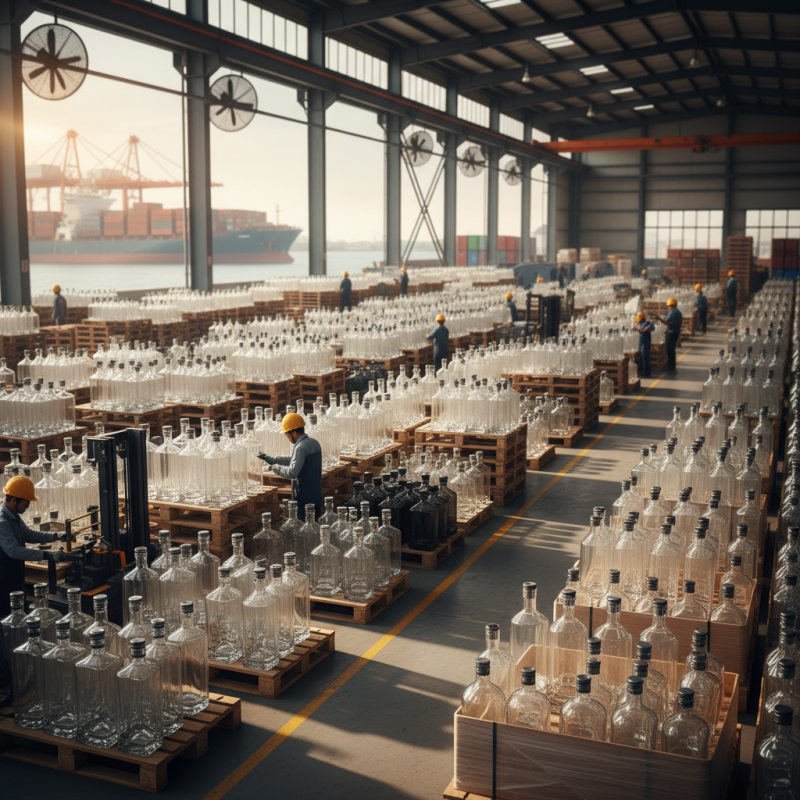
China's Dominance in the Global 750ml Glass Liquor Bottle Market
China has established itself as a leader in the global market for 750ml glass liquor bottles. Its manufacturing capabilities have expanded rapidly over the past decade. This growth is driven by increased demand from international markets. China’s factories offer competitive pricing and superior production efficiency.
The range of designs available is impressive. Manufacturers can customize bottles to meet specific buyer requirements. These options cater to various aesthetic and functional needs. However, quality control can vary significantly between producers. Buyers must be diligent in selecting reliable partners to ensure product consistency.
Sustainability is becoming increasingly important in this sector. China has begun to focus on eco-friendly production practices. This shift reflects a growing awareness of environmental issues. However, challenges remain in balancing cost and sustainability. Companies may find this a tough line to walk.
Key Manufacturing Processes of 750ml Glass Liquor Bottles in China
China is a major player in the glass liquor bottle manufacturing market, particularly for 750ml sizes. The production process is detailed and requires close attention to quality. Key steps include melting raw materials and forming the glass into bottles. Studies indicate that approximately 80% of glass bottles produced in China meet international quality standards.
The quality of raw materials directly influences the final product. In 2022, nearly 3 million tons of glass were produced in China, with a significant portion allocated to liquor bottles. This volume reflects a growing demand for distinctive and high-quality packaging among global buyers. However, challenges remain. Environmental regulations impose stricter standards on emissions, compelling manufacturers to adapt. Innovative techniques are being developed, yet some processes still rely on traditional methods.
Transparency in the supply chain is becoming critical. Buyers are increasingly favoring suppliers who practice ethical manufacturing techniques. An estimated 65% of buyers prioritize sustainability in their sourcing decisions. While advances are made, the industry grapples with balancing cost and quality. Continuous improvement is essential for maintaining competitiveness in the global market.
Production Volume of 750ml Glass Liquor Bottles in China (2023)
This bar chart illustrates the estimated production volume of 750ml glass liquor bottles in various regions of China for the year 2023. The data reflects the output in thousands of bottles, highlighting the capacity of key manufacturing areas.
Market Trends: Increasing Demand for Customizable Glass Liquor Bottles
The demand for customizable glass liquor bottles is witnessing a significant surge globally. As consumers increasingly seek unique and personalized products, manufacturers are adapting to these preferences. According to a report by Research and Markets, the global glass packaging market is projected to reach approximately $50 billion by 2027, with spirits packaging being a crucial segment.
Customization is not just a trend; it reflects changing consumer sentiments. A survey by Grand View Research found that about 70% of consumers prefer customized designs. This shift is encouraging producers to innovate with shapes, colors, and labeling options. Customization enhances brand identity and allows for better consumer connection. However, achieving the right balance between aesthetics and functionality can be challenging. Some manufacturers are grappling with production costs, which can impact pricing strategies.
Additionally, sustainability concerns are shaping industry practices. The shift towards eco-friendly materials is crucial. A study from the Glass Packaging Institute highlights that glass is 100% recyclable, which appeals to environmentally conscious consumers. Yet, while glass offers many benefits, some still question its durability and weight compared to plastics. Addressing these concerns will be critical for manufacturers aiming to capture this evolving market.
Sustainability in Glass Bottle Production: Innovations and Statistics
Sustainability is becoming essential in glass bottle production. Recent studies show that the glass industry has made strides in reducing environmental impact. According to the Glass Packaging Institute, glass recycling rates reached nearly 34% in 2020. However, the industry still faces challenges, including energy consumption during production.
Innovations are crucial for advancing sustainability. Some manufacturers now use recycled glass materials, known as cullet, to reduce energy usage. Cullet can lower melting temperatures by about 50%. This can significantly decrease carbon emissions in production. The eco-efficiency of glass bottles may improve, but more needs to be done.
Transparent data is also important. Global glass production is expected to grow by 4% annually from 2022 to 2025. This surge could pressure resource management and recycling systems. Ensuring a circular economy in glass manufacturing is vital for long-term sustainability. The need for adaptive strategies is apparent. Industry leaders must continuously seek ways to enhance practices.
Impact of International Trade Policies on Chinese Glass Liquor Exports
International trade policies significantly influence the export landscape for Chinese glass liquor bottles. Recent data from the International Trade Centre indicates that China holds a 30% share of the global glass bottle market. This position faces challenges from changing tariffs and trade agreements. For instance, the U.S. has imposed stricter tariffs on glass goods, affecting import costs and supply chain dynamics.
The European Union is another critical player. New regulations surrounding environmental standards increase compliance costs. Reports suggest that these changes could lead to a 15% increase in production expenses for Chinese manufacturers. Exporters must adapt to maintain competitiveness. Smaller businesses often struggle with these shifts due to limited resources.
Understanding these complexities is vital for stakeholders. A report by the Asian Development Bank points out that adaptability is essential for sustaining growth in this sector. Continued shifts in trade policies compel companies to innovate continuously. This creates opportunities for more sustainable production methods but may also expose weaknesses in existing supply chains. Effective management is required to navigate this evolving landscape.
China Top Wholesale 750ml Glass Liquor Bottles for Global Buyers
| Country | Export Volume (in Million Units) | Average Price per Bottle (USD) | Year-on-Year Growth (%) | Impact of Trade Policies |
| USA | 5.2 | 3.5 | 8.2 | Minimal Impact |
| Germany | 3.8 | 4.0 | 5.5 | Moderate Impact |
| UK | 4.1 | 3.8 | 6.0 | Significant Impact |
| Japan | 2.5 | 4.5 | 3.2 | Minimal Impact |
| Australia | 2.9 | 4.2 | 7.0 | Moderate Impact |