Why Choose LED Panel Lights for Your Home Lighting Needs?
In recent years, home lighting has undergone a significant transformation. Many homeowners are now turning to LED panel lights for their illumination needs. These lights are not just energy-efficient; they offer a sleek, modern design that fits seamlessly into any interior. Dr. Emily Carter, a lighting specialist at BrightLight Technologies, emphasizes, “LED panel lights provide a perfect blend of efficiency and aesthetics.”
The benefits of LED panel lights are numerous. They consume less energy compared to traditional lighting, which can lead to lower electricity bills. Moreover, their long lifespan means less frequent replacements, reducing waste and maintenance efforts. Many users find that LED panel lights create a brighter, more inviting atmosphere in their homes. However, not all brands deliver the same quality. It is essential to choose reliable products from trusted manufacturers to avoid potential issues.
While LED panel lights have many advantages, some consumers still face challenges. For instance, choosing the right color temperature can be confusing. Additionally, installation might require professional help, which adds to the overall cost. Despite these considerations, switching to LED panel lights is a choice that aligns with modern sustainability goals, making it a popular option for many homeowners.
Benefits of LED Panel Lights for Home Use
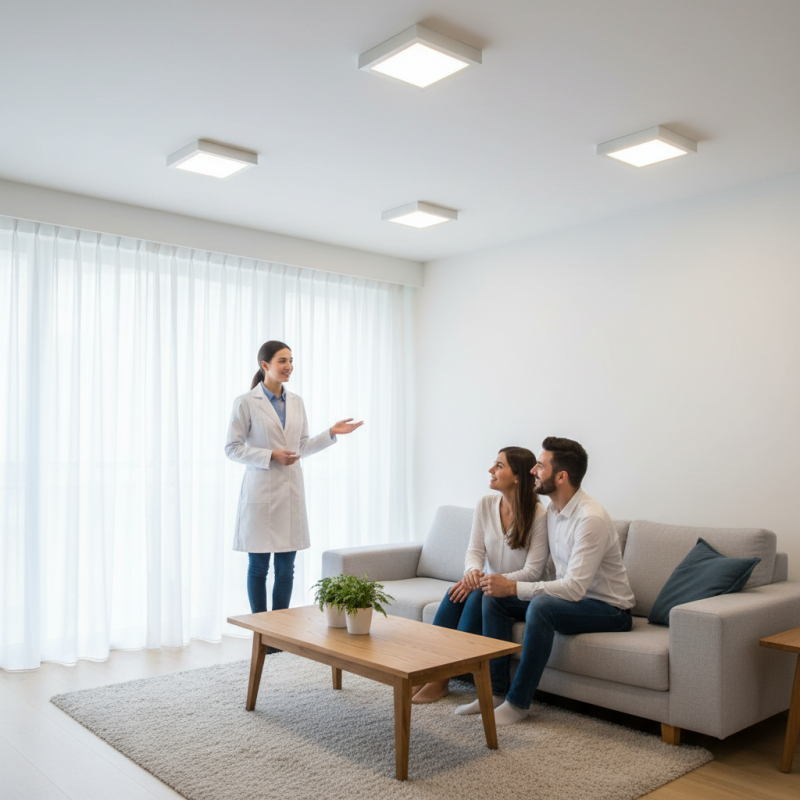
LED panel lights have gained popularity in home lighting due to their numerous benefits. Research from the U.S. Department of Energy shows that LED lights use at least 75% less energy than incandescent lighting. This energy efficiency translates into significant savings on electricity bills. Furthermore, LED panel lights have a lifespan of approximately 25,000 hours, which is much longer than traditional bulbs.
One major advantage of LED panel lights is their versatility. They come in various sizes and designs, making them suitable for different spaces. Whether in a kitchen, living room, or office, these lights can enhance the aesthetics of any room. They provide a uniform light distribution, reducing the need for multiple fixtures and minimizing shadows. This feature is especially useful for tasks that require focused light.
However, there are considerations to keep in mind. Some users report difficulties with installation. Depending on the ceiling type, additional fixtures or supports may be required. This can lead to added costs and time spent on setup. Additionally, while LED panel lights are energy-efficient, their initial cost can be higher than traditional options. Buyers should weigh these factors carefully before choosing LED panel lights for their homes.
Benefits of LED Panel Lights for Home Use
Energy Efficiency and Cost Savings of LED Panel Lights
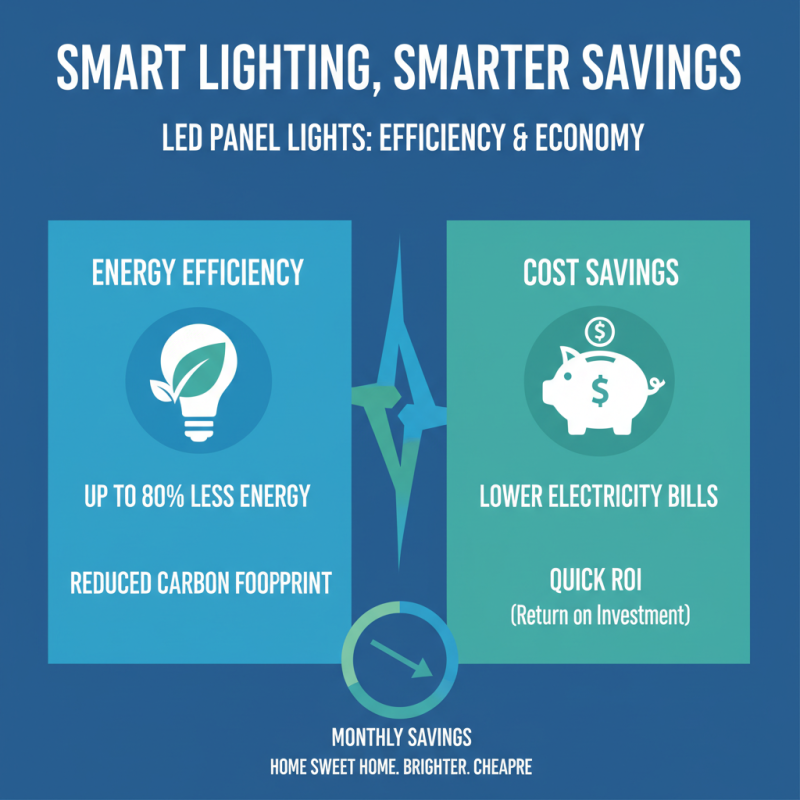
LED panel lights have become a popular choice in home lighting. One of the most significant advantages is their energy efficiency. These lights use less electricity compared to traditional bulbs. This reduction in energy usage can lead to noticeable savings on your monthly energy bills. Many homes experience a substantial decrease in costs within the first few months of switching to LED.
Moreover, LED panel lights have a longer lifespan. They typically last up to 25,000 hours or more, which means fewer replacements. This longevity adds to the overall cost-effectiveness. Homeowners can invest less in lighting replacements over time, ultimately leading to lower expenses. However, some may overlook the initial cost of purchasing these lights, which is often higher than conventional options. It's essential to weigh long-term savings against upfront investments.
Beyond energy savings, LED panel lights also provide better quality illumination. They offer bright, even lighting, enhancing your home's aesthetic. While they are becoming increasingly common, some may find the transition daunting. Adjusting to LED technology can take time, yet the benefits are worth the effort. It's crucial to recognize that investing in LED panel lights is not merely about energy savings but also about improving your living environment.
Aesthetic Appeal: Modern Designs of LED Panel Lights
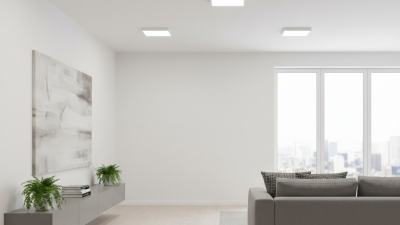
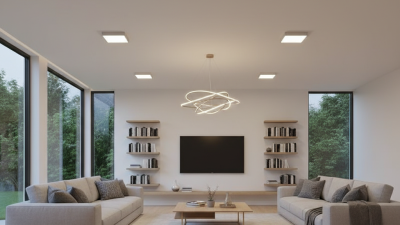
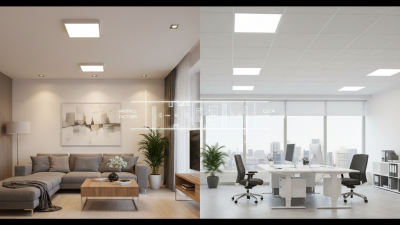
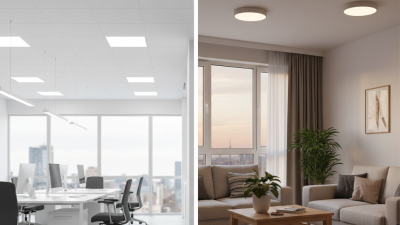
LED panel lights are becoming a popular choice for home illumination, thanks to their modern designs. These lights offer a sleek, minimalist look that complements various interior styles. With their slim profiles, LED panels fit seamlessly into ceilings, enhancing the aesthetics of any room. This integration creates a polished and contemporary atmosphere that traditional fixtures often lack.
The versatile design of LED panel lights allows them to blend with different color schemes and decor elements. They come in various shapes and sizes, making them suitable for living rooms, kitchens, or even offices. Choosing the right lighting can significantly affect the overall ambiance of a space. However, some designs might feel too industrial for cozy settings. It’s essential to find a balance that works for your home’s unique character.
Even though LED technology offers numerous advantages, like energy efficiency, the aesthetic aspect requires careful consideration. Lighting should elevate your space, not detract from it. Some LED panels may emit harsh light, affecting the mood of a room. Testing various options can help you discover the perfect match for your style and needs. This process emphasizes the importance of thoughtful selection in creating your desired home environment.
Why Choose LED Panel Lights for Your Home Lighting Needs? - Aesthetic Appeal: Modern Designs of LED Panel Lights
| Design Style |
Color Temperature (K) |
Material |
Energy Efficiency (W) |
Lifespan (Hours) |
| Slim and Minimalist |
3000K |
Aluminum |
40W |
50,000 |
| Square Edge |
4000K |
Plastic |
36W |
50,000 |
| Round Design |
5000K |
Steel |
30W |
50,000 |
| Edge-Lit Panel |
6500K |
Acrylic |
50W |
50,000 |
Long Lifespan and Durability of LED Panel Lights
LED panel lights are becoming increasingly popular for home lighting. One of their major advantages is their long lifespan. Typically, LED panel lights can last up to 50,000 hours. This means you won’t have to replace them frequently. In comparison, traditional bulbs often burn out within a year. The durability of LED technology also reduces waste and helps the environment.
Moreover, LED panel lights can withstand various conditions. They are less prone to breakage than traditional glass bulbs. This durability is especially crucial in homes with children or pets. However, some users might notice that, over time, the brightness can diminish. This gradual decline is normal, though it may lead to a need for eventual replacement.
Another aspect to consider is energy efficiency. LED lights consume significantly less energy than incandescent or fluorescent lights. Even though they may have a higher initial cost, the savings over time can be substantial. Some people, however, may have difficulty understanding the upfront investment. Seeing the long-term benefits might require an attitude shift. It's essential to weigh the pros and cons carefully before making a decision.
Versatility of LED Panel Lights in Different Spaces
LED panel lights have become a popular choice for various spaces in homes.
Their versatility shines in kitchens, living rooms,
and even home offices. In kitchens, these lights provide bright and even illumination.
Chefs enjoy the clear visibility while preparing meals. In living rooms, the soft glow can create a cozy atmosphere.
Families can gather comfortably under the gentle light.
When it comes to home offices, LED panel lights can be game-changers. They reduce eye strain during long hours of work.
A well-lit workspace can boost productivity and focus.
However, one might struggle with the placement. Too much direct light can cause glare on screens.
Finding the right balance can require some adjustments.
In bedrooms, the right LED lights can enhance relaxation.
Dimmable panels allow for soothing light when winding down. Yet, one may find that the color temperature affects mood.
Some might prefer warmer hues for a calming effect. Experimenting with different settings can lead to a more personalized experience.
The versatility of LED panel lights makes them a fitting choice for almost any room.