Why Choose LED Panel Lights for Your Next Lighting Upgrade?
When considering an upgrade to your lighting system, LED panel lights are a popular choice. These lights offer numerous advantages that can enhance both functionality and aesthetics. With their sleek design and superior efficiency, many people find them appealing. A well-lit environment can improve mood and productivity, making LED panels ideal for offices and homes alike.
LED panel lights are designed to deliver bright, uniform light. They consume less energy, leading to lower electricity bills. Their longevity also means fewer replacements, making them a cost-effective option. However, not all LED panels are created equal. It's essential to choose high-quality products to ensure optimal performance.
While the benefits are clear, there are challenges too. Poor installation can lead to uneven lighting. Additionally, some models may not provide the warmth or ambience desired in residential settings. It's crucial to analyze your space and needs carefully. This way, you can make an informed decision that maximizes the advantages of LED panel technology.
Understanding LED Panel Lights and Their Functionality
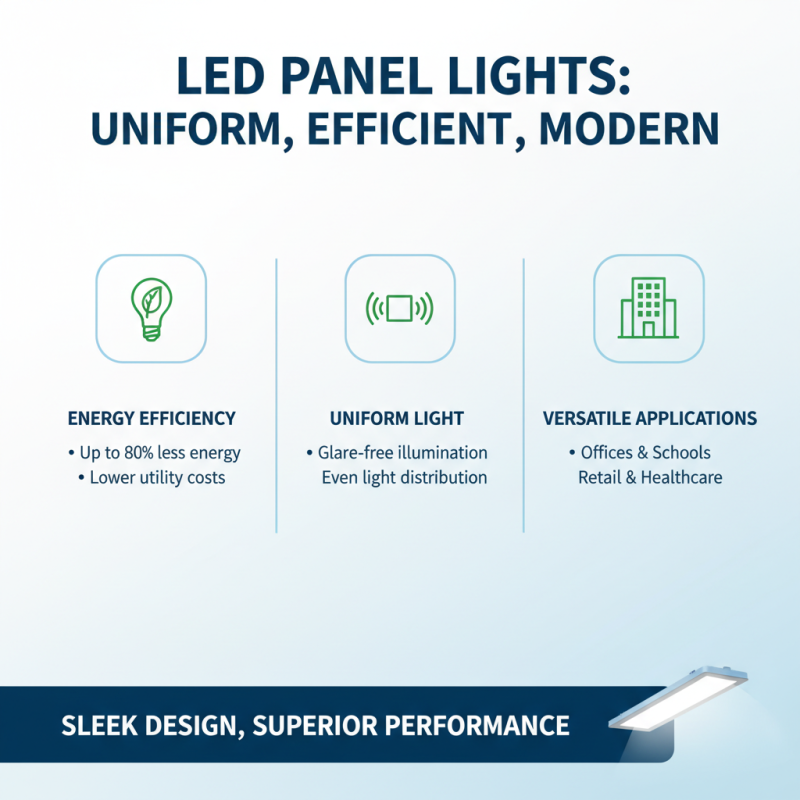
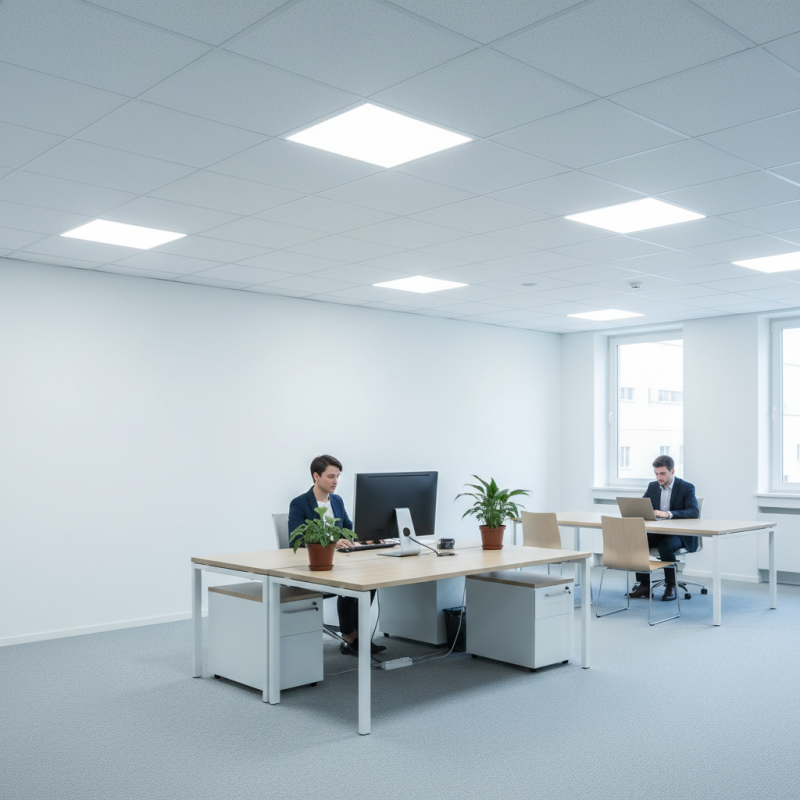
LED panel lights offer a sleek and modern solution for various lighting needs. Understanding their functionality can help users appreciate their benefits. These lights are designed to provide uniform light distribution while utilizing minimal energy. They work by emitting light through a thin panel, ensuring an even glow across the surface. This makes them ideal for offices, schools, and retail spaces.
Tips for effective use: Consider the color temperature of your LED panels. Warmer tones create a cozy feel, while cooler shades enhance focus. Another tip is to think about dimmable options. Dimming can provide flexibility for different environments, adjusting the mood as needed.
Choosing LED panel lights can also bring unexpected challenges. Installation can be tricky, especially in older buildings. Some may not fit standard ceiling grids. Always measure the space beforehand. Additionally, ensure compatibility with existing fixtures or systems. This can save time and frustration when upgrading to LED technology.
Key Benefits of Upgrading to LED Panel Lights
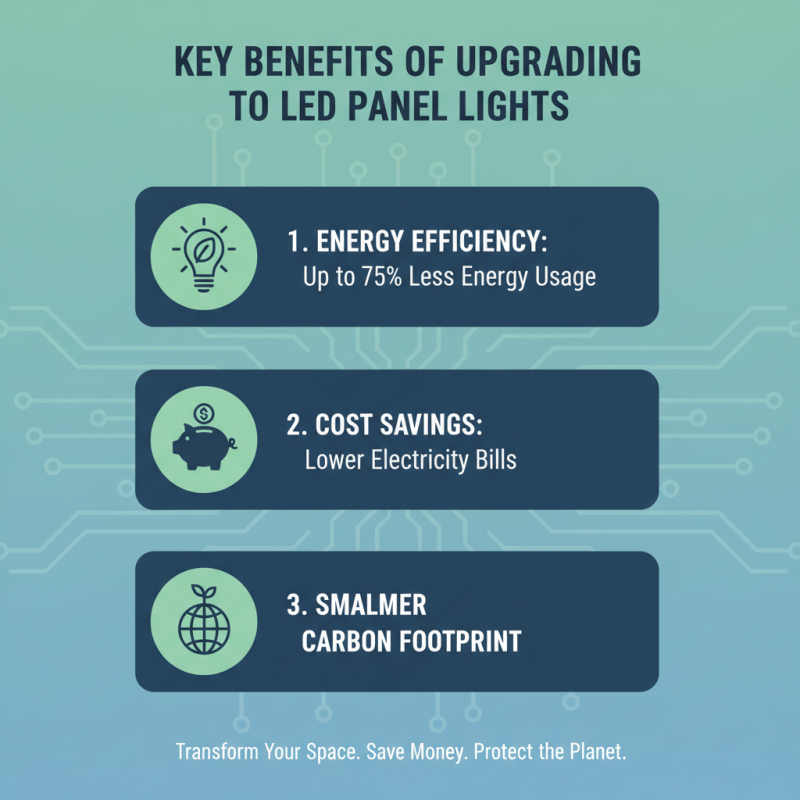
Upgrading to LED panel lights brings significant benefits that can transform any space. These lights are known for their energy efficiency. They use up to 75% less energy than traditional lighting options. This reduction not only lowers electricity bills but also contributes to a smaller carbon footprint. Homeowners and businesses alike see immediate financial benefits.
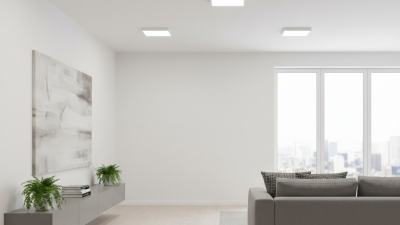
The design of LED panel lights is another appealing feature. They create a clean, modern look that fits well in various settings. The slim profile makes them versatile for installation in ceilings, whether in offices or homes. Furthermore, they offer uniform illumination, eliminating harsh shadows and hotspots. This aspect can enhance comfort and productivity.
However, it's important to consider potential downsides. The initial cost of LED panel lights can be higher than that of conventional bulbs. This may deter some customers. Yet, the long lifespan of LEDs often makes them worth the investment. Users can reflect on their lighting choices to find the best balance of cost and performance.
Energy Efficiency and Long Lifespan of LED Panel Lights
When considering lighting upgrades, LED panel lights stand out. Their energy efficiency and longevity are major benefits. These lights use significantly less energy compared to traditional bulbs. Reports show they can reduce energy costs by up to 75%. This efficiency is due to advanced technology that converts more electrical energy into light.
LED panel lights also have an impressive lifespan. They can last up to 50,000 hours. This means fewer replacements and lower maintenance costs over time. Some people, however, still struggle with the initial investment. While the upfront cost can be higher, the long-term savings are often worth it.
Tip: Consider calculating the total cost of ownership. Include both the purchase price and the energy savings.
In addition to being energy-efficient, they provide bright, even illumination. This makes them great for offices and residential spaces. However, not all LED lights offer the same quality. It’s important to choose ones that meet your specific needs.
Tip: Look for lights with good Color Rendering Index (CRI) for better color accuracy.
Making the switch to LED panel lights can be a no-brainer. Yet, understanding your specific requirements is essential. This can prevent future regrets and ensure optimal performance in your space.
Versatility of LED Panel Lights in Various Environments
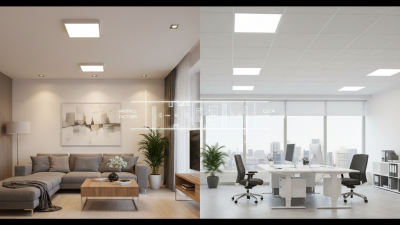
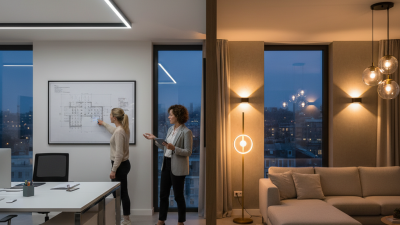
LED panel lights have emerged as a versatile lighting solution suitable for various environments. Their sleek design allows for seamless integration into spaces like offices, schools, and hospitals. They provide uniform light distribution, reducing glare and eye strain. When installed in a workspace, LED panel lights can enhance focus and productivity.
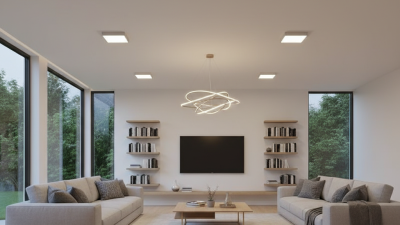
In residential settings, these lights can transform spaces with different color temperatures, creating warm or cool atmospheres. For instance, a kitchen or living room can benefit from bright white light, while bedrooms may prefer softer tones. Despite their advantages, some users may find the installation process challenging. A professional installation can ensure optimal performance and aesthetic appeal.
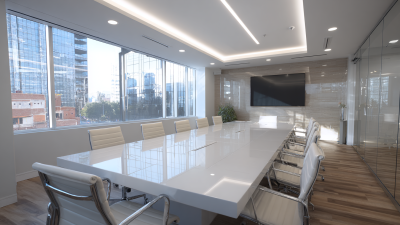
In commercial spaces, LED panel lights are ideal for large areas. They illuminate wide spaces evenly, minimizing shadows. However, it's essential to consider the dimming capabilities. Not all LED panels offer this feature, which could impact ambiance in a restaurant or retail space. Evaluating specific needs helps in making the best choice for effective lighting.
Why Choose LED Panel Lights for Your Next Lighting Upgrade?
The versatility of LED panel lights allows them to be utilized in various environments. The chart below illustrates the percentage distribution of LED panel light usage across different sectors.
Cost-Effectiveness and Return on Investment from LED Panel Lights
When considering a lighting upgrade, LED panel lights stand out for their cost-effectiveness and potential return on investment. These lights consume significantly less energy than traditional options. This leads to lower electricity bills over time. In many cases, businesses see a noticeable reduction in lighting costs within the first year.
LED panel lights also have a long lifespan, often exceeding 50,000 hours. This means fewer replacements and maintenance costs. Imagine not changing a light for years. However, initial purchase prices can be higher. It's essential to weigh this upfront cost against long-term savings.
Moreover, the environmental impact is worth noting. LED lights are designed to be more sustainable. Still, consumers should verify their quality, as the market is saturated with varying options. Not all LED panels are created equal. Research and choose wisely. A well-informed decision can enhance your lighting experience significantly.
Why Choose LED Panel Lights for Your Next Lighting Upgrade?
| Feature |
LED Panel Lights |
Traditional Lights |
| Lifespan |
25,000 - 50,000 hours |
1,000 - 5,000 hours |
| Energy Efficiency |
80-90% more efficient |
Standard efficiency |
| Annual Cost Savings |
Up to $150 per unit |
Varies; generally higher |
| Light Quality |
Brightness and color consistency |
Flickering and dimness issues |
| Environmental Impact |
No harmful chemicals |
Contains hazardous materials |
| Return on Investment (ROI) |
2-3 years |
5-10 years |