Why Choose LED Street Lights for Your City Infrastructure?
As cities evolve, the need for efficient and sustainable lighting solutions becomes increasingly vital. The use of LED street lights is a significant consideration for urban planners. Mark Taylor, an industry expert with over 15 years of experience, emphasizes, "LED street lights can dramatically reduce energy consumption while enhancing safety." This statement highlights the critical role these lights can play in modern city infrastructure.
LED street lights offer numerous benefits, including lower energy costs and longer lifespan compared to traditional options. Their bright and focused illumination improves visibility on roadways and sidewalks. However, the transition to LED lighting is not without challenges. Cities must consider initial installation costs and the need for proper lighting design. Some community members may express concerns about the brightness and color temperature of LED lights. Engaging with residents ensures their needs are met.
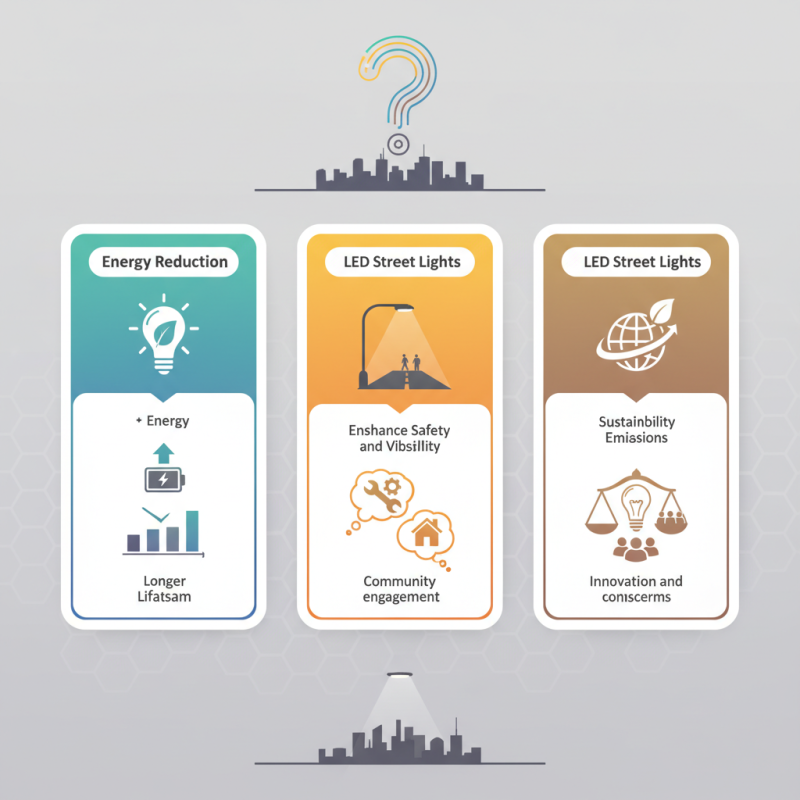
Implementing LED street lights contributes to sustainability goals. They can significantly lower carbon emissions from urban lighting. Cities face the responsibility of balancing innovation with community concerns. This ongoing dialogue is essential. As urban areas continue to grow, the choice of LED street lights emerges as a crucial factor in shaping safe, sustainable environments.
Benefits of LED Street Lights for Urban Environments
LED street lights are becoming a popular choice for urban infrastructure.
Cities are recognizing their numerous benefits. According to the U.S. Department of Energy, LED lights use
up to 75% less energy than traditional street lights. This substantial reduction translates into
lower energy costs for municipalities.
Longer lifespan is another compelling factor. LED street lights can last up to 25,000 hours or more.
In contrast, sodium vapor lights typically last around 10,000 hours. This means fewer replacements and reduced maintenance costs. However, the initial
investment can be higher, leading some cities to hesitate on the transition.
Moreover, LED lights enhance safety. Their bright and consistent illumination improves visibility at night. A study from the Institute of Transportation Engineers
showed a 30% reduction in accidents in areas where LED lighting was implemented. Despite these advantages,
not all urban areas are quick to adopt. Many remain concerned about the upfront costs and the need for public acceptance.
Energy Efficiency and Cost Savings of LED Technology
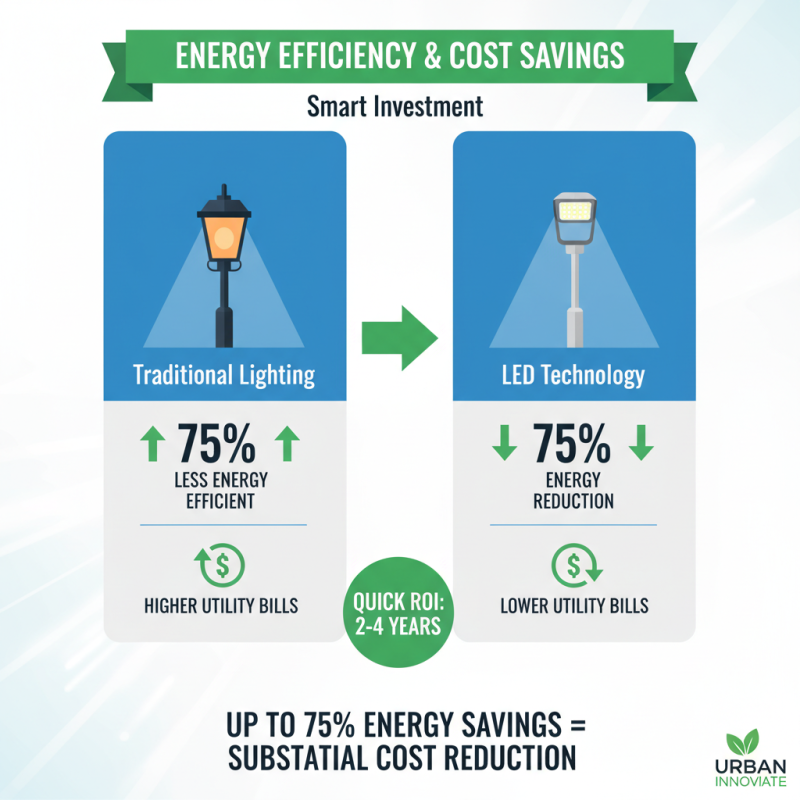
LED street lights have become a pivotal innovation in urban infrastructure. Recent studies reveal that LED technology can reduce energy consumption by up to 75% compared to traditional lighting. This significant energy savings translates into lower utility bills for cities. Reports suggest that municipalities can recoup their investment in LED lights in just a few years due to the drastic reduction in energy costs.
Beyond energy efficiency, LED lights have a much longer lifespan, often lasting 25,000 to 50,000 hours. This reduces maintenance costs significantly. For example, replacing a traditional bulb can cost cities both labor and material expenses. In contrast, LED lights require replacement far less frequently, allowing resources to be allocated to other critical areas.
However, implementing LED technology is not without challenges. Initial investment can be high, and some cities may struggle with budgets. Additionally, the quality of LED lighting varies, which can affect visibility and safety. It’s essential for decision-makers to weigh these factors against long-term savings. Critical evaluation and strategic planning can optimize the transition to LED street lights for urban areas.
Long Lifespan and Durability of LED Street Lighting
LED street lights are rapidly becoming a preferred choice for urban infrastructure. Their long lifespan and durability stand out as significant advantages. These lights can last up to 25 years, reducing the frequency of replacements. This longevity translates to lower maintenance costs for city budgets.
Moreover, LED street lighting is resistant to harsh weather conditions. They can withstand rain, snow, and extreme temperatures better than traditional bulbs. This makes them reliable in various climates. Cities save money and resources over time when using LED technology.
Tips: Regularly inspect LED lights to ensure optimal performance. Even durable solutions can suffer from wear. Keeping street lights clean helps maintain their brightness and efficiency. Additionally, consider installing sensors for smart management. This can further enhance energy savings.
While the initial investment may be higher, the long-term benefits are noteworthy. Cities should weigh both the upfront costs and future savings. LED technology does pose challenges, such as ensuring proper installation. This requires skilled professionals to avert potential issues. Reflection on installation practices will ensure maximum efficiency and performance in the long run.
Impact of LED Street Lights on Public Safety and Visibility
LED street lights are transforming urban landscapes.
They not only enhance visibility but also play a vital role in public safety.
A report by the International Dark-Sky Association highlights that communities equipped with LED street lighting experience a reduction in crime rates by as much as 40%.
Improved visibility deters potential offenders and creates safer environments for pedestrians.
The brightness and clarity of LED lights enhance night-time visibility significantly.
A study from the U.S. Department of Transportation found that LED street lights improve visibility by 20% compared to traditional lighting.
This increased visibility helps drivers and pedestrians detect obstacles and potential hazards sooner. Increased illumination also reduces accidents, making roads safer for all users.
However, the transition to LED lighting is not without challenges. Some citizens express concerns about the harshness of white LED light.
There are debates over light pollution and its effects on local wildlife. It's essential for city planners to balance the benefits of enhanced visibility and safety against these environmental impacts.
Continuous community feedback will help address these concerns while maximizing the advantages of LED street lights.
Environmental Advantages of Choosing LED Over Traditional Lighting
LED street lights present significant environmental advantages over traditional lighting options. One key benefit is their energy efficiency. LEDs consume up to 75% less energy than incandescent bulbs. This reduction leads to lower greenhouse gas emissions. When cities switch to LED lighting, they contribute to a decrease in the carbon footprint. It's a step toward sustainability.
Moreover, LED lights have a longer lifespan. They can last up to 25,000 hours, which means less frequent replacements. Fewer lights mean less waste in landfills. Additionally, LEDs are made from recyclable materials. This aspect enhances their environmental profile.
However, transitioning to LEDs can present challenges. Cities may face higher initial costs. This can deter some municipalities from making the switch.
Despite these challenges, the long-term benefits of LEDs are compelling. By promoting energy conservation, cities can lead by example. They can encourage residents to adopt greener practices as well. The influence of street lighting choices goes beyond illumination. It can shape the community's commitment to sustainability. Cities must carefully consider their lighting infrastructure to make informed decisions.