Why Choose the Right Showcase Lighting Driver for Your Needs?
Choosing the right Showcase Lighting Driver is essential for effective display lighting. The right driver can enhance the visual appeal of your products. It determines how well your lighting performs. A high-quality lighting driver ensures consistency and longevity in your showcase.
Different projects have unique requirements. For instance, retail displays often need bright, vibrant lights to attract customers. In contrast, museums may require softer, more focused illumination to preserve artifacts. This complexity highlights the importance of understanding your specific needs. Reflecting on past experiences can help guide your choices.
Additionally, not every driver on the market meets the desired standards. Some may lack reliability or efficiency. A reliable Showcase Lighting Driver can positively impact your project's overall success. It's crucial to prioritize quality, as poor choices may lead to frustration and increased costs in the long run. Being well-informed empowers you to make the best decision for your lighting needs.
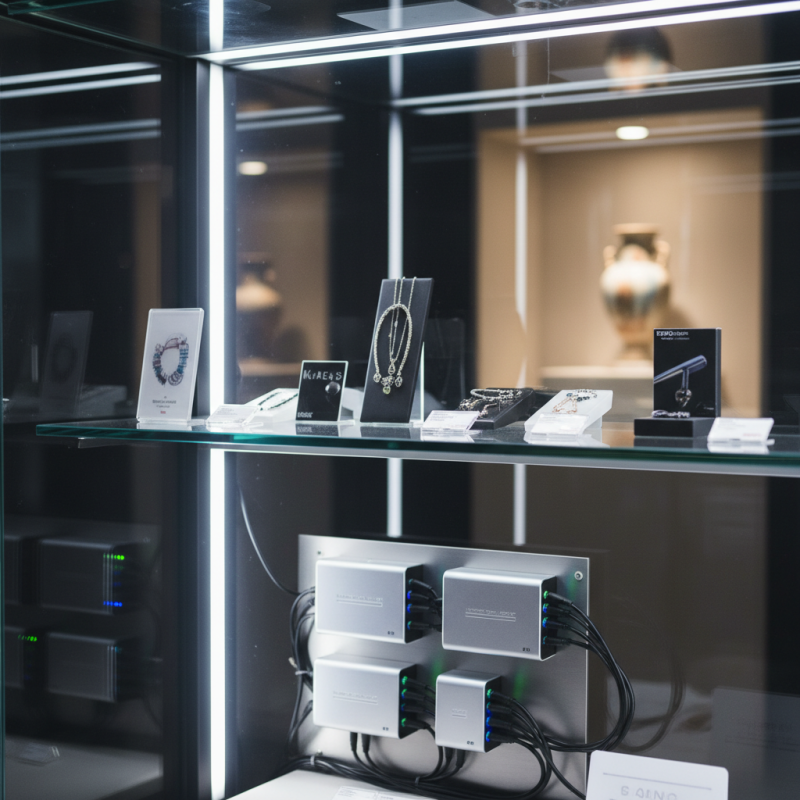
Understanding the Importance of Showcase Lighting Drivers
Showcase lighting drivers play a crucial role in displaying products effectively. They ensure optimal brightness, color accuracy, and energy efficiency. According to a report by the Illuminating Engineering Society, proper lighting can enhance merchandise visibility by up to 75%. This increases customer engagement and potentially boosts sales.
Inappropriate lighting drivers can lead to color distortion and uneven illumination. This may diminish the appeal of a product. A study by the American Lighting Association highlighted that stores using efficient showcase lighting drivers see a 30% reduction in energy costs. However, many retailers overlook the importance of choosing the right driver for their specific needs, resulting in wasted energy and inconsistent displays.
Selecting the appropriate lighting driver involves understanding the voltage, wattage, and compatibility with LED fixtures. Many drivers come with advanced features like dimming and color temperature control. While these features enhance adaptability, they may also complicate the decision-making process. It is essential to balance complexity with usability to avoid future issues.
Factors to Consider When Selecting a Showcase Lighting Driver
When selecting a showcase lighting driver, several factors deserve careful consideration. The type of lighting used plays a crucial role. Each lighting style has specific power requirements. Knowing your LED, halogen, or fluorescent options is essential. It helps ensure the driver will perform efficiently and safely.
Another important factor is dimming capability. Not all drivers support dimming. If mood and ambience are key to your display, this feature might be vital. Also, consider the installation environment. Drivers need to be compatible with the voltage and current of your showcase setting. Miscalculations here can lead to performance issues.
Finally, reliability is paramount. Display lighting often needs to run for extended hours. A less reliable driver could frequently fail, disrupting your presentation. Evaluating the expected lifespan and maintenance needs can prevent future headaches. Remember, while cost may be tempting, investing in quality will pay off long term.
Different Types of Showcase Lighting Drivers Available
When it comes to showcase lighting drivers, choosing the right type is crucial. Different applications require various lighting solutions. The three main types of drivers include constant voltage, constant current, and dimmable drivers. Each type serves a specific purpose, and understanding these can vastly improve your setup.
Constant voltage drivers are commonly used in applications requiring consistent brightness. They typically output 12V or 24V. A report by the U.S. Department of Energy indicates that efficient lighting systems can save up to 50% in energy costs. Constant current drivers, in contrast, are ideal for LED lighting installations, providing a steady current output. This type is particularly useful for high-powered LEDs. According to research from the Lighting Research Center, using the correct driver can enhance LED performance and lifespan significantly.
Dimmable drivers offer flexibility. They allow you to adjust brightness levels, making them perfect for displays requiring different lighting conditions. However, matching the dimmable driver to the dimming protocol is essential. An improper pairing can lead to flickering or reduced dimming range. Aligning the type of driver with your lighting needs is key. Not all drivers are created equally, and errors in selection can lead to poor performance. Understanding specifics can help you choose wisely.
Why Choose the Right Showcase Lighting Driver for Your Needs?
| Driver Type | Wattage | Input Voltage | Output Voltage | Dimming Capability | Efficiency Rating |
| Constant Voltage Driver | 60W | 100-240V AC | 12V DC | No | 85% |
| Constant Current Driver | 30W | 100-240V AC | 700mA | Yes | 90% |
| Dimmable Driver | 75W | 110-277V AC | 24V DC | Yes | 92% |
| CCT Tunable Driver | 40W | 120V AC | 12V DC (Tunable) | Yes | 88% |
How to Match Lighting Drivers with Your Showcase Requirements
Selecting the right lighting driver for your showcase is crucial. It affects not just the look but also the overall presentation of your items. A good match between the lighting driver and your showcase requirements enhances visibility and draws attention. Consider the wattage needed for your setup. More intricate displays may require drivers that can handle higher loads.
Compatibility is another key factor. Different types of bulbs require specific drivers. If you’re using LED lights, ensure your driver can support them efficiently. This choice impacts energy consumption and the lifespan of your lights. It is **disappointing** to have a beautiful showcase that isn’t highlighted properly due to an incompatible driver.
Reflect on the ambiance you want to create. A driver with tunable settings can adapt to different displays. This flexibility is valuable, especially if you change your showcase often. Not every driver will excel in all situations. You might find that some drivers have limitations that require you to adjust your design or layout. Always keep your goals in mind as you make your selection.
Tips for Installation and Maintenance of Showcase Lighting Drivers
Choosing the appropriate showcase lighting driver is vital for optimal performance. When installing your lighting system, consider the driver's compatibility with your chosen fixtures. A report by the Lighting Research Center reveals that improper driver selection can lead to a 20% reduction in energy efficiency. Ensure that your driver can handle the wattage of the lights you plan to use.
Installation requires attention to detail. Make sure all connections are secure. Loose connections can lead to flickering lights or even failure. Also, pay attention to ventilation. Some drivers can overheat, which may shorten their lifespan. Regular inspections are essential for maintaining efficiency. A recent study indicated that regular maintenance could increase the lifespan of lighting drivers by 30%.
Maintenance tips are straightforward yet crucial. Replace any burned-out bulbs promptly to avoid additional strain on the driver. Check for any signs of wear or damage regularly. If you notice issues, addressing them quickly can prevent larger problems later. Understanding these factors will help you maximize the benefits of your showcase lighting system.
Showcase Lighting Driver Efficiency Comparison
This chart represents the efficiency of different showcase lighting drivers. A higher efficiency percentage indicates better energy performance, essential for both cost savings and effectiveness in lighting displays.