How to Choose the Best Industrial LED Lighting Solutions?
In the rapidly evolving world of industrial LED lighting, selecting the right solutions can be daunting. Experts, like John Marshall, a veteran in industrial lighting design, emphasize, "Quality lighting can significantly impact productivity and safety in industrial environments." This statement underscores the importance of informed choices in lighting systems.
Industrial LED lighting not only enhances visibility but also improves energy efficiency. Many companies still struggle to balance brightness, energy costs, and longevity. Creating an effective lighting plan requires understanding specific operational needs. Companies often overlook how poor lighting can affect employee morale and output.
Choosing the right industrial LED lighting solutions is not just about aesthetics. It's about functionality and suitability. With a variety of options available, it's essential to recognize that not every product fits every environment. Critical analysis of potential solutions can foster reliability and effectiveness, guiding businesses toward optimal choices.
Understanding LED Lighting Technology for Industrial Applications
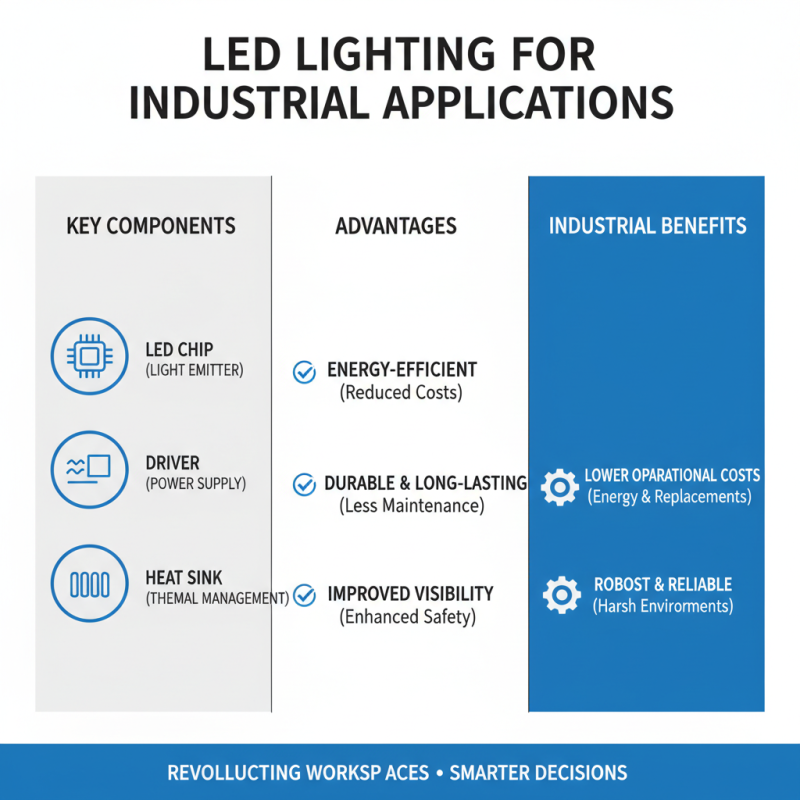
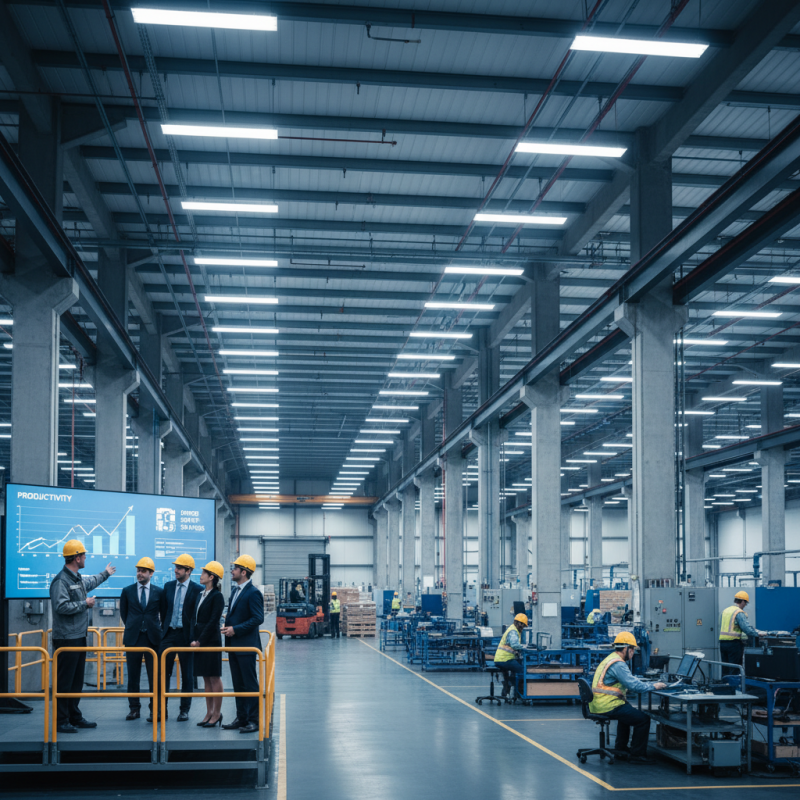
LED lighting technology is revolutionizing industrial applications. Understanding its components enhances decision-making. LED lights are energy-efficient and durable. They reduce operational costs and improve visibility in workspaces. Industrial settings often require robust lighting solutions. LEDs meet these demands effectively.
Heat management is crucial in LED technology. Poor heat dissipation can shorten lifespan. Regular maintenance is necessary to ensure lasting performance. Consider the color temperature of LEDs, as it impacts productivity. Warmer tones can create a cozy environment, while cooler colors enhance focus.
Evaluating the lumen output is essential too. Higher lumens translate to brighter spaces, but over-illumination can lead to glare. Balance is key. Look at the beam angle for optimal light spread. A narrow beam may concentrate light, while a wide beam covers larger areas. Each facility has unique needs. There's no one-size-fits-all solution.
Key Factors to Consider When Choosing Industrial LED Lighting
When selecting industrial LED lighting solutions, several key factors should be considered. Efficiency is paramount. Assess the lumens per watt ratio to ensure optimal brightness. A high efficiency reflects lower energy consumption. This not only reduces costs but also lessens environmental impact.
Cost is another essential factor. Many assume that lower prices mean less quality. However, sometimes a higher upfront cost leads to lower long-term expenses. Evaluate the lifespan of the LED fixtures. Reliable options can last over 50,000 hours. This translates into fewer replacements and reduced maintenance needs.
Tips: Check for energy ratings and warranties. Certifications indicate compliance with safety standards. Look for reviews from other users. Their experiences may reveal unexpected advantages or drawbacks. Don't overlook the importance of light distribution. Poorly designed fixtures can create dark spots, affecting safety and productivity. Reflect on these details to make an informed decision.
Comparison of Key Factors in Industrial LED Lighting Solutions
Comparing Different Types of Industrial LED Lighting Solutions
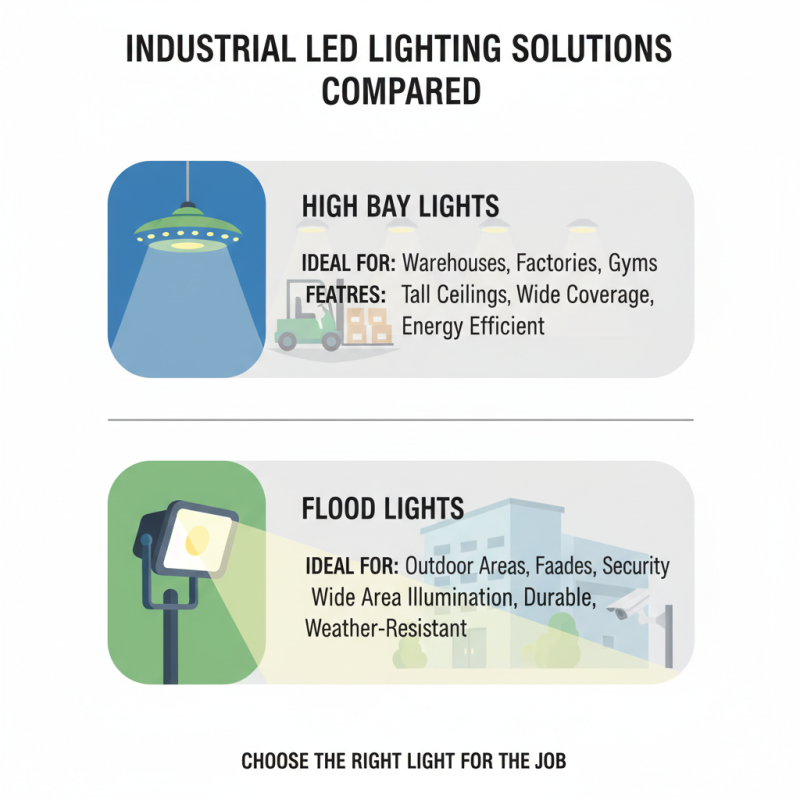
When selecting industrial LED lighting solutions, understanding the various types available is crucial. Different environments require specific lighting. For instance, high bay lights excel in warehouse settings where ceiling heights are considerable, while flood lights are ideal for outdoor applications. Their design focuses on efficiency and coverage, ensuring bright illumination over vast areas.
Another type worth discussing is linear LED lights. These fixtures are perfect for manufacturing areas and assembly lines. They provide uniform lighting, enhancing visibility and safety. However, their effectiveness can lessen if not installed properly. Brightness levels must be assessed to prevent glare and shadows, which can hinder productivity.
Moreover, you might encounter some challenges in choosing the right color temperature. Cooler temperatures are often desired for workspaces, while warmer tones may be better for break areas. Testing the lighting in real conditions can help identify issues. Balancing energy efficiency with output quality is essential but can be tricky. Different types have varied initial costs and long-term savings. Understanding your specific needs will clarify the best choice.
Evaluating Energy Efficiency and Cost Savings in LED Options
When evaluating energy efficiency in LED lighting options, consider lumen output. A high lumen count means more light. However, it’s essential to balance brightness with energy consumption. Some LEDs may seem efficient but do not perform well in real-world applications. Always check energy usage ratings, as misleading claims can lead to higher costs.
Cost savings also hinge on the lifespan of the fixtures. Quality LEDs last longer, reducing replacement frequency. If a light fixture fails early, it can negate savings. Assess warranties and customer reviews. This can provide insights into reliability. Keep an eye out for hidden costs related to installation and maintenance.
It’s worthwhile to run a cost-benefit analysis. Calculate the long-term savings against the initial investment. You may find that cheaper options are not necessarily smarter choices. Mistakes in assumptions can lead to overspending. Reflecting on these aspects can prevent oversights and guide smarter purchasing decisions.
How to Choose the Best Industrial LED Lighting Solutions? - Evaluating Energy Efficiency and Cost Savings in LED Options
| Parameter |
Standard LED |
High-Efficiency LED |
Traditional Lighting |
| Lifespan (hours) |
50,000 |
100,000 |
10,000 |
| Energy Consumption (W) |
15 |
12 |
60 |
| Initial Cost ($) |
25 |
35 |
15 |
| Annual Savings on Energy ($) |
0 |
30 |
0 |
| Payback Period (years) |
0 |
1.17 |
0 |
Assessing Installation and Maintenance Requirements for LED Lighting
When assessing installation requirements for LED lighting, it’s essential to consider the layout of the industrial space. A comprehensive analysis of existing infrastructure is crucial. Many facilities may need structural adjustments to accommodate new fixtures. A report by the Department of Energy indicates that over 30% of installation costs stem from retrofitting older spaces to support modern solutions.
Maintenance is another vital aspect of LED lighting. While LEDs boast a longer lifespan than conventional lamps, they still require periodic checks. Regular cleaning and inspection help maintain optimal performance. A study from the Lighting Research Center highlights that the effectiveness of LED lighting diminishes significantly without adequate maintenance. Businesses must allocate resources for these tasks to prevent costly inefficiencies down the line.
The environmental conditions in which the LEDs operate also impact their longevity and maintenance needs. Extreme temperatures or high humidity can shorten their lifespan. Moreover, choosing the right type of LED lighting for specific tasks is essential. An inappropriate choice may lead to excessive glare or inadequate illumination. Industrial operators must reflect on these factors critically to achieve the best results.