How to Choose the Best Interior PVC Wall Panels for Your Project?
Choosing the right materials for your interior spaces can significantly impact aesthetics and functionality. Among these materials, "Interior Pvc Wall Panels" have gained popularity due to their versatility and durability. Industry reports suggest that the demand for PVC wall panels has surged by over 20% in the last few years, indicating a growing preference for contemporary design solutions.
According to John Smith, an expert in interior design solutions, “The right choice of wall coverings can transform a space entirely.” His insight highlights the importance of making informed decisions in your project. Selecting quality Interior PVC Wall Panels can enhance not only the visual appeal but also the overall sustainability of your design.
While many options exist, it can be overwhelming to choose the perfect ones. It's crucial to consider factors such as texture, color, and environment. Without research, making a choice may lead to regrets later. Analyses show that up to 30% of projects face challenges due to material misalignment with client needs. Thus, a thoughtful approach in selecting Interior PVC Wall Panels is essential for achieving your desired results.
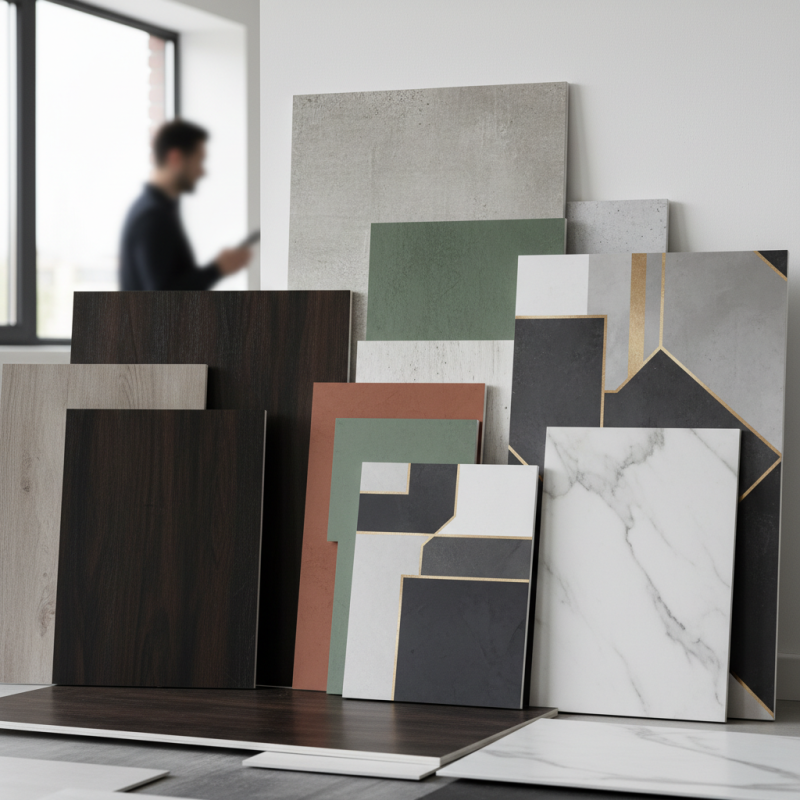
Understanding the Different Types of Interior PVC Wall Panels Available
When selecting interior PVC wall panels, it’s crucial to understand the various types available. Generally, these panels are classified into three main categories: smooth, textured, and decorative. Smooth panels offer a sleek and simple appearance, making them ideal for minimalist designs. They are easy to clean and maintain, which is a significant benefit in high-traffic areas.
Textured panels add depth and interest to a space. They can resemble wood or stone, appealing to those who desire a natural look. However, they may collect dust in the crevices, requiring more maintenance. On the other hand, decorative panels are designed with patterns or colors, allowing for more creative expression. These can transform a room but also run the risk of becoming outdated faster than simpler styles.
It’s essential to evaluate the specific needs of your project when choosing the type of panel. Think about the space's purpose and the overall design vision. Consider factors like durability and maintenance requirements. A thorough assessment can help prevent future regrets about the choices made.
Evaluating the Durability and Longevity of PVC Wall Panels
When evaluating the durability and longevity of PVC wall panels, examining material composition is crucial. Most PVC panels are made from high-quality polyvinyl chloride, providing significant resistance to moisture, stains, and impacts. According to industry reports, PVC panels can last up to 30 years when properly maintained. This longevity makes them a popular choice for both residential and commercial projects.
However, it is essential to consider environmental factors. In areas with high humidity or extreme temperatures, the performance of PVC panels might vary. Some reports suggest that, while PVC is durable, it may become brittle over time if exposed to direct sunlight without proper protective coatings. This emphasizes the need for installation in suitable environments to maximize their lifespan.
Moreover, while PVC panels are low-maintenance, they are not immune to wear. Regular cleaning is essential to maintain their appearance and functionality. Neglecting this can lead to discoloration or surface damage, which may detract from their longevity. Being mindful of these aspects can help ensure that your investment in PVC wall panels pays off in the long run.
Assessing Aesthetic Options: Colors, Patterns, and Finishes for Projects
Choosing the right aesthetic options for PVC wall panels can significantly enhance your interior design. Color plays a crucial role. Neutral shades can create a calming effect, while bold colors add vibrancy. According to recent industry reports, about 73% of interior designers prefer soft shades for residential spaces, indicating a trend toward minimalism and tranquility.
Patterns also contribute to the overall ambiance. Textured panels, such as wood-grain or stone finishes, offer depth and visual interest. Data shows that textured surfaces are highly sought after, with 68% of homeowners valuing unique designs. These options reflect personal style and elevate a space's look.
Finishes matter too. Glossy panels can make areas appear larger and more modern. Conversely, matte finishes bring warmth and elegance. However, overusing high-gloss finishes can lead to glare issues, requiring careful consideration. Balancing aesthetic appeal and functionality is essential for a successful project. Remember to evaluate how these choices align with your project's goals and context.
Cost Analysis: Budgeting for Quality PVC Wall Panels in Your Project
When considering PVC wall panels for your project, budgeting is crucial. Quality comes at a cost, and knowing your budget helps you make informed decisions. A basic panel may save money upfront but might not deliver durability or aesthetic appeal. High-quality panels can elevate your space and last longer, proving more cost-effective over time.
Tips: Research materials before purchasing. Higher gauges often indicate better insulation and longevity. Evaluate installation costs as they vary greatly and can impact the total budget. Consider maintenance costs as well; some panels require more care, which adds to overall expenses.
Don't overlook the value of design and functionality. A panel that fits your style but breaks down quickly isn't a smart investment. Compare various suppliers and ask for samples. Not all manufacturers follow the same standards. Seek panels with good reviews and long warranties for peace of mind.
Installation Considerations: Professional vs. DIY Approaches to PVC Panels
Choosing to install PVC wall panels can be exciting. However, deciding between professional installation and a DIY approach is crucial. Both options have advantages and challenges. Industry reports suggest that nearly 70% of homeowners lean towards DIY installations to save on costs. Yet, achieving a flawless finish often requires professional expertise.
When opting for a professional, consider their experience. They are likely aware of localized building codes and best practices. Hiring experts can result in better quality and faster installation times. A report from HomeAdvisor indicates that homeowners may recoup 85% of their investment in quality installations. On the flip side, DIY projects allow for greater creativity and customization, which is appealing to many.
Tips: For DIYers, precision is critical. Always measure your walls accurately before cutting. Use proper tools to avoid errors. A common mistake is misaligning panels, which can lead to costly adjustments later. Don’t rush the process; take your time to ensure a well-finished look. Remember, if the project feels overwhelming, returning to professional help is always an option.