How to Choose the Best LED Street Light for Your Needs?
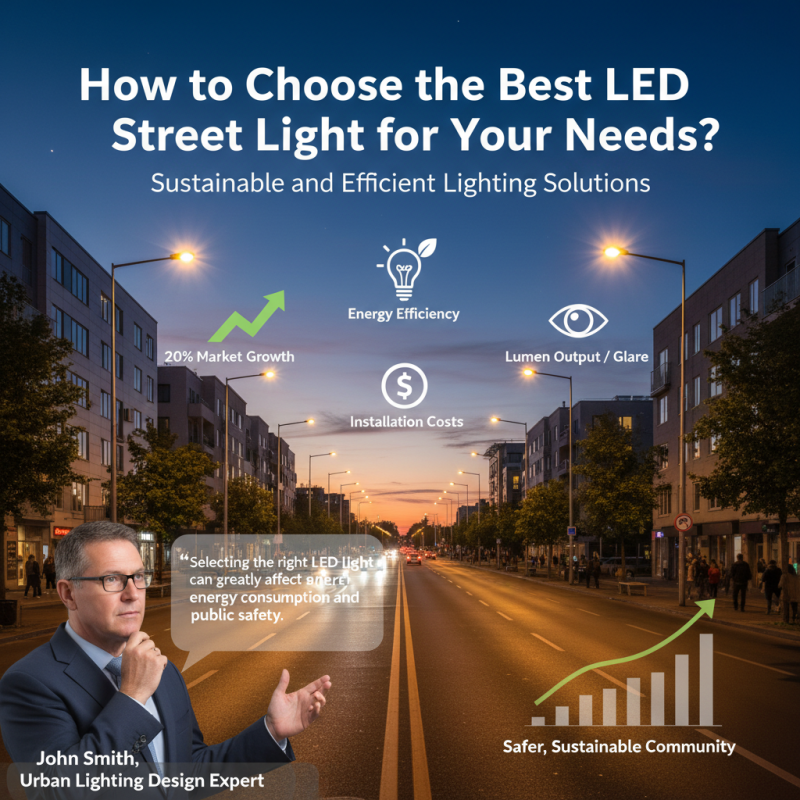
Choosing the best LED street light can be daunting, given the diverse range of products available. According to a report by the Global Lighting Association, the market for LED street lights is expected to grow at a compound annual growth rate of 20% over the next five years. This is not just a trend; it’s a shift towards sustainable and efficient lighting solutions.
Expert John Smith, a leader in urban lighting design, emphasizes, "Selecting the right LED street light can greatly affect energy consumption and public safety." This highlights the importance of understanding your specific needs. Factors like lumen output, energy efficiency, and installation costs are critical to consider.
While many options seem appealing, not every LED street light is suitable for every environment. Overly bright lights may cause glare, while underpowered models might not provide adequate illumination. It’s essential to balance brightness with energy efficiency and longevity. Thoughtful selection will ultimately contribute to a safer and more sustainable community.
Understanding Different Types of LED Street Lights and Their Applications
When choosing LED street lights, it's essential to understand the various types available. Different environments need different solutions. For instance, solar-powered street lights excel in remote areas lacking electrical infrastructure. They reduce energy costs but may depend on sunlight. In urban settings, fixtures with high lumen output provide bright illumination, enhancing safety. But too much brightness can create light pollution.
Next, consider the materials used in construction. Aluminum models are lightweight and durable, while those with polycarbonate lenses resist impact. This is crucial in areas prone to vandalism. Don't overlook the color temperature of the lights. Warmer tones may reduce glare and create a welcoming atmosphere. However, it can also make the area feel less secure at night.
Lastly, advanced features like motion sensors can improve efficiency. They save energy by dimming when areas are unoccupied. Yet, they require proper installation and calibration. Users may face challenges with unexpected maintenance issues. Reflecting on these factors ensures a well-informed decision tailored to specific needs.
Key Specifications to Consider: Lumen Output, Wattage, and Efficiency
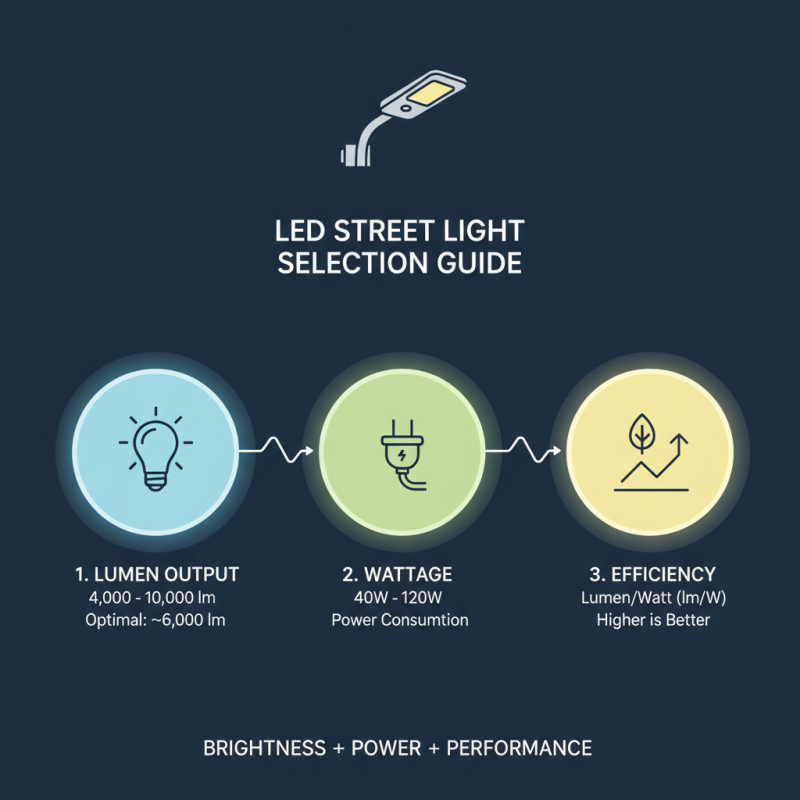
When selecting an LED street light, three key specifications stand out: lumen output, wattage, and efficiency. Lumen output measures brightness. A standard LED street light typically provides between 4,000 to 10,000 lumens. A smart choice might be around 6,000 lumens for optimal street visibility. Importantly, higher lumens don’t always mean better. It's crucial to match the lumen output to the specific area being lit.
Wattage is another consideration. Generally, the wattage for LED street lights varies from 30W to 150W. For instance, a 100W LED might replace a traditional 250W fixture. Efficiency plays a vital role here. Many modern LEDs boast efficacy ratings of 100 lumens per watt or more. This means they provide ample light without consuming excessive energy.
Tips: Assess current fixtures before upgrading. Measure the current light output to find a suitable replacement. Also, consider the color temperature. A rating of 4000K to 5000K usually mimics daylight, improving visibility. Reflect on the energy savings too. Many municipalities report cuts in electricity costs by up to 50% post LED upgrades. Always think critically about your lighting needs and do comparative evaluations.
Evaluating Color Temperature: Choosing the Right Light Quality for Safety
When evaluating color temperature for LED street lights, safety is a crucial factor. The color temperature is measured in Kelvin (K) and affects visibility. Warm light (3000K) is often perceived as inviting, while cooler light (above 4000K) enhances clarity. According to a report from the International Commission on Illumination, cooler color temperatures can help reduce accidents in urban areas. Areas illuminated with 5000K light can improve the reaction time of pedestrians and drivers, promoting safer environments.
However, there are trade-offs. Too much blue light can lead to glare and discomfort. The Journal of Applied Psychology found that excessive cool light can distract drivers and negatively impact night vision. This balance is vital when choosing the right street light. Additionally, some studies suggest a strong preference for warmer tones in residential areas to create a more calming atmosphere.
Landscapes and surroundings also matter. A too-cool light might wash out details in a grassy park. Observations show that a blend of temperatures often works best. While prioritizing safety, it’s essential to consider the local community's needs, preferences, and specific conditions. Continuous feedback from residents can help refine these choices further.
The Importance of IP Ratings and Durability in Outdoor Lighting Solutions
When selecting an LED street light, understanding the importance of IP ratings is crucial. IP ratings indicate the degree of protection against dust and moisture. For outdoor use, look for lights with an IP rating of at least IP65. This rating ensures that the fixture is dust-tight and can withstand water jets, making it suitable for harsh weather.
Durability is another key factor. Materials like aluminum and tempered glass can significantly enhance the lifespan of your lighting solution. A durable design can resist impacts and corrosion. It’s vital to choose lights that can endure environmental stress. However, some cheaper options may not hold up over time, leading to frequent replacements. This reflects a need for careful consideration when making choices.
Assessing local climate conditions can guide your decision-making. Consider exposure to extreme temperatures or high humidity. Each outdoor environment presents unique challenges. If not thoroughly evaluated, you may find your lighting solution fails to perform as expected. The interplay between IP ratings and durability ultimately shapes the efficiency of outdoor lighting. Choose wisely for long-lasting, reliable performance.
LED Street Light Durability Analysis
This chart compares the durability of various LED street lights based on their IP ratings and expected lifespan. An IP rating reflects the light's resistance to dust and water, while lifespan indicates how long the light is expected to function effectively.
Cost-Benefit Analysis: Initial Investment vs. Long-Term Savings with LED Lights
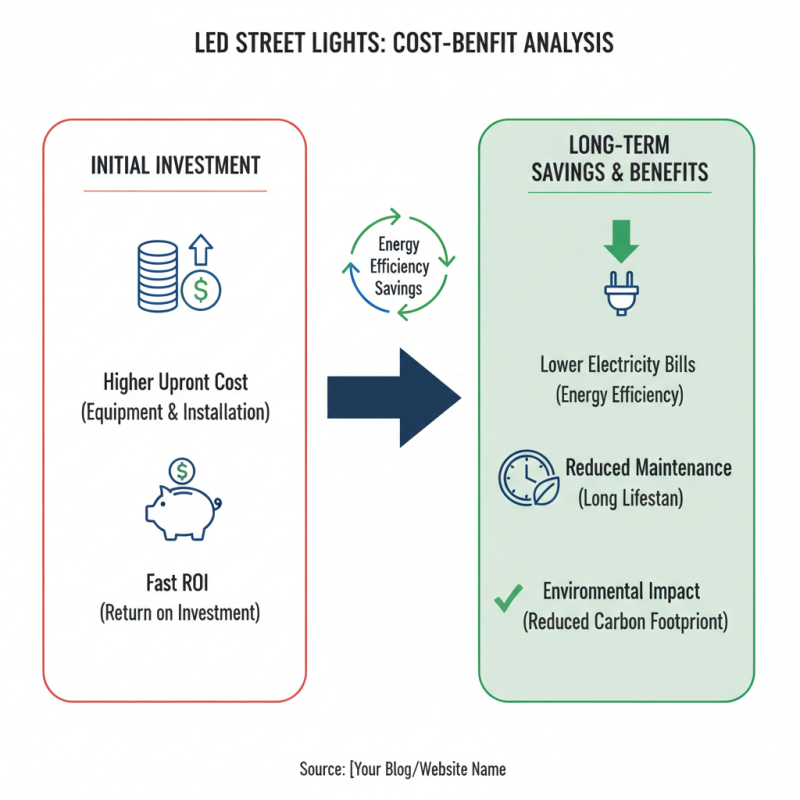
When considering LED street lights, a cost-benefit analysis is crucial. The initial investment might seem high. However, this upfront cost often leads to substantial long-term savings. LED lights are more energy-efficient than traditional options. They consume less electricity, which can lower utility bills significantly. This reduction can lead to a quick return on investment.
In addition to energy savings, LED lights have a longer lifespan. They last longer than many conventional street lights, which means fewer replacements. This longevity can save on maintenance costs and labor. Yet, it's essential to consider installation costs as well. If installed poorly, you may not reap the full benefits. Inspecting your installation process is vital. Finding the right balance between initial costs and future savings takes time. It may require reflection on your specific needs and circumstances. Choose wisely to ensure your community benefits in the long run.