How to Choose the Best Solar LED Street Light for Your Needs?
Selecting the right solar LED street light can be challenging. With numerous options available, it's easy to feel overwhelmed. These lights are becoming popular for their energy efficiency and eco-friendliness. However, not all solar LED street lights are created equal. Each has unique features that impact their performance and suitability for different environments.
When considering a solar LED street light, think about its brightness and battery capacity. These directly affect how well it illuminates your area. Look for lights with durable materials. They should withstand harsh weather. You may also want to consider installation ease. Some models require professional help, while others are DIY-friendly.
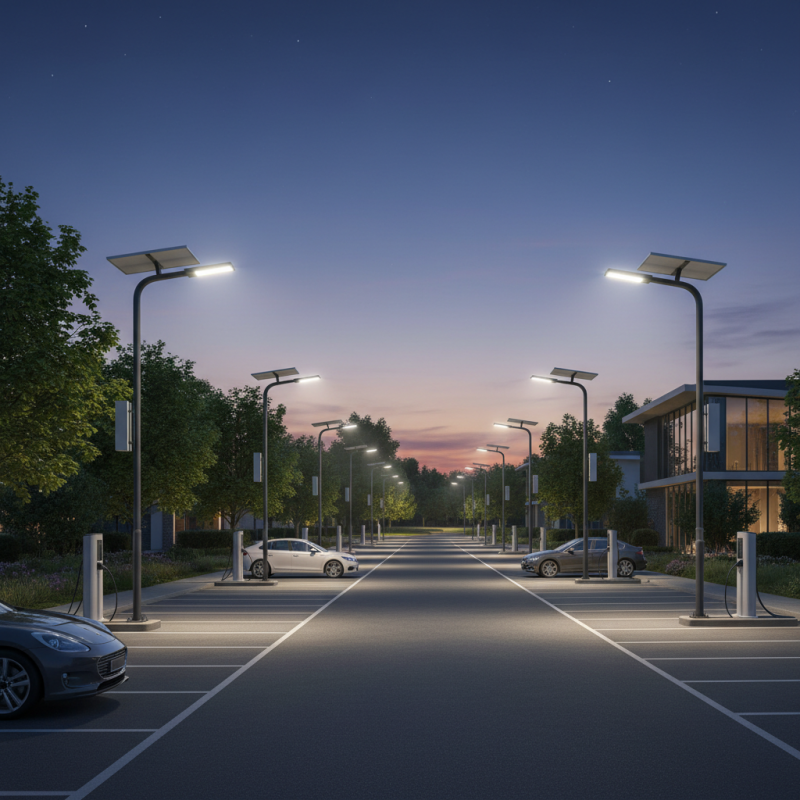
Reflect on your specific needs. Are you lighting a parking lot or a residential street? The purpose of the light influences your decision. It's essential to weigh all factors carefully. Finding the best solar LED street light involves more than just picking the cheapest option. Take your time to research, and you may find a solution that offers both quality and value.
Understanding Your Lighting Needs for Solar LED Street Lights
When choosing solar LED street lights, understanding your specific needs is crucial. Consider the location where the lights will be installed. Is it a busy street or a quiet pathway? Busy areas may require brighter lights, while dimmer options might suffice for fewer traveled paths.
Next, assess the surrounding environment. Is there abundant street furniture or trees? These can block light. In such cases, choose fixtures that provide adjustable angles. Think about the duration of required illumination. Some places need lights throughout the night, while others may benefit from timers or motion sensors. The battery capacity plays a role too, especially in less sunny regions.
Don't overlook the aesthetics either. The design should blend with the environment. Sometimes, a modern fixture may enhance the street appeal. However, practicality should never take a backseat. For example, overly decorative designs may not yield the best lighting efficiency. It's essential to balance beauty and functionality. Reflect on these aspects when evaluating your lighting needs for solar LED street lights.
How to Choose the Best Solar LED Street Light for Your Needs?
| Feature |
Description |
Considerations |
| Brightness (Lumens) |
Measured in lumens, indicates the amount of light produced. |
Choose according to the area size and required visibility. |
| Battery Capacity |
Covers stored energy for nighttime operation. |
Ensure it supports full operational hours even on cloudy days. |
| Solar Panel Efficiency |
The effectiveness of the panel in converting sunlight to electricity. |
Higher efficiency means better performance in low-light conditions. |
| Durability |
Resistance to weather conditions and vandalism. |
Look for materials like aluminum and IP ratings for water resistance. |
| Installation Type |
Can be pole-mounted, wall-mounted, or embedded. |
Choose according to your site’s layout and power source availability. |
| Smart Features |
Includes motion sensors and remote control options. |
Ideal for energy savings and enhanced functionality. |
Evaluating the Key Features of Solar LED Street Lights
When evaluating solar LED street lights, several key features should be carefully considered.
The brightness, measured in lumens, plays a crucial role. Industry studies indicate that effective street lighting requires
a minimum of 100 lumens per watt. Thus, a light with
3000 lumens would effectively illuminate areas while conserving energy.
Battery life also warrants attention. Most solar street lights use lithium-ion batteries.
These batteries provide a lifespan of about 5,000 charge cycles, equating to roughly
5–7 years of reliable service. However, fluctuations in weather can impact performance.
An extended period of cloudy days can reduce battery efficiency and runtime, limiting the light's effectiveness.
Another aspect to ponder is installation and maintenance. Many systems are designed for easy setup,
but some require special tools or expertise. Regular maintenance ensures optimal performance, yet many users overlook this.
Keeping the solar panels clean and ensuring they receive ample sunlight is essential. Failing to do so can lead to significant energy loss.
Moreover, understanding local regulations around street lighting can pose challenges for compliance.
Comparing Different Types of Solar LED Street Lights Available
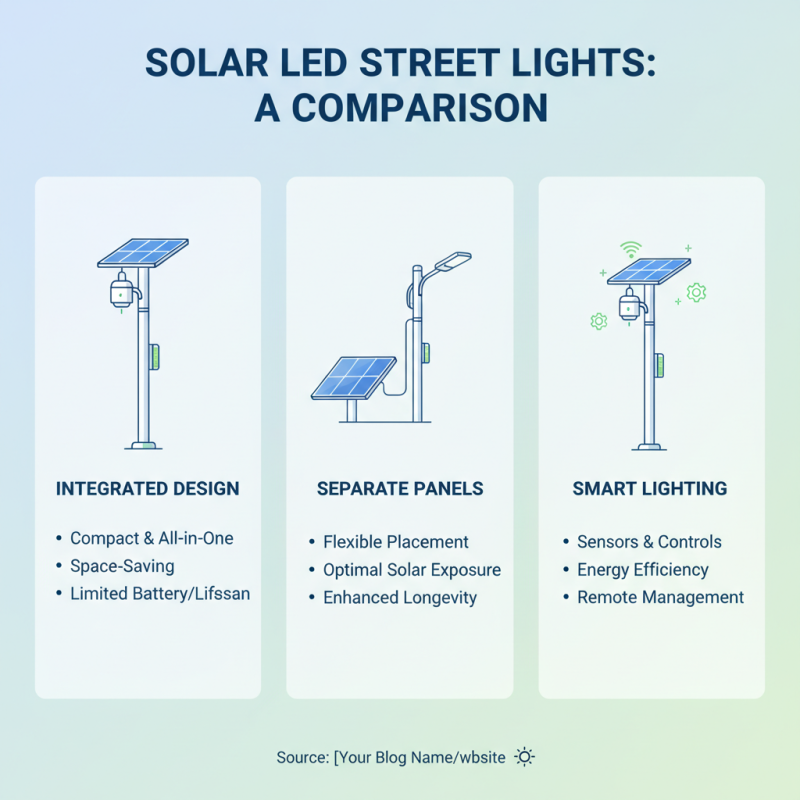
When selecting the best solar LED street light for your needs, understanding the different types available is crucial. Solar LED lights come in various forms, including those with integrated solar panels, separate solar panels, and smart lighting options. Integrated designs are compact. They save space, but their longevity can be limited due to battery capacity. In contrast, separate solar lights provide better flexibility for placement and orientation, allowing for optimal solar exposure.
The efficiency of solar LED street lights significantly depends on the type of LED technology used. Reports indicate that high-efficiency LEDs can convert over 80% of electrical energy into visible light. Smart solar lights often feature sensors that adjust brightness based on motion, saving battery life and reducing light pollution. This indicates the importance of technology when choosing the right system for your needs.
Tips for selection: Assess your location's sunlight availability. In areas with limited sun, prioritize lights with larger solar panels and battery storage. Evaluate the light's lumens; around 1,000 lumens are ideal for street lighting. Don't overlook the installation steps; a complicated setup can lead to improper use. Remember, not all options will meet your unique needs. Take the time to reflect on your requirements and environment before deciding.
Assessing Installation Requirements and Site Conditions
When assessing installation requirements and site conditions for solar LED street lights, several factors come into play.
Begin by analyzing the location’s sunlight exposure. According to the U.S. Department of Energy,
areas with less than 4 hours of sunlight per day may not efficiently power solar lights.
Shade from trees or buildings can further diminish performance.
Next, consider the height and placement of the lights. Solar lights should ideally be installed
12 to 20 feet high to maximize visibility.
However, street width and traffic conditions can present challenges. In some cases, the light spread may need adjustment to avoid dark patches.
A study by the International Renewable Energy Agency highlights that improper installation leads to about 30% inefficiency in light output.
Evaluating local weather is crucial as well. Regions with harsh winters may require heaters in the solar lights, increasing initial investment.
Often, users overlook the maintenance aspect, assuming solar solutions are worry-free. However, dust and debris can impact solar panels,
necessitating regular cleaning. Balancing these factors is key to making informed decisions.
Each project requires careful thought and adaptation to site-specific details.
Analyzing Cost-Effectiveness and Long-Term Benefits of Solar LED Solutions
When considering solar LED street lights, cost-effectiveness is crucial. These lights require a higher upfront investment but can lead to savings over time. They don't rely on electricity from the grid, meaning reduced energy bills. This can be particularly beneficial for municipalities or businesses tight on budgets.
Long-term benefits are significant. Solar LED street lights typically have a lifespan of over 25,000 hours. This means less frequent replacements and lower maintenance costs. Additionally, they contribute to sustainability. Utilizing solar energy reduces carbon emissions, leading to environmental benefits. This aspect may resonate well with communities focused on green initiatives.
However, potential buyers should analyze several factors. The initial costs may seem daunting. Not all solar LED solutions offer the same efficiency or durability. Some lights may not perform well in cloudy or rainy conditions. This could lead to inadequately illuminated streets, which raises safety concerns. It's essential to assess local weather patterns and design needs. Proper research and critical evaluation of options will ultimately lead to better decisions.
Comparison of Solar LED Street Light Cost-Effectiveness
This chart compares the cost-effectiveness of traditional street lights versus solar LED street lights. The data reflects initial costs, annual maintenance costs, energy savings, and lifespan. Solar LED lights show significant advantages in energy savings and a longer lifespan, making them a cost-effective solution in the long run.