How to Choose the Best Wooden Wall Panels for Your Home?
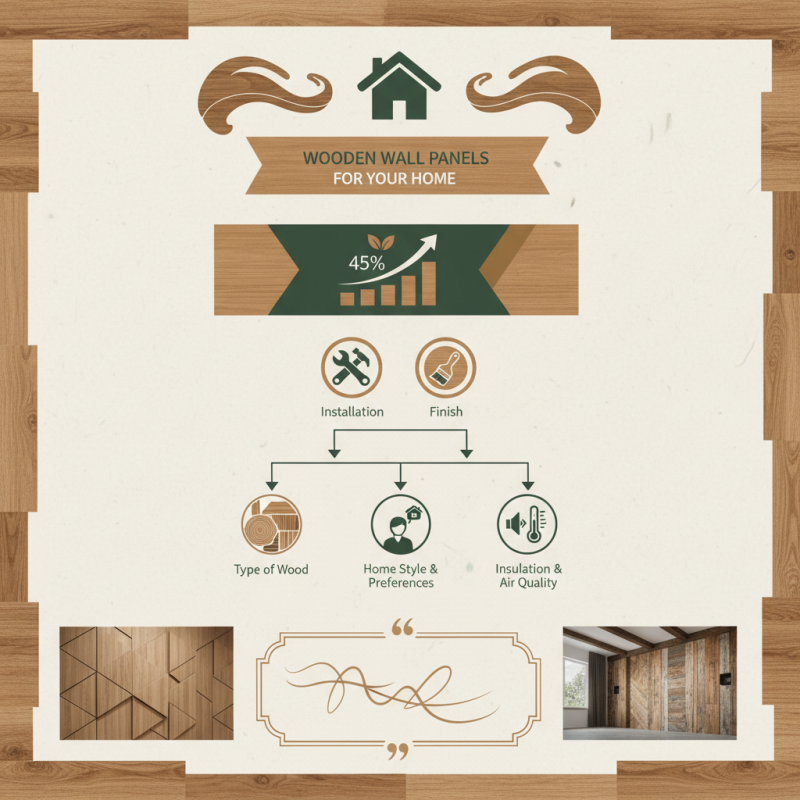
Choosing the right Wooden Wall Panels can dramatically transform your home’s aesthetics. According to a report by the Wood Products Manufacturers Association, the demand for sustainable wood products has risen by 45% in the last five years. Homeowners now prioritize eco-friendly options.
Expert Carl Johnson, a renowned interior designer, emphasizes, “The beauty of wooden wall panels lies in their versatility.” This versatility allows for various design styles, from rustic to modern chic. Wooden Wall Panels are not just about looks. They provide insulation and improve indoor air quality.
However, selecting the perfect panels can be challenging. Consider the type of wood, finish, and installation methods. It’s essential to reflect on your home’s style and personal preferences. While many panels enhance elegance, some may not suit every space. Careful thought is crucial in this selection process.
Factors to Consider When Selecting Wooden Wall Panels for Your Home
Choosing the right wooden wall panels for your home requires careful consideration. Think about the type of wood you prefer. Options like oak, pine, and cherry offer unique aesthetics. Each wood type has distinct colors and textures that can influence the overall atmosphere of your space. For example, oak is sturdy and classic, while pine offers a rustic charm.
Next, consider the finish. The grain and sheen of the wood can drastically alter the feel of a room. Matte finishes can create a cozy and informal environment, while glossy finishes can lend a sleek and modern look. Additionally, the thickness of the panels matters. Thicker panels provide better insulation but may also increase costs.
Don’t forget about your home's existing decor. The panels should complement your current style rather than clash with it. You might also reflect on the maintenance required. Some woods need regular sealing and care, while others are low-maintenance. Balancing durability and aesthetics is crucial. Make sure to factor in your lifestyle too; families with kids may require sturdier options.
Different Types of Wood Used in Wall Panels and Their Characteristics
Choosing the right wood for wall panels can transform your space. Different types of wood offer unique characteristics. Oak, for instance, is sturdy and grained. It appeals to those seeking durability. In a survey by the National Wood Flooring Association, 75% of homeowners chose oak for its resilience.
Pine, a softer alternative, provides a rustic aesthetic. Its lighter color brightens rooms. Data from the Wood Products Council shows pine panels are popular in cozy settings. However, they are more susceptible to dents and scratches. This trade-off is essential for homeowners who want charm over sheer strength.
Cedar, known for its natural resistance to decay, is another option. Its aromatic scent enhances indoor air quality. However, cedar panels can be more expensive. Reflecting on these choices matters. Which wood fits your lifestyle? How often will you maintain it? Each wood type demands different levels of care and consideration.
How to Choose the Best Wooden Wall Panels for Your Home?
| Type of Wood | Characteristics | Durability | Cost |
| Oak | Strong and durable; has a beautiful grain | High | $$$ |
| Maple | Light color and smooth finish; resistant to abrasion | High | $$$ |
| Pine | Lightweight and easy to work with; distinct knots | Medium | $ |
| Cedar | Naturally resistant to decay; aromatic scent | High | $$ |
| Walnut | Rich, dark color; fine grain; luxurious feel | High | $$$$ |
Tips for Choosing the Right Color and Finish for Your Wooden Panels
Choosing the right color and finish for wooden wall panels is essential for enhancing your home's aesthetic. A report by the National Wood Flooring Association notes that colors can greatly influence the perception of space.
Lighter hues can make a room appear larger, while darker shades create warmth and intimacy.
Consider the overall theme of your home when selecting colors. If you have a modern design, sleek, neutral tones will complement it best. For a rustic feel, warmer, earthier colors work well. The finish is equally vital. A matte finish can provide a natural, understated look, while glossy finishes reflect light, enhancing brightness. But keep in mind that gloss may show imperfections more easily.
Most homeowners overlook texture. A smooth finish can feel cold, while a textured surface adds depth. A study from the American Society of Interior Designers highlights how texture impacts mood. A panel's surface can evoke comfort or elegance. Experimenting with samples can help visualize the final outcome. Don’t hesitate to rethink your choices if they don't resonate with your vision.
Installation Methods and Best Practices for Wooden Wall Panels
When installing wooden wall panels, preparation is essential. Start by measuring the wall accurately. This will help in cutting the panels to size. Choose a level surface for installation to avoid future issues.
Tips: Use a stud finder to locate the wall studs. Secure the panels into the studs for a sturdy hold. This method prevents warping over time.
For adhesive methods, ensure the surface is clean and dry. Apply adhesive evenly across the back of the panel. Press firmly but carefully to avoid shifting. Gaps can lead to an uneven look.
Always consider the finish. Sanding edges smooth can enhance the overall appearance. However, don’t rush; a perfect finish takes time. Review your work as you go. Is it aligned correctly? Small details matter greatly. The goal is to achieve a polished result that reflects your taste.
How to Choose the Best Wooden Wall Panels for Your Home
Maintenance and Care for Longevity of Wooden Wall Panels in Your Home
Wooden wall panels can add warmth and elegance to any room. However, maintaining them is crucial for their longevity. Start by regularly dusting the panels to prevent dirt buildup. Use a soft, dry cloth for this. Over time, moisture can harm the wood. Keep your home’s humidity levels between 30% to 50%. You may need a dehumidifier in damp areas.
Consider using wood conditioners every few months. These products can help restore the natural oils in the wood. Additionally, avoid harsh cleaners. They can strip away finish. When spills occur, clean them promptly with a soft, damp cloth. Prolonged exposure to water can cause warping or damage.
Sunlight can also hurt wooden panels. UV rays can fade their color and finish. Use curtains or blinds to filter sunlight. If you notice scratches or dents, don’t worry. Lightly sanding the area can help. It’s important to apply a protective finish afterward. This nurtures the wood and improves its appearance. Regular maintenance prevents costly repairs and keeps your wooden panels looking fresh.