How to Choose the Right Polyethylene Sheet for Your Needs?
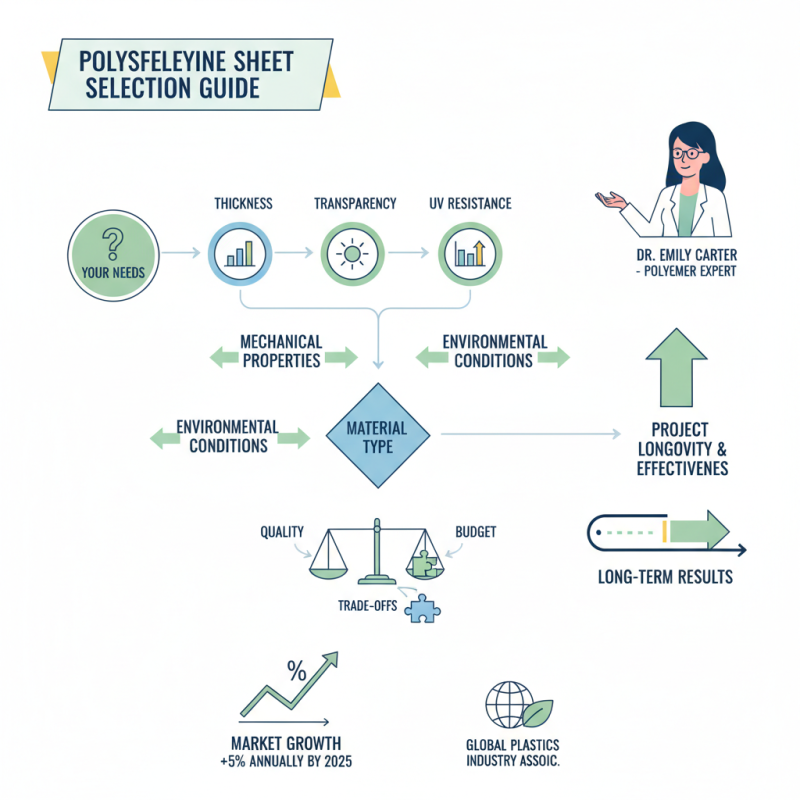
Choosing the right Polyethylene Sheet for your project can be challenging. The market offers a variety of options, each suited for different applications. According to a report by the Global Plastics Industry Association, the demand for polyethylene sheets is expected to grow by 5% annually through 2025. This trend highlights the importance of understanding your specific needs before making a choice.
Dr. Emily Carter, a recognized expert in polymer materials, emphasizes, "Selecting the proper Polyethylene Sheet can significantly impact the longevity and effectiveness of your project." Her insights underline the necessity of evaluating characteristics such as thickness, transparency, and UV resistance. Missteps in this selection process can lead to unexpected failures.
In making your decision, consider factors such as mechanical properties and environmental conditions. It's essential to reflect on the intended use of the material. Balancing quality with budget constraints is not easy, and sometimes, it requires difficult trade-offs. Ultimately, taking the time to make an informed choice can yield better results in the long run.
Understanding the Different Types of Polyethylene Sheets
When choosing polyethylene sheets, understanding the types available is crucial. Polyethylene sheets are categorized mainly into high-density polyethylene (HDPE) and low-density polyethylene (LDPE). HDPE is strong and impact-resistant, making it suitable for demanding applications. It’s often used in industrial settings and construction. Conversely, LDPE is more flexible and easier to handle, which is ideal for packaging and protective coverings.
Besides density, the thickness of the sheets affects their durability and application. Thicker sheets provide better protection against wear and tear. They are excellent for outdoor uses like wind barriers or pond liners. However, selecting a too-thick sheet for a simple cover may seem excessive. Balancing functionality and cost is often a challenge. Additionally, the color of the sheet can influence its usefulness. Clear sheets allow visibility, while colored sheets offer UV protection.
In practical terms, assess your unique needs carefully. Consider factors like exposure to physical stress, temperature fluctuations, and how long you need the sheet to last. It's not uncommon to overlook specific requirements and make hasty choices. Reflecting on past selections can help you avoid repeating errors. Each application is different, and taking time to evaluate will enhance your decision-making.
Identifying Your Specific Needs and Applications
When selecting the right polyethylene sheet, it's crucial to identify your specific needs and applications. Consider the environment where the sheet will be used. Will it be exposed to sunlight, chemicals, or extreme temperatures? High-density polyethylene (HDPE) might be ideal for outdoor use, while low-density options excel in flexibility and softness.
Think about the thickness required for your project. A thicker sheet can provide better durability but may be more cumbersome to handle. Conversely, thinner sheets are easier to cut but might not withstand heavy loads. Assessing the intended use—be it packaging, insulation, or protective barriers—will guide your choice.
Evaluate the type of finish you need. Smooth sheets are typically easier to clean, while textured surfaces can offer better grip or aesthetic appeal. Remember that the selection process may take time. Don't rush. Mistakes can lead to wasted resources. If unsure, consult with experts who can guide you based on their experiences. They can help avoid common pitfalls.
Evaluating Thickness and Durability Requirements
When selecting the right polyethylene sheet, understanding thickness and durability is essential. The thickness of polyethylene sheets ranges from 6 mil to 60 mil, affecting both strength and flexibility. Reports from industry research indicate that sheets around 20 mil provide a balance between flexibility and sturdiness for general applications.
Consider the environment where the sheet will be used. In high-impact situations, choosing a thicker sheet, around 30-40 mil, can enhance durability. According to a study by the Plastics Industry Association, thicker sheets perform better under stress, providing longer-lasting solutions for commercial and industrial needs.
Tips: Always assess the specific needs of your project. If your application requires UV resistance, thicker sheets also offer better protection against degradation. Remember, not every application needs the thickest sheet. For less demanding environments, a 10-15 mil sheet can suffice. Evaluate carefully what you truly need to avoid overspending.
Polyethylene Sheet Thickness and Durability Comparison
Considering UV Resistance and Other Environmental Factors
When choosing a polyethylene sheet, UV resistance is crucial. This property protects the material from degradation caused by sunlight exposure. If your project is outdoors, select a UV-resistant sheet. Traditional polyethylene may become brittle and weak over time. Test the material under direct sunlight to ensure that it holds up well.
Also, consider other environmental factors. Temperature variations can affect the sheet's durability. High heat may lead to warping, while extreme cold can make it brittle. Think about where the sheet will be used. For example, if your project faces temperature extremes, opt for a sheet designed for such conditions.
Tips: Conduct research on local weather patterns. This information helps choose the right thickness and type of polyethylene. Additionally, consult with experts or suppliers about your specific needs. Their experience can guide you toward a more reliable choice. Don't overlook the importance of trial and feedback from previous projects. Testing samples can reveal weaknesses you didn't anticipate.
Assessing Cost and Availability of Polyethylene Sheets
When selecting polyethylene sheets, cost and availability are critical factors to consider. Industry reports indicate that polyethylene sheets can range from $0.50 to $3.00 per square foot, depending on thickness and type. HDPE sheets tend to be more cost-effective than LDPE. Local market dynamics also influence prices significantly, often leading to variations based on regional supply.
Availability is another essential aspect. A report by the American Plastics Council shows that polyethylene production has increased by 20% since 2020. However, supply chain disruptions may affect access. It's essential to verify local suppliers and stock levels. Lack of availability can delay projects and increase costs unexpectedly. Always ensure that chosen suppliers can meet your demands promptly.
Consider the specific requirements for your project. While lower-cost options may seem appealing, they may lack durability or chemical resistance. Some applications, like packaging or construction, require high-quality sheets. Investing in proper materials might save money in the long run. Evaluate your needs carefully and consider the total cost of ownership, not just the initial purchase price.
How to Choose the Right Polyethylene Sheet for Your Needs?
| Type of Polyethylene Sheet | Thickness (mm) | Cost per Square Foot ($) | Availability (In Stock) | Ideal Applications |
| High-Density Polyethylene (HDPE) | 3 | 0.70 | Yes | Packaging, Containers |
| Low-Density Polyethylene (LDPE) | 6 | 0.50 | Yes | Bags, Films |
| Linear Low-Density Polyethylene (LLDPE) | 4 | 0.65 | Yes | Stretch Wrap, Pouches |
| Polyethylene Terephthalate (PET) | 2 | 0.75 | No | Food and Beverage Containers |