Why Choose Steel Scaffolding for Your Construction Projects?
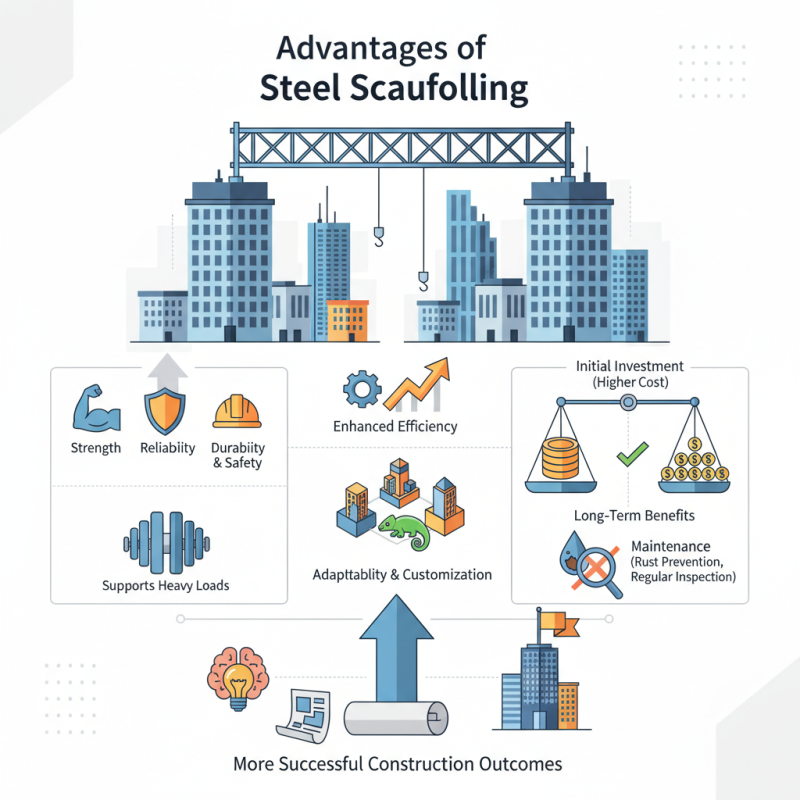
When it comes to construction projects, choosing the right scaffolding is crucial. Steel Scaffolding stands out for its strength and reliability. This material offers a solid foundation for workers and equipment at significant heights. Unlike wooden or aluminum options, steel provides unmatched durability, ensuring safety on site.
Using steel scaffolding can enhance the overall efficiency of any construction job. Its robust design supports heavy loads, which is essential in large projects. Additionally, steel scaffolding is adaptable. It can be customized for various building shapes and sizes. However, the initial investment may be higher compared to other materials. It’s vital to weigh the benefits against the cost.
Moreover, maintenance is an area that requires attention. While steel is resistant to many elements, rust can be an issue if not properly treated. It’s important to regularly inspect the scaffolding to ensure it remains safe. Making informed choices about steel scaffolding can lead to more successful construction outcomes.
Benefits of Steel Scaffolding in Construction Projects
Steel scaffolding offers numerous benefits for construction projects. Its strength and durability make it an ideal choice for both residential and commercial builds. Steel can withstand heavy loads and harsh weather conditions, making it a reliable option for various construction tasks. Workers can perform their duties safely and efficiently with sturdy scaffolding.
One notable advantage of steel scaffolding is its reusability. Unlike wood, steel can be dismantled and reused multiple times. This not only reduces material waste but also cuts costs. However, maintenance is necessary to prevent rust. Regular inspections are crucial to ensure safety. Neglecting these can lead to safety hazards over time.
Another benefit is the ease of assembly. Steel scaffolding components fit together easily, speeding up construction timelines. Crews can set up and dismantle scaffolds quickly. Yet, proper training is essential for workers. Improper assembly can compromise safety. A safe working environment is paramount in the construction industry. Ensuring that workers are knowledgeable about steel scaffolding challenges is key to overall project success.
Comparative Analysis: Steel vs. Other Scaffolding Materials
Steel scaffolding is often favored in construction projects due to its numerous advantages over other materials. When compared to aluminum or wood, steel offers superior strength and durability, making it a popular choice among contractors. According to a report from the Scaffold and Access Industry Association, steel scaffolding can withstand extreme weather conditions and heavy loads, ensuring the safety of workers. This resilience reduces the frequency of replacements and repairs, leading to lower long-term costs.
However, steel may pose challenges in terms of weight. It is significantly heavier than aluminum, which can complicate transportation and assembly. Contractors must consider workforce capabilities and equipment when opting for steel. Additionally, the risk of rust and corrosion must be managed, particularly in humid environments. Regular maintenance and protective coatings can mitigate these concerns.
**Tip:** Always assess your project's specific needs before choosing scaffolding material. Consider factors such as load requirements and environmental conditions.
Ultimately, the choice of scaffolding should align with project demands. While steel excels in durability, evaluating logistics and upkeep is crucial. Balancing these elements can lead to better decision-making in construction planning.
**Tip:** Regularly train your team on handling and maintaining scaffolding. This will enhance safety and extend the lifespan of your equipment.
Comparative Analysis of Scaffolding Materials
This chart compares the durability of various scaffolding materials used in construction projects. Steel scaffolding boasts a durability of up to 20 years, making it a preferred choice for long-term projects, whereas wood and plastic show significantly lower lifespans.
Durability and Strength: Why Steel Outperforms Other Materials
When considering scaffolding for construction projects, steel emerges as a superior choice. Its durability and strength significantly outweigh alternatives like wood or aluminum. Steel scaffolding can endure harsh weather conditions, making it reliable for long-term use. Unlike wood, which can rot or warp, steel maintains its structural integrity over time.
Tips for choosing steel scaffolding: ensure you assess the specific needs of your project. Determine the weight loads you'll be dealing with. This will guide you in choosing the right scaffold specifications. Also, remember that while steel is robust, improper installation can lead to failure. Always consult professionals when in doubt.
Another compelling reason to use steel is its resistance to damage. Steel scaffolds can withstand heavy impacts without compromising safety. However, it’s essential to inspect for rust regularly, as neglect can weaken the structure. Investing in regular maintenance increases longevity and safety. Ultimately, steel scaffolding provides peace of mind through strength and resilience, making it an excellent choice for any construction endeavor.
Cost-Effectiveness of Steel Scaffolding in Long-term Projects
Steel scaffolding is often regarded as a cost-effective solution for long-term construction projects. It offers durability that stands the test of time. Unlike wood or aluminum, steel is resistant to weathering and can handle heavy loads. This strength reduces the need for frequent replacements, making it a smart choice financially.
Consider the maintenance costs associated with scaffolding. Steel requires minimal upkeep, which translates to lower overall expenditures. It's worth noting that while the initial investment may be higher, the long-term savings can be substantial. Some projects may face unexpected challenges that could affect the scaffolding choice. Yet, steel’s reliability ensures safety, minimizing delays and reducing additional costs related to accidents.
Furthermore, steel scaffolding is often flexible. It can be adapted to various site conditions. This adaptability can prevent costly changes mid-project. Construction managers may overlook this aspect, leading to budget overruns. Choosing steel scaffolding is about more than just cost; it's about investing in a safer, more efficient project lifecycle.
Why Choose Steel Scaffolding for Your Construction Projects?
| Dimension | Steel Scaffolding | Other Materials |
| Initial Cost | $15 per square meter | $25 per square meter |
| Lifespan | 10-15 years | 5-8 years |
| Load Capacity | 400 kg/square meter | 300 kg/square meter |
| Maintenance Frequency | Every 3 years | Every year |
| Eco-Friendliness | 100% recyclable | Not recyclable |
| Installation Time | 3 days | 5 days |
Safety Standards and Compliance in Steel Scaffolding Usage
Steel scaffolding plays a crucial role in maintaining safety standards on construction sites. According to the Occupational Safety and Health Administration (OSHA), falls account for approximately 30% of construction-related deaths. Properly installed steel scaffolding significantly reduces these risks. Compliance with safety regulations is not just beneficial; it’s essential. The American National Standards Institute (ANSI) sets rigorous guidelines for scaffolding use to ensure worker safety.
Moreover, inspections are critical. A recent report indicated that up to 68% of scaffold-related accidents resulted from improper assembly or maintenance. Regular checks can identify potential risks. Workers must be trained to recognize hazards associated with scaffolding. This includes understanding load limits and identifying instability signs. Using steel scaffolding can enhance safety, but it requires diligence and adherence to standards.
While steel scaffolding offers numerous benefits, challenges remain. Many workers still overlook safety protocols, leading to accidents. A commitment to continuous training and vigilance is necessary. Monitoring compliance must be a priority. Steel scaffolding may provide reliability, but it is the responsibility of construction teams to ensure that it is used correctly.