How to Choose the Right Batch Concrete Plant for Your Needs?
Choosing the right Batch Concrete Plant can profoundly impact your project's success. John Smith, an industry expert with over 20 years of experience, once remarked, "Selecting the right plant is crucial for efficiency and quality." This advice resonates as many face challenges in the ever-evolving concrete industry.
Understanding your project needs is vital. Different plants offer varying capacities, features, and costs. The right choice ensures you meet project deadlines without compromising quality. A small oversight in selection can lead to delays or budget overruns. Evaluating your specific requirements can significantly improve your operations.
Cost, location, and technology are all important factors. Finding a well-equipped Batch Concrete Plant that aligns with your goals is not always straightforward. It's not just about the price tag; it’s about long-term value. Many buyers reflect on their choices, realizing that a cheaper option may result in hidden costs down the line. Prioritizing efficiency and reliability can lead to better outcomes in the long run.
Understanding Different Types of Batch Concrete Plants and Their Applications
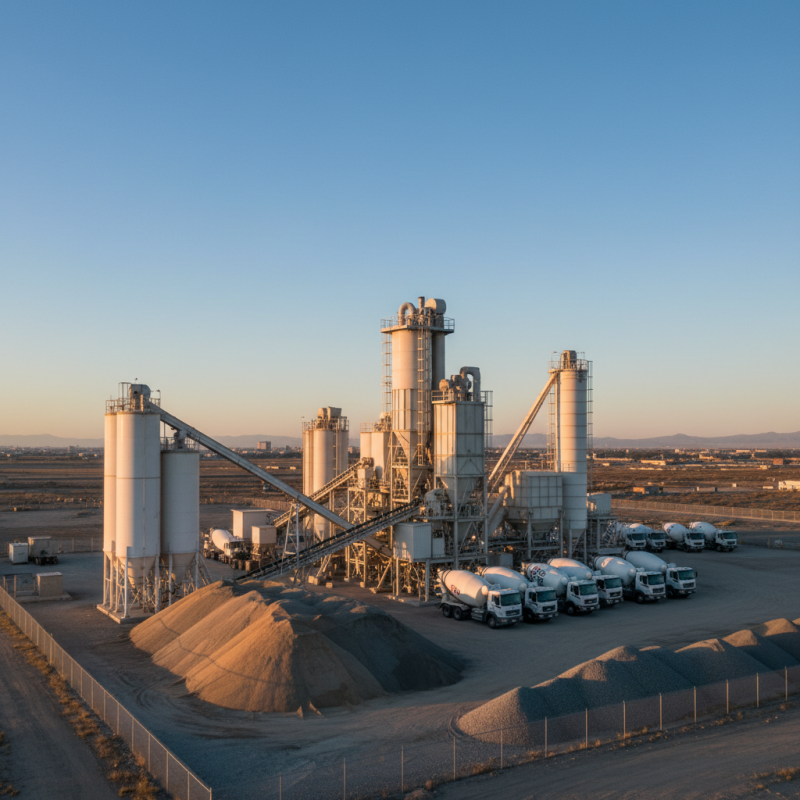
When selecting a batch concrete plant, understanding the different types is crucial. Two primary types are dry batch and wet batch plants. Dry batch plants weigh out the ingredients and mix them before they are loaded onto transportation vehicles. In contrast, wet batch plants mix materials and water on-site, delivering ready-mixed concrete. According to a report from the National Ready Mixed Concrete Association, wet batch plants contribute to over 80% of the concrete produced in the U.S. due to their efficiency.
Choosing the right plant depends on the project scale and requirements. Smaller projects may benefit from dry batch plants, which are often more cost-effective. In comparison, large-scale projects like highways or skyscrapers typically require wet batch plants. A study by the International Concrete Sustainability Conference notes that wet batch plants can produce up to 200 cubic yards of concrete per hour. This significant output can lead to project savings in both time and labor.
However, misconceptions persist around the operational costs of these plants. While wet plants seem optimal for large projects, they demand meticulous maintenance. Equipment wear can lead to unexpected downtimes, impacting project timelines. Understanding these intricacies is vital for making informed decisions that best suit your organizational needs.
Key Factors to Consider When Selecting a Batch Concrete Plant
Selecting the right batch concrete plant is crucial for any construction operation. Several key factors play a significant role in making this decision. Capacity is one of the most important elements. Depending on your operation’s scale, a plant with a capacity of 20 to 120 cubic meters per hour may be necessary. The American Concrete Institute states that a mismatch in capacity can lead to productivity loss.
Another factor to consider is the location of your plant. Proximity to job sites reduces transportation costs. A recent industry report highlighted that transportation can account for up to 25% of total concrete costs. Carefully analyze your regional demand to gauge your needs effectively.
Tips: Assess the quality of materials used in the plant's construction. A well-built plant can enhance longevity and reduce repairs.
Don't overlook technology integration. Modern plants incorporate automation, which improves efficiency. However, this comes with higher initial costs. A thoughtful evaluation of your budget will guide you.
Installing a high-tech plant isn’t always the answer. Some firms may thrive with a simpler, traditional model. Balancing modernity with practicality is often underrated. Look for flexibility in your choice to accommodate future growth.
Concrete Batch Plant Capacity Comparison
This chart compares the capacities of different types of batch concrete plants based on their output per hour. It helps in selecting the right plant according to your production needs.
Evaluating Production Capacity: How Much Concrete Do You Need?
When selecting a batch concrete plant, it's essential to evaluate your production capacity. Determine how much concrete you will need regularly. This involves assessing the size of your projects. Are you working on small residential tasks or large commercial constructions? Understanding your needs helps narrow your choices.
Tips: Analyze your past projects to gauge concrete demand. Look at average production rates and how often you faced shortages. This reflection can guide your decision-making.
Next, consider peak times. Will your projects demand more concrete during certain seasons? If so, select a plant with ample capacity to manage those fluctuations. Having a plant that can scale up during busy periods is advantageous.
Tips: Keep an eye on market trends and demand spikes. Knowledge of upcoming projects can inform your capacity requirements. This insight allows for better preparation and resource allocation.
Assessing Quality Control Features in Batch Concrete Plants
When selecting a batch concrete plant, quality control features play a crucial role. These features ensure consistency in the concrete mix, which impacts your project's overall quality. Look for systems that monitor the raw materials closely. Automated systems can provide real-time data about ingredient proportions. This is vital for optimizing the mix design and minimizing variability.
Tips: Always check the calibration of the sensors used in these systems. A well-calibrated sensor can significantly reduce errors. Also, consider plants that offer predictive maintenance features. This can help prevent unexpected downtimes and maintain production flow.
Another important aspect is the material testing capabilities. Batch plants equipped with labs can conduct tests on aggregates and water. This helps verify the quality before the mix process. Some plants even allow for in-situ testing, which can save time and resources.
Tips: Be cautious with plants that lack comprehensive testing measures. Relying only on external testing may delay your project. Invest in plants that emphasize in-house verifications and quality assurance. Make quality control a priority to avoid failures down the line.
Cost Analysis: Budgeting for Your Batch Concrete Plant Investment
Investing in a batch concrete plant demands careful budgeting. Understand the overall costs involved beyond just the purchase price. Consider installation, maintenance, and operational expenses. Insurance is another cost that shouldn't be overlooked. Timely budgeting ensures you can meet financial obligations without strain.
Tips: Research potential financing options. Explore loans or leasing contracts that fit your budget. This can ease the upfront costs significantly.
Additionally, think about the long-term expenses. A cheaper initial investment might lead to higher repair costs later. Evaluate the total cost of ownership, including energy consumption and labor needs. This approach offers a more realistic financial picture.
Tips: Compare models for energy efficiency. An efficient plant saves you money over time.
Investing in training for your team can also impact your expenses. Well-trained operators run the plant effectively, minimizing waste. Keep in mind that your choice of plant can affect your project’s timeline and budget. Prioritize quality alongside cost.