How to Choose the Right Window and Door for Your Home?
Choosing the right Window & Door for your home is crucial. They affect both the aesthetics and functionality of your space. When selecting, consider size, style, and material. These elements can significantly impact energy efficiency and security.
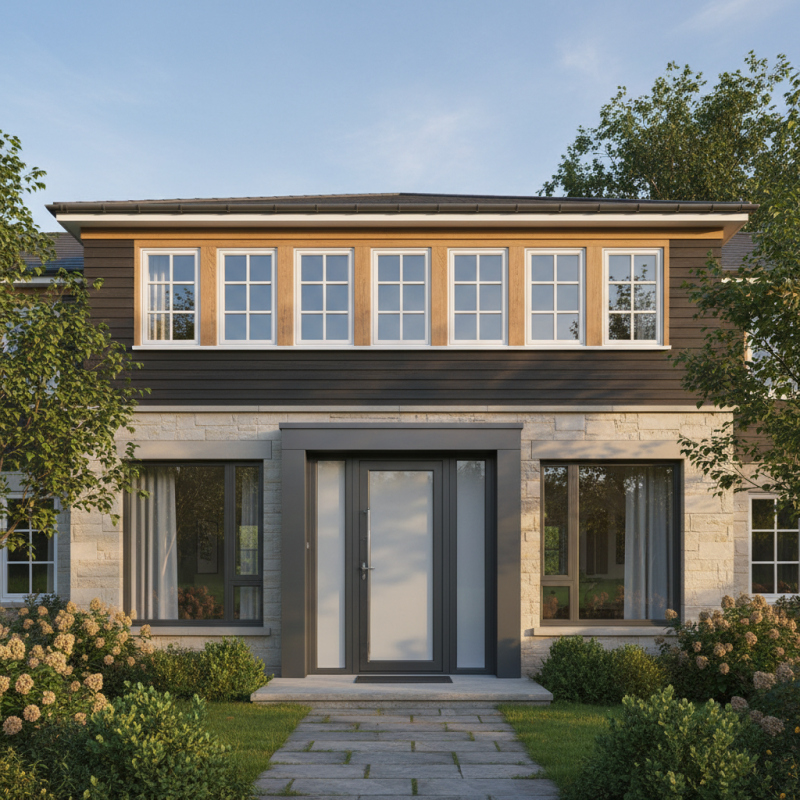
Take a moment to envision your ideal window & door combination. Do you prefer classic wooden frames or modern aluminum designs? Each choice presents distinct advantages. Wooden frames offer warmth, while aluminum is sleek and low-maintenance. Reflect on your home’s architecture too. The right fit enhances its character.
Mistakes can happen. Selecting a size that doesn’t match may lead to gaps or draft issues. Installation choices matter as well; poor sealing can decrease energy efficiency. Take your time. Consider what fits your lifestyle and budget best. Balancing form and function may require thoughtful deliberation.
Factors to Consider When Choosing Windows and Doors for Your Home
Choosing the right windows and doors is crucial for your home. Consider factors like energy efficiency, security, and aesthetics. Energy-efficient windows save money and enhance comfort. Look for double or triple glazing. The frame material also matters—vinyl, wood, or aluminum each has pros and cons. You may find beauty in a wooden frame, but maintenance can be a hassle.
Security is another key factor. Strong doors with good locks can deter burglars. Consider impact-resistant glass for windows in storm-prone areas. This adds safety but can cost more. Aesthetics should not be overlooked. Windows and doors should match your home’s style. An unconventional choice can disrupt harmony. You'll want to reflect on how colors and finishes interact with existing elements.
Take your time during this process. Measure twice, order once. It’s easy to rush decisions. Imagine how each option fits into your lifestyle. Will you enjoy cleaning those high windows? Sometimes practical concerns get lost in style. Balancing these aspects is essential for a satisfying choice.
Understanding Energy Efficiency Ratings: U-Factor and Solar Heat Gain Coefficient
When choosing windows and doors, energy efficiency is crucial. Understanding the U-Factor and Solar Heat Gain Coefficient (SHGC) can guide your decisions. The U-Factor measures heat transfer. A lower U-Factor indicates better insulation. Energy Star reports suggest a range of 0.20 to 0.30 for optimal performance in most climates.
The SHGC reflects how much solar heat enters your home. This number varies based on design and glass type. A SHGC value closer to 0.25 is beneficial in hot climates, reducing cooling costs. In colder areas, a higher value may help retain warmth. Many homeowners overlook this, compromising comfort.
While selecting windows, consider your local climate and orientation. East and west-facing windows can gain excessive heat in summer. Reflection coatings can mitigate this issue, but they may also reduce natural light. Measure the impact on overall illumination before installation. Balancing energy efficiency and aesthetics can be challenging but essential for a sustainable home.
How to Choose the Right Window and Door for Your Home? - Understanding Energy Efficiency Ratings: U-Factor and Solar Heat Gain Coefficient
| Window/Door Type | U-Factor | Solar Heat Gain Coefficient (SHGC) | Energy Star Rating |
| Double-Glazed Window | 0.30 | 0.25 | Yes |
| Triple-Glazed Window | 0.20 | 0.20 | Yes |
| Low-E Coated Window | 0.25 | 0.23 | Yes |
| Single-Pane Window | 0.50 | 0.40 | No |
| Fiberglass Door | 0.17 | 0.18 | Yes |
| Steel Door | 0.23 | 0.22 | Yes |
Material Comparison: Wood, Vinyl, Aluminum, and Fiberglass Windows and Doors
When selecting windows and doors, material choice plays a crucial role. Wood offers timeless beauty and insulation. It can warp, though. Careful maintenance is needed to prevent damage. Ideal in dry climates, wood can be less suitable in humid areas.
Vinyl windows and doors are popular for their affordability and low maintenance. They resist fading and corrosion but can lack the aesthetic appeal of wood. Over time, vinyl may not hold up well against extreme temperatures.
Aluminum is strong and lightweight but can conduct heat, affecting energy efficiency. It’s good for modern homes but less insulating than other options.
Fiberglass stands out as a durable choice. It mimics wood’s appearance but does not warp or rot. However, it can be more expensive. It’s important to weigh the pros and cons of each material carefully.
Choosing incorrectly could lead to costly replacements. Each option has unique features that might suit different needs.
Styles and Designs: Matching Windows and Doors to Your Home's Architecture
When selecting windows and doors, style and design are crucial. They must match your home's architecture. For example, traditional homes often suit double-hung windows. These windows provide classic charm and enhance curb appeal. According to a study by the American Architectural Foundation, 56% of homebuyers prioritize aesthetics in their purchase decisions.
Modern homes, on the other hand, may benefit from sleek, minimalistic designs. Large glass panels can create an illusion of space and invite natural light. The National Association of Home Builders reports that 78% of new builds incorporate expansive windows for energy efficiency. Yet, actual performance can depend on the type of glass and frame material chosen.
It's important to consider local climate as well. While large windows are desirable, they might not be practical in colder regions. The right choice should balance style with functionality. Reflecting on your needs is vital. Prioritize functionality over sheer aesthetics to ensure that your choices endure the test of time.
The Importance of Professional Installation for Longevity and Performance
Choosing the right windows and doors for your home is crucial. Professional installation plays a vital role in ensuring their longevity and performance. Reports indicate that 70% of window and door issues stem from improper installation. This can lead to air leaks, moisture problems, and even structural damage.
When installing windows and doors, precision is key. A professional installer understands the nuances of different building materials. They ensure that each unit fits perfectly within the frame. Additionally, according to the National Association of Home Builders, properly installed windows can improve energy efficiency by up to 30%. This translates to significant savings on utility bills over time.
Unfortunately, many homeowners cut corners to save money. They may opt for DIY installations or hire unqualified help. These decisions often lead to disappointing results and increased future costs. It's essential to weigh immediate savings against long-term benefits. Engaging a professional not only assures quality workmanship but also enhances the overall safety and durability of your home.