What is Cnc Machined and How Can It Benefit Your Business?
Cnc Machined components are revolutionizing the manufacturing landscape. According to a recent industry report by Grand View Research, the CNC machine market is expected to reach $100 billion by 2025, driven by its efficiency and precision. These machines play a crucial role in various sectors, including aerospace and automotive.
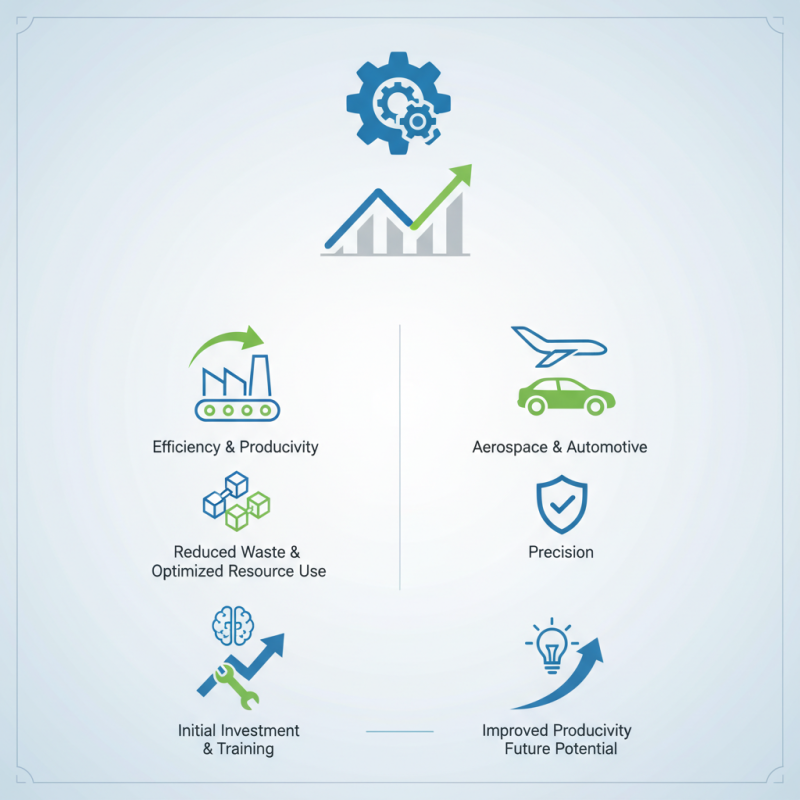
Integrating Cnc Machined parts into your business can lead to improved productivity. A study from the Manufacturing Technology Association highlights that companies utilizing CNC technology experience a 25% increase in production speed. This enhancement minimizes waste and optimizes resource use. However, investing in Cnc Machined processes requires careful planning and expertise.
The transition to Cnc Machining is not without its challenges. Companies must adapt to new software and equipment, which can be a steep learning curve. While the benefits are clear, the initial investment and training costs can be a barrier for some businesses. Addressing these concerns is crucial for leveraging the full potential of Cnc Machined solutions.
What is CNC Machining and Its Fundamental Principles
CNC machining is a transformative process in manufacturing. Essentially, it uses computer-controlled tools to create precise parts. The technology allows for high repeatability and accuracy, which are crucial for many industries. A study by the Industrial Technology Institute indicates that CNC machining can boost production rates by up to 30%. This increase helps businesses meet growing demands while maintaining quality.
The core principles of CNC machining include numerical control and automation. With advanced software, standard designs can be transformed into intricate components. This capability reduces human error and enhances productivity. In fact, reports show that automated machining processes can reduce labor costs by 20-40%. However, this transition isn’t without challenges. Companies must invest in training staff to operate these sophisticated machines.
Despite the benefits, not all applications may favor CNC machining. Sometimes, traditional methods could be more cost-effective for small batches. Businesses must weigh the initial investments against long-term gains. This reflection can lead to better strategic decisions in production planning. Ultimately, CNC machining presents opportunities, yet demands careful consideration in its application.
Key Processes Involved in CNC Machining
CNC machining is a vital process that can significantly enhance manufacturing efficiency. Key processes involved in CNC machining include milling, turning, and drilling. Each of these methods plays a crucial role in shaping materials into precise components. According to a recent industry report, CNC machining can improve productivity by up to 50%. This efficiency is driven by automation, which reduces human error and enhances precision.
Milling is a common CNC process. It uses rotary cutters to remove material, allowing for complex shapes. Turning, on the other hand, involves rotating the material against a cutting tool. This method is particularly effective for cylindrical parts. Drilling is essential for creating holes and can be integrated with other processes for added versatility.
**Tip:** Ensure your CNC machines are regularly maintained. This practice can prevent costly downtime and enhance longevity.
While CNC machining offers numerous benefits, operators sometimes face challenges with programming complexity. The learning curve can be steep. Some businesses may struggle to find skilled labor for these advanced techniques. Investing in employee training is crucial for overcoming these barriers.
**Tip:** Utilize software simulations to train staff effectively. This method allows for practical learning without the risk of damaging equipment.
Advantages of CNC Machining for Businesses
CNC machining offers numerous advantages that can significantly enhance business operations. According to a report by Grand View Research, the global CNC machining market is expected to reach $100 billion by 2026. This growth is driven by its precision manufacturing capabilities. Utilizing CNC technology, businesses can achieve tight tolerances, often within ±0.01 mm. This level of accuracy reduces waste and ensures high-quality products.
Additionally, CNC machining improves efficiency. Companies can automate production processes, which decreases labor costs and speeds up turnaround times. Studies indicate that CNC machines can produce components at a rate up to 80% faster than manual methods. However, transitioning to CNC may require upfront investment and employee training. Some businesses struggle with the learning curve associated with this technology.
Moreover, CNC machining allows for the customization of parts. Manufacturers can easily modify designs to fit specific client needs, opening up new market opportunities. Yet, it's essential to note that not all businesses may require such high levels of customization. Some might find the operational complexities of CNC machinery challenging. Balancing these factors is crucial for making informed decisions in today's fast-paced manufacturing landscape.
Applications of CNC Machining Across Various Industries
CNC machining has become essential in various industries, offering precision and efficiency. This technology is widely used in aerospace, automotive, medical, and electronics sectors. A report by Statista shows that the CNC machining market is expected to reach $20 billion by 2026, underscoring its growing importance.
In the aerospace industry, CNC machining is crucial for manufacturing components like turbine blades and landing gear. These parts require high precision due to safety regulations. A Boeing study indicated that CNC-produced parts reduce lead times by up to 30%. In the medical field, CNC machines create implants and surgical instruments. This ensures that products meet strict quality standards. The medical device industry is projected to grow by 5.4% annually through 2025.
Despite its many advantages, CNC machining is not without challenges. Initial setup costs can be high. Additionally, companies must constantly update their technology to keep up with industry standards. Addressing these issues is vital for businesses to maximize the benefits of CNC machining. Embracing innovation and training staff can greatly enhance productivity and sustainability in the long run.
CNC Machining Applications Across Various Industries
Factors to Consider When Implementing CNC Machining in Your Business
When considering CNC machining for your business, it's crucial to assess several factors. Efficiency is key; CNC machining can reduce production time by up to 75%. This boosts output and meets customer demands. However, adopting this technology requires initial investments in machinery and training. It's essential to evaluate if your team can effectively operate CNC equipment. Overlooking this could lead to wasted resources.
Quality control is another vital aspect. CNC machining ensures high precision, often achieving tolerances within ±0.001 inches. This is particularly beneficial in industries like aerospace and medical devices, where accuracy is critical. Still, the learning curve may introduce errors if staff aren't adequately trained. Implementing a robust training program could mitigate these risks.
Consider your production volume as well. For small batches, traditional machining methods may be more cost-effective. Industry reports indicate that CNC becomes financially viable when producing larger quantities. Analyze your forecasts to avoid unnecessary costs. Balancing these factors can set the stage for successful CNC integration in your operations.