What is Hard Shell Luggage and Why Choose It?
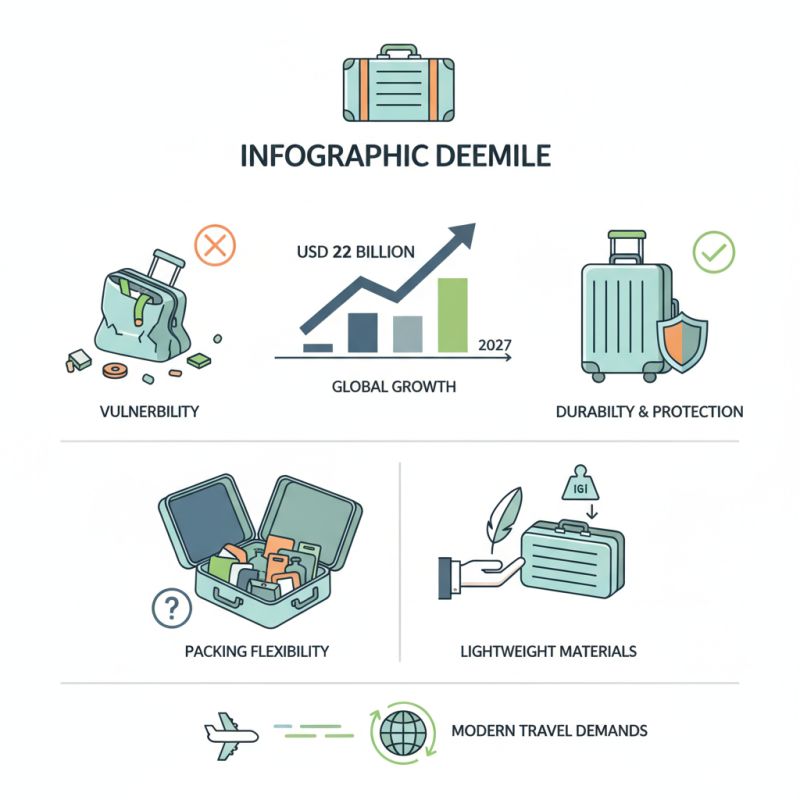
Hard Shell Luggage has gained immense popularity among travelers seeking durability and protection. Recent studies by the Global Industry Analysts report that the hard shell luggage market is projected to grow significantly, reaching USD 22 billion by 2027. This growth reflects a rising consumer preference for sturdy options, especially for air travel.
Travelers often face challenges with soft-sided bags, such as lack of structure and vulnerability to damage. In contrast, Hard Shell Luggage offers superior impact resistance. Its rigid design protects belongings better while undergoing rigorous handling at airports. Additionally, many models incorporate lightweight materials, balancing sturdiness with convenience.
Nevertheless, it’s essential to consider the variety available. Not every hard shell suitcase is suited for individual needs. Some may find them less flexible for packing odd-shaped items. Others may struggle with weight restrictions. These factors invite consumers to reflect on their travel habits and needs before making a purchase. Ultimately, the rise of Hard Shell Luggage is a testament to the evolving demands of modern travelers.
Definition and Characteristics of Hard Shell Luggage
Hard shell luggage is a type of suitcase made from rigid materials such as polycarbonate or aluminum. These materials offer increased durability and protection against impact. According to a recent industry report, over 60% of travelers prefer hard shell luggage due to its robust structure. This type of luggage can endure rough handling during travel and prevent damage to your belongings.
The characteristics of hard shell luggage include a lightweight design, water resistance, and improved security features. Many models come with lockable zippers and integrated TSA locks. The smooth exterior makes cleaning easy, yet it can show scratches and scuffs more readily than softside options. Some travelers find this aesthetic a downside. Maintenance can be a hassle if the surface gets damaged.
Though hard shell luggage excels in durability, it is not always the most flexible choice. Space management can be tricky, as hard shell cases typically lack external pockets. This could lead to packing challenges. Therefore, while they protect your items, the design may force compromises on convenience. Overall, understanding these nuances helps travelers make an informed choice.
Advantages of Choosing Hard Shell Luggage Over Soft Sided Options
Hard shell luggage offers notable benefits that many travelers appreciate. One primary advantage is the durability of the materials used. These cases are typically made from polycarbonate or ABS plastic, making them resistant to dents and scratches. In busy airports, where bags can be tossed around, this can be invaluable. Travelers often find that hard shell luggage maintains its shape better than soft-sided alternatives.
Another key feature is the enhanced security hard shell luggage tends to provide. Many models come with built-in locks or can accommodate TSA-approved locks. This added layer of security means you can travel with greater peace of mind. Soft-sided luggage, while flexible, often lacks the structural integrity to deter tampering or theft effectively.
However, hard shell luggage can be heavier and bulkier than its soft counterparts. This sometimes makes it less convenient for maneuvering through tight spaces. Additionally, the rigid design may limit how much you can stuff into the bag. Travelers might need to plan their packing more carefully. These factors remind us that while hard shell luggage offers great protection, personal needs and travel styles should guide the final choice.
Advantages of Hard Shell Luggage Over Soft Sided Options
Common Materials Used in Hard Shell Luggage Construction
Hard shell luggage is known for its durability and sleek design. Many travelers prefer it for its robust exterior. This type of luggage typically uses three main materials: polycarbonate, ABS plastic, and aluminum. Each material offers unique advantages.
Polycarbonate is lightweight and resilient. It can withstand impacts without cracking. This is ideal for frequent travelers. ABS plastic, on the other hand, is more affordable and lightweight. While it’s not as durable as polycarbonate, it provides good protection at a lower price point. Aluminum is the most premium option. It’s tough and has a classic aesthetic. However, it can be heavier and more expensive.
Understanding these materials helps consumers make informed choices. Hard shell luggage can sometimes show scratches or dents, especially after frequent use. This can affect its appearance over time. Travelers should weigh durability against weight and price. The right choice depends on individual travel habits and preferences.
What is Hard Shell Luggage and Why Choose It? - Common Materials Used in Hard Shell Luggage Construction
| Material | Durability | Weight | Flexibility | Price Range |
| Polycarbonate | High | Lightweight | Moderate | $100 - $300 |
| ABS Plastic | Moderate | Lightweight | Low | $50 - $150 |
| Aluminum | Very High | Heavy | Low | $300 - $700 |
| Polypropylene | High | Moderate | Moderate | $100 - $200 |
Tips for Selecting the Right Hard Shell Luggage for Your Needs
When selecting hard shell luggage, consider the material. Common options include polycarbonate and ABS. Polycarbonate is lightweight and resistant to impact. ABS, on the other hand, is more affordable but less durable. Both materials provide a sturdy outer layer, but they perform differently under pressure.
Size is crucial. Think about your travel habits. Short trips require smaller cases, while longer journeys benefit from larger luggage. Also, check the weight of the suitcase. Lightweight options save you hassle at the airport. However, don’t sacrifice durability. Balance is key.
Finally, look closely at features. Wheels matter. Four-wheeled designs offer ease of maneuverability. Zippers should be sturdy and reliable. Consider internal compartments as well; they keep your items organized. Remember, the best hard shell luggage suits your specific needs—be it for business or leisure. Making informed choices leads to less hassle in your travels.
Maintenance and Care for Hard Shell Luggage to Ensure Longevity
Hard shell luggage is known for its durability and protection. However, to ensure it lasts, proper maintenance is essential. Regularly inspecting your luggage for scratches or dents can prevent more significant issues. Pay attention to the wheels and zippers, as they endure the most wear and tear during travel.
Tips: Always store your hard shell luggage in a cool, dry place. This helps prevent mold and keeps materials from deteriorating. Wipe it down with a damp cloth after use to remove dirt and debris.
Using luggage covers can be useful. These not only protect the outer shell but also add a layer of customization. If you notice any cracks or damages, consider seeking professional repair services to maintain its longevity. Remember, hard shell luggage may chip over time, so frequent checks are necessary. Being proactive helps in extending its life.