What Are Heat Shrink Bags and How Do They Work?
Heat Shrink Bags are a versatile packaging solution widely used in various industries. These bags consist of a special type of plastic that shrinks when exposed to heat. This shrinking action creates a tight seal around the product, ensuring protection and preserving its quality. From food packaging to electronics, heat shrink bags offer an effective way to secure items.
The process of using heat shrink bags is straightforward. First, the item is placed inside the bag. Next, heat is applied, typically using a heat gun or an oven. As the temperature rises, the bag shrinks tightly around the product. This method not only enhances protection but also provides a professional appearance. Heat shrink bags are an efficient choice for retailers looking to showcase their products attractively.
Despite their benefits, there are considerations to keep in mind. Not all products are suitable for heat shrinking. It is essential to understand the temperature limits of both the bag and the item inside. Overheating can lead to damage. Thoughtful application ensures the best results. By understanding both the pros and cons, one can make informed decisions on using heat shrink bags effectively.
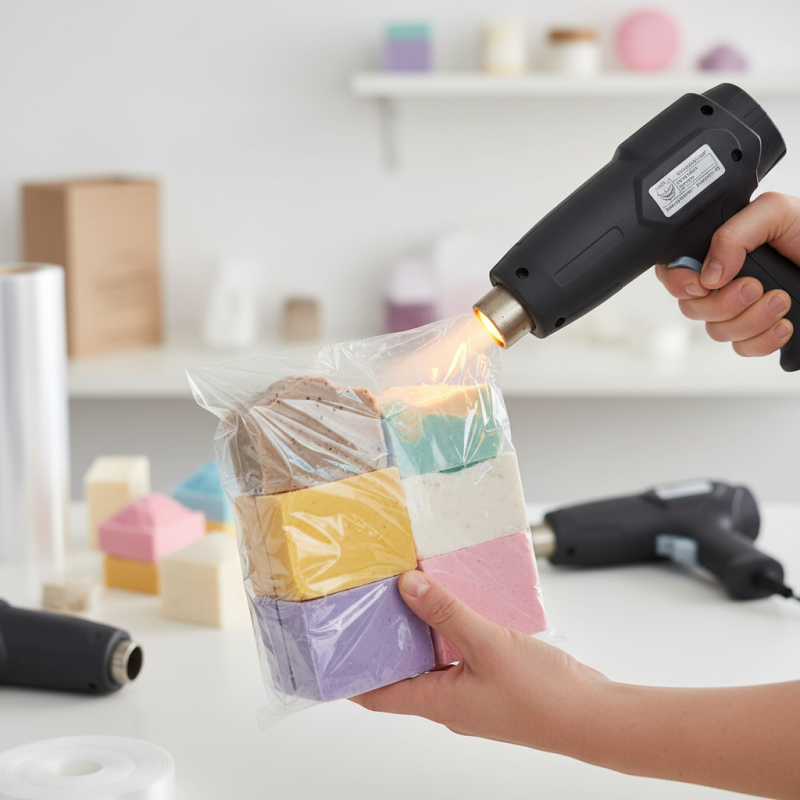
What Are Heat Shrink Bags?
Heat shrink bags are versatile packaging solutions widely used in various industries. They are made from a polymer material that shrinks tightly over the product when heated. This process provides a secure and protective layer, enhancing both storage and transportation. Data from the Flexible Packaging Association indicates that the market for heat shrink films is projected to grow steadily, driven by increasing demand in food, pharmaceutical, and consumer goods sectors.
The application of heat shrink bags is diverse. They are often used for bundling products, preserving perishables, or even packaging electronics. The heat shrink process not only offers a snug fit but also improves shelf life by reducing exposure to environmental factors. However, it’s essential to consider the environmental impact of plastic packaging, as reports show rising concerns over waste management. Manufacturers are now exploring eco-friendly materials to address these issues, though progress varies widely across the industry.
Furthermore, while heat shrink bags are efficient, they can sometimes present challenges. Issues such as uneven shrinking or bag material quality may occur, leading to damaged products. Continuous improvement in technology and material science is necessary to overcome these hurdles. It reflects the need for innovation and awareness within the industry.
What Are Heat Shrink Bags and How Do They Work?
| Feature | Description |
| Material | Polyolefin or PVC |
| Thickness | 50-180 microns |
| Heat Shrink Ratio | 2:1 or 3:1 |
| Applications | Packaging, Wrapping, Protection |
| Heat Source | Heat Gun, Oven |
| Advantages | Durability, Versatility, Moisture Resistance |
| Disadvantages | Requires Heat, Not Reusable |
The Composition and Materials Used in Heat Shrink Bags
Heat shrink bags are commonly used in various industries for packaging and protection. They are designed primarily from materials like polyethylene and polyolefin, known for their durability and flexibility. These materials allow the bags to shrink tightly around products when heat is applied. The process is both efficient and secure, making them a preferred option for many applications.
The composition of heat shrink bags plays a crucial role in their performance. Polyethylene, for example, is lightweight yet strong, providing excellent moisture barrier properties. On the other hand, polyolefin is revered for its clarity and resistance to tearing. When heated, these materials contract tightly, forming a seal around items. This not only secures products but also enhances their presentation.
Using heat shrink bags does come with challenges. Proper temperature control is essential during the shrinking process. Overheating can lead to bag rupture, while inadequate heat may result in loose fitment. Careful consideration of the product size and bag thickness is necessary. This attention to detail directly impacts how well the bag performs in its intended application. It's vital to strike a balance between material choice and heat application to achieve optimal results.
How Heat Shrink Bags Work: The Science Behind Shrinking
Heat shrink bags are an innovative packaging solution widely used in various industries. These bags are made from polyolefin or PVC and shrink when heat is applied. The transformation occurs due to the molecular structure of the material. When heated, the material’s molecules gain energy and move closer together, resulting in a tighter fit around products. This process increases durability and enhances product visibility.
The science behind heat shrink bags is fascinating. When heat is applied, typically from a heat gun or conveyor, the bags contract and form a snug protection layer. Industry data shows that the global heat shrink packaging market is projected to reach $11.93 billion by 2025, driven by demand for cost-effective and sustainable packaging solutions. This growth highlights the efficacy of heat shrink bags in preserving product integrity.
**Tips:** Ensure the correct temperature is used. Too high can damage the product inside. Always test shrink time to avoid inconsistency. Remember, not all heat shrink bags perform the same. Experimentation may be needed to find the best fit for your needs.
Heat Shrink Bags: Understanding Their Efficiency
Applications of Heat Shrink Bags in Various Industries
Heat shrink bags are versatile tools used across a wide range of industries. These bags are often made from polymer materials like polyethylene or polyolefin. They work by contracting when heated, tightly conforming to the shape of the items within. This property makes them ideal for packaging and protecting products.
In the food industry, heat shrink bags are utilized to extend the shelf life of products. They are effective in sealing meats, cheeses, and baked goods. The airtight seal prevents moisture and bacteria from compromising freshness. In the electronics sector, these bags are used to protect sensitive components from dust and static electricity. Their durability ensures that items remain intact during shipping and handling.
The pharmaceutical industry also benefits from heat shrink bags. They are employed to package medicines securely, maintaining integrity and safety. However, there are challenges to consider. Not all heat shrink materials are suitable for every product. The choice of film thickness and temperature can impact performance. Companies must frequently assess their processes to ensure optimal results. Heat shrink bags certainly hold potential across diverse applications, but mindful selection is key.
Benefits of Using Heat Shrink Bags for Packaging Solutions
Heat shrink bags are becoming a popular choice for packaging solutions due to their numerous benefits. One significant advantage is their ability to provide a tight seal around products. This sealing not only enhances the appearance of packaged goods but also protects them from moisture, dust, and contaminants. According to a report by Smithers Pira, the global shrink film market is projected to reach $10 billion by 2025, indicating the growing reliance on this packaging method.
Another benefit is cost-effectiveness. Heat shrink bags require less material than traditional packaging options. This reduction in material usage can lead to significant savings for businesses. Moreover, these bags can improve shipping efficiency. Their ability to tightly conform to products often results in lower shipping costs due to reduced dimensions.
Tips: When using heat shrink bags, ensure the product is clean and dry for better sealing. Watch out for over-shrinking, which can damage products. Always conduct a test run before large-scale production to identify any potential issues.