What is Home Automation Benefits and Trends in 2026?
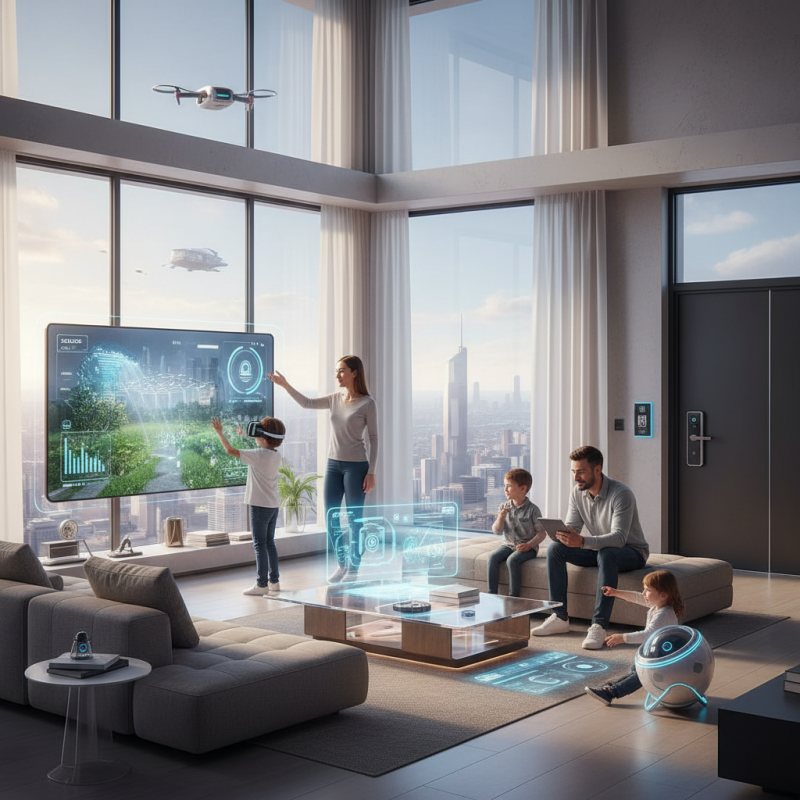
Home Automation is transforming the way we live. In 2026, its benefits are becoming more significant. People increasingly rely on smart technologies to enhance their daily lives. This shift provides convenience, energy efficiency, and improved security in homes.
Advancements in AI and IoT are driving these changes. Smart devices communicate seamlessly, making life easier. However, challenges remain. Issues like privacy and data security are crucial concerns. Homeowners must navigate these risks while embracing technology.
Embracing Home Automation can lead to a more connected lifestyle. Yet, it’s essential to reflect on whether this reliance is the best path forward. Finding a balance between convenience and security needs careful consideration.
Home Automation Overview: Definition and Core Concepts
Home automation is revolutionizing how we interact with our living spaces. It involves integrating technology to control home systems like lighting, security, and climate. This shift is not just about convenience; it's about enhancing the quality of life. According to a recent report by Statista, the global smart home market will exceed $135 billion by 2025, reflecting a growing recognition of these benefits.
Core concepts in home automation include interoperability and user-centric design. Equipment is designed to work seamlessly together. Devices can be connected via Wi-Fi or Bluetooth for streamlined operation. Moreover, user-centric design emphasizes ease of use. Simplicity in setup and control is critical. Data from Gartner predicts that by 2026, over 50% of homes will have some form of automation. This indicates a trajectory toward widespread acceptance.
Despite its advantages, challenges remain. Security concerns about data privacy are pervasive. Many users hesitate due to these fears. Additionally, the initial investment can be substantial. Potential users often weigh this against long-term savings. Real implementation requires thoughtful planning. Balancing technology with safety and usability is crucial for success.
Key Benefits of Home Automation in Modern Living
Home automation is reshaping modern living in significant ways. It enhances convenience and improves energy efficiency. With smart devices, daily tasks become seamless. Imagine adjusting your thermostat from your couch. This small act can lead to lower energy bills and a comfortable atmosphere.
Security is another vital benefit. Smart locks and cameras provide peace of mind. They offer real-time alerts and remote access. However, reliance on technology may create vulnerabilities. Cybersecurity risks need to be addressed. Can you imagine the implications of a hacked security system?
Moreover, home automation can promote sustainability. Smart devices help monitor and manage energy consumption. Homeowners can track their usage patterns. This data brings awareness and encourages responsible habits. However, it is important to reflect on the environmental impact of manufacturing these devices. Balancing smart living and ecological responsibility remains a challenge.
Emerging Trends in Home Automation Technology for 2026
The future of home automation in 2026 promises remarkable advancements. Smart home devices are expected to integrate more seamlessly with daily life. Enhanced connectivity will allow systems to communicate better, creating an environment that is responsive and intuitive. Imagine a home that adjusts lighting based on your mood or a kitchen that suggests recipes based on available ingredients.
Artificial intelligence will likely play a crucial role in this evolution. AI can analyze patterns in your behavior, automating tasks like adjusting the thermostat or scheduling maintenance checks. This level of personalization helps streamline household management. However, as homes become smarter, concerns about privacy and security will increase. Users must remain vigilant about data protection.
Energy efficiency will continue to drive innovation. Smart appliances could cut energy costs and reduce carbon footprints. Homeowners might face challenges adapting to new technologies. Education on proper usage will be vital. As we move forward, the balance between convenience and security will need careful consideration.
What is Home Automation Benefits and Trends in 2026?
| Trend | Description | Benefits | Projected Adoption Rate (%) |
| AI Integration | Integration of AI for automation and predictive analytics. | Increased efficiency and personalized user experiences. | 50% |
| Smart Energy Management | Systems for monitoring and optimizing energy usage. | Reduced energy costs and lower carbon footprint. | 65% |
| Voice Control | Use of voice-activated systems to control various devices. | Convenience and hands-free operation. | 70% |
| Home Security Enhancements | Advanced security systems including cameras and sensors. | Increased safety and peace of mind. | 75% |
| Interoperability | Devices from different manufacturers working together seamlessly. | Greater flexibility and user control over home automation. | 60% |
Integrating Smart Devices: The Future of Home Connectivity
As we look toward 2026, the future of home connectivity is reshaping daily living. Integrating smart devices into our homes offers unprecedented convenience. Imagine adjusting your home's temperature from a button on your smartphone. This level of control enhances comfort and conserves energy.
However, while smart devices promise efficiency, their integration can lead to challenges. Compatibility issues often arise, making it difficult to connect various devices seamlessly. It is essential to consider which devices work best together. Investing time in research can save you frustration later.
Tip: Keep your network secure. Choose strong passwords for your smart devices and update them regularly.
In addition, privacy concerns remain prominent. With many devices collecting data, users must be vigilant about what they share. Understanding the privacy policies of devices can prevent unwanted exposure.
Tip: Regularly review device settings to control data sharing.
As smart home technology evolves, it is essential to strike a balance between convenience and security. Thoughtful integration will lead to a more connected and enjoyable living experience.
Challenges and Considerations in Home Automation Adoption
Home automation technology is rapidly evolving, but its adoption comes with several challenges. One significant hurdle is the interoperability of devices. Many products may not communicate effectively with each other. Users often find themselves invested in one ecosystem but limited by its compatibility. This can lead to frustration and a sense of being locked into a single brand or technology.
Security concerns are another pressing issue in home automation. With more devices connected to the internet, the risk of cyber attacks increases. Homeowners must be aware of potential vulnerabilities. Regular updates and proper configurations are necessary but often overlooked. This gap in user knowledge can create a false sense of security.
Moreover, the cost of implementing smart home solutions can be daunting. Not only is there an initial investment in devices, but ongoing expenses for maintenance and upgrades can add up. Many users may not be prepared for these long-term commitments. Therefore, it is crucial for potential adopters to weigh these factors carefully before diving headfirst into smart living.