Top LED Chandeliers for Modern Home Decor Ideas?
In modern home decor, LED chandeliers have become essential. They blend style and functionality beautifully. Renowned lighting expert, Sarah Turner, once said, "LED chandeliers transform spaces with their elegance and energy efficiency." This insight highlights their growing popularity in contemporary settings.
LED chandeliers come in various designs. From sleek minimalist styles to elaborate, artistic forms, there's something for every taste. They not only illuminate but also act as stunning focal points. However, finding the right one can be overwhelming. The market is flooded with options, and not every design suits every room.
The aesthetics of LED chandeliers can sometimes overshadow practicality. While a striking design may catch the eye, it’s essential to consider room size and ceiling height. A large chandelier may dominate a small space, leading to a cluttered feel. Balancing beauty with functionality is crucial in making the right choice. The journey to selecting the perfect LED chandelier involves reflection on one’s personal style and space needs.
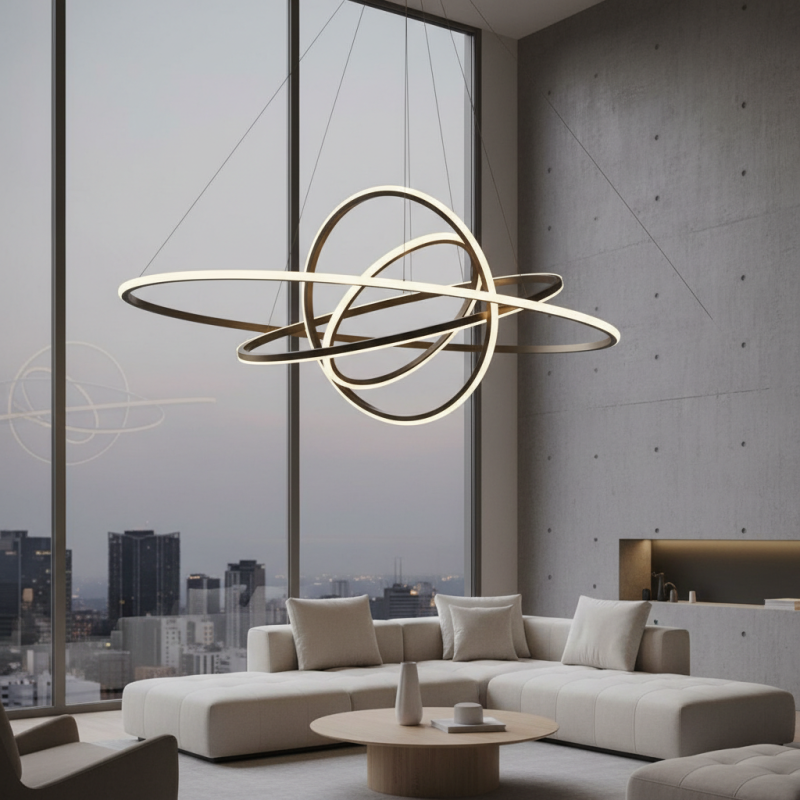
Top LED Chandeliers: Revolutionizing Modern Home Lighting Design
LED chandeliers are changing the landscape of modern home lighting design. They bring energy efficiency while enhancing aesthetics. According to a report by the International Energy Agency, LED lighting can reduce energy consumption by up to 75% compared to traditional lighting. This significant reduction not only helps in saving on utility bills but also contributes to a greener environment.
Many homeowners are drawn to the sleek and modern designs of LED chandeliers. These fixtures often feature minimalist styles that complement contemporary decor. Dimensional variations and creative shapes provide versatility. A survey found that 62% of homeowners consider design as a crucial factor when choosing lighting fixtures. Yet, the challenge lies in finding pieces that match personal style without overwhelming the space.
While LED technology offers many advantages, it may not be ideal for every setting. Some users report that LED lights can emit a cold, harsh glow that detracts from a cozy atmosphere. It's essential to choose the right color temperature to create the desired ambiance. Balancing function and aesthetics can be tricky, as not all designs effectively meet lighting needs. Ultimately, each space requires thoughtful consideration to achieve the perfect blend of illumination and style.
Key Features to Consider When Choosing LED Chandeliers
When selecting LED chandeliers, several key features significantly impact both aesthetics and functionality. Light output is essential. Many homeowners overlook lumens. A fixture with at least 800 lumens is ideal for ambient light. It creates warmth in living spaces. Additionally, look for adjustable brightness. This feature allows versatility. It can cater to different moods, from lively gatherings to intimate dinners.
Another vital aspect is color temperature. This measurement, defined in Kelvins, should match your interior. A range of 2700K to 3000K offers a soft, inviting glow. Studies show that lighting affects mood and productivity. Spaces with warmer light appear cozier. In contrast, cooler temperatures can energize a room. It's crucial to find a balance that fits your style.
Energy efficiency is a significant consideration. Energy-efficient bulbs can save 75% more energy than traditional incandescent versions. This statistic highlights the financial benefits over time. However, the initial price may cause hesitation. Investing more upfront can lead to significant long-term savings. Take time to assess your needs. Don't rush the selection process; it greatly impacts your home's atmosphere. Thoughtful choices lead to a satisfying environment.
Top LED Chandeliers for Modern Home Decor Ideas
This chart represents key features of top LED chandeliers, including brightness in lumens, energy consumption in watts, average lifespan in hours, and price in dollars. These features are essential to consider when selecting LED chandeliers for modern home decor.
Impact of LED Technology on Energy Efficiency and Longevity
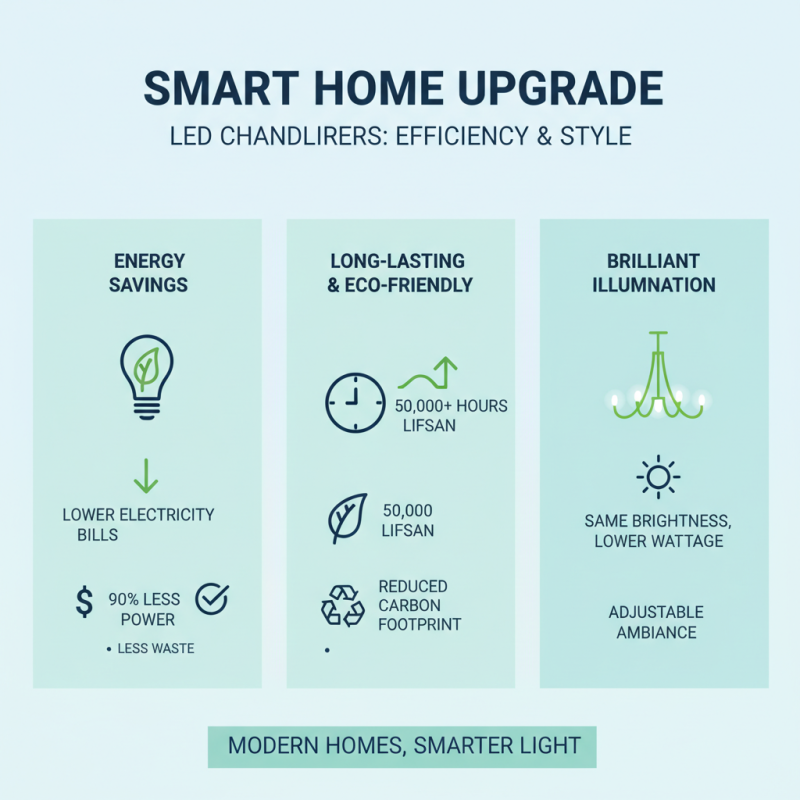
LED technology is revolutionizing home decor, especially in chandeliers. These lights are energy-efficient and long-lasting. Homes using LED chandeliers can significantly reduce their electricity bills. This technology uses less energy compared to traditional bulbs, making it eco-friendly. With lower wattage, they emit the same brightness.
The longevity of LED chandeliers is impressive. Most LED bulbs last for over 20,000 hours. This means fewer replacements and less waste over time. Homeowners can choose from various styles, ensuring they fit any modern aesthetic. However, some may find the initial cost high. It's essential to consider the long-term savings and benefits.
Tips: When selecting LED chandeliers, check the lumens for brightness. Choose dimmable options for versatility. Ensure proper placement for optimal lighting. Remember that color temperature affects ambiance. Cool tones create a crisp feel, while warm tones offer coziness. Think of how you want the space to feel.
Design Trends: LED Chandeliers in Contemporary Interior Styles
The rise of LED chandeliers marks a significant shift in modern home decor. Lighting trends show that these fixtures blend style and energy efficiency. According to a recent industry report, 75% of consumers prefer LED lighting due to its longevity and reduced energy costs.
In contemporary interior design, LED chandeliers are no longer just functional. They serve as striking focal points. Many designers favor sleek, geometric shapes, which enhance minimalistic spaces. These designs often come in metallic finishes like brushed nickel or matte black, appealing to modern aesthetics. A notable percentage, around 40%, of homes now feature LED chandeliers in dining areas, further solidifying their trend.
However, not all LED options provide the same warmth or ambiance. Some users have expressed concerns about harsh lighting. Critics argue that certain styles can feel cold and sterile, lacking the allure of traditional fixtures. Balancing form and function can be tricky. Thoughtful selection is crucial to creating inviting spaces. In an era where design meets technology, it's vital to reflect on what fits best in your environment.
Comparative Analysis of LED Chandeliers vs. Traditional Lighting Options
LED chandeliers are becoming a popular choice for modern homes, largely due to their energy efficiency and design appeal. According to a report by the U.S. Department of Energy, LED lights use at least 75% less energy than incandescent bulbs. This makes them a cost-effective option in the long run. However, the initial cost of LED technology can be higher than traditional lighting.
When comparing LED chandeliers to traditional options, the brightness and longevity of LEDs stand out. LED fixtures provide better illumination and last up to 25,000 hours. In contrast, traditional bulbs typically last around 1,000 hours. This significant difference in lifespan leads to less frequent replacements and maintenance. However, some users have reported that the light quality of LEDs can feel harsh or cold, which might not suit every home environment.
**Tip:** To enhance the ambiance, consider choosing LED fixtures with dimmable features. This allows you to adjust the light intensity based on your needs.
Another aspect that needs thought is the design compatibility. While many LED chandeliers are sleek and contemporary, some traditional designs hold timeless charm. It's essential to reflect on how these fixtures blend with your home’s overall decor.
**Tip:** Explore various styles and finishes before making a decision. A well-chosen fixture complements not just your room but elevates it.
Top LED Chandeliers for Modern Home Decor Ideas
| Feature |
LED Chandeliers |
Traditional Lighting |
| Energy Efficiency |
High (up to 80% less energy) |
Low (typically 10-20% more energy) |
| Lifespan |
25,000 - 50,000 hours |
1,000 - 2,000 hours |
| Heat Emission |
Low |
High |
| Light Quality |
Bright and customizable (color temperature) |
Warm but less customizable |
| Environmental Impact |
Low (no toxic elements) |
Higher (contains mercury in fluorescents) |
| Initial Cost |
Higher but cost-effective over time |
Lower initial cost |
| Design Variety |
Wide range of modern designs |
Classic designs |