What Are Nose Strips For Snoring and Do They Really Work?
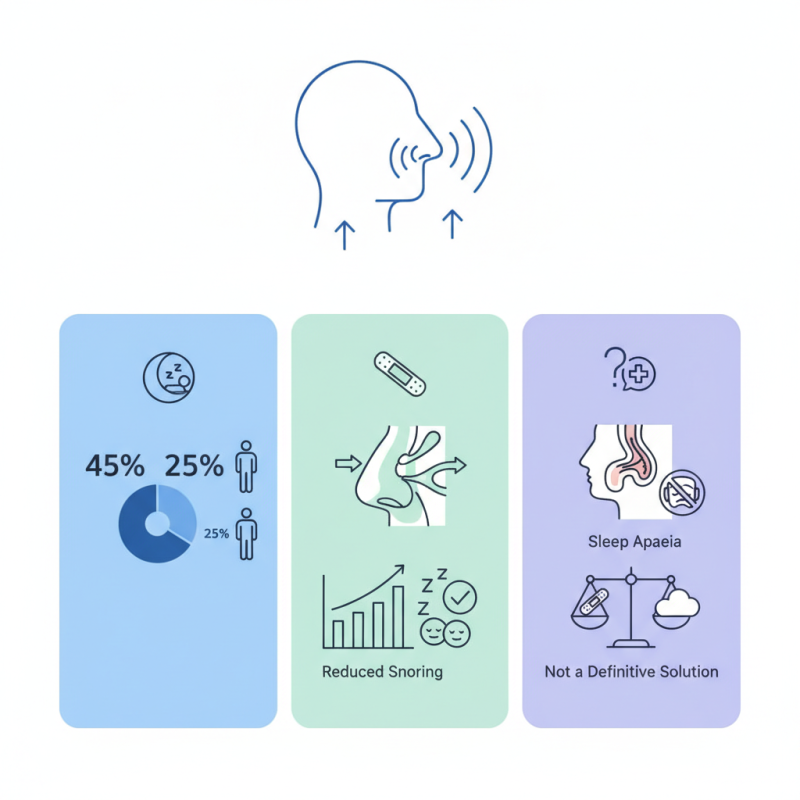
Nose Strips For Snoring have gained popularity as a potential solution for nighttime disturbances. According to the American Academy of Sleep Medicine, around 45% of adults snore occasionally, while 25% snore regularly. This alarming statistic highlights the widespread nature of snoring, affecting countless partners and families.
Many consumers turn to nose strips for snoring as a simple and non-invasive option. These adhesive strips are designed to open nasal passages, improving airflow. Reports suggest that they can significantly reduce snoring in some users. However, effectiveness varies individually, and many factors can contribute to snoring.
While some users may experience relief, it’s important to approach nose strips with realistic expectations. They may not address underlying conditions like sleep apnea, which affects about 22 million Americans. Understanding these nuances can lead to better management of snoring. Overall, nose strips for snoring appear to be a practical aid, but they may not be a definitive solution for everyone.
What are Nose Strips and How Do They Function for Snoring?
Nose strips for snoring are practical tools designed to enhance nasal airflow. They are typically made of a flexible, adhesive strip. When applied to the outside of the nose, these strips physically open the nostrils. This action enlarges the nasal passages, making it easier to breathe during sleep. Many users report a noticeable difference in their snoring habits after using these strips.
However, the effectiveness of nose strips can vary among individuals. Some find significant relief, while others may notice little to no change. Various factors, such as nasal congestion or anatomical differences, can influence their performance. Nose strips are generally safe but may lead to skin irritation for some. It's essential to monitor any reactions and adjust use accordingly.
While these strips can help improve airflow, they may not address the root causes of snoring. Conditions like sleep apnea require more comprehensive solutions. Consulting a healthcare professional is advisable for persistent snoring issues. Listening to your body and reflecting on your experiences can lead to better choices for enhancing sleep quality.
The Science Behind Snoring and Its Causes
Snoring affects nearly 90 million adults in the U.S., according to the American Academy of Sleep Medicine. Understanding its causes can help address the issue effectively. Snoring typically occurs when airflow through the mouth and nose is partially obstructed during sleep. This obstruction can arise from various factors, such as nasal congestion, a thick soft palate, or even being overweight. The presence of extra tissue can lead to increased vibration of the throat muscles, resulting in that familiar sound.
Several sleep studies highlight that snoring is not just a nuisance; it can lead to serious health issues. Chronic snoring may indicate obstructive sleep apnea, a condition that affects about 10% to 30% of adults. This condition can lead to sleep deprivation, fatigue, and cardiovascular problems. In some cases, structural abnormalities in the nasal or oral cavity can contribute to increased snoring. It's essential to consider these implications and seek professional guidance if snoring persists.
Tips: Weight loss and positional therapy can significantly reduce snoring. Additionally, consider nasal strips that may alleviate nasal congestion during sleep. Creating a sleep-friendly environment, like using humidifiers, can also help open airways. However, individual results may vary; personal observation is key for effective solutions.
What Are Nose Strips For Snoring and Do They Really Work? - The Science Behind Snoring and Its Causes
| Causes of Snoring | Impact | Solutions | Effectiveness of Nose Strips |
| Obesity | Increased throat tissue | Weight loss, lifestyle changes | Moderately effective for nasal breathing issues |
| Nasal congestion | Difficulty breathing through the nose | Decongestants, humidifiers | Effective when congestion is the primary cause |
| Sleep position | Airway blockage | Change sleeping position | Not effective for positional snoring |
| Alcohol consumption | Relaxation of throat muscles | Reduce alcohol intake | Variable effectiveness |
| Aging | Weakened throat muscles | Throat exercises, medical interventions | Limited effectiveness |
Effectiveness of Nose Strips in Reducing Snoring
Nose strips are designed to help with snoring by opening nasal passages. They work by using a flexible adhesive that lifts the nostrils. This process reduces nasal resistance, which can greatly improve airflow. Many users report a noticeable decrease in snoring when using these strips. However, they may not be effective for everyone. Results often depend on the cause of snoring.
Tips for better results include using the strips consistently each night. This will help your body adjust and may enhance their effectiveness. Additionally, maintain a clear nasal passage before applying the strip. Saline sprays can help if congestion is a problem. Regularly cleaning your nasal passages might also support better airflow.
Some users find that strips can feel uncomfortable or come off during the night. This could lead to frustration and inconsistency in usage. It's essential to find a comfortable fit for optimal results. If snoring persists, it may be wise to consult a medical professional. Exploring other remedies could provide a more comprehensive solution for your snoring issues.
Comparative Analysis: Nose Strips vs. Other Anti-Snoring Solutions
Nose strips for snoring have emerged as a popular solution for alleviating nighttime breathing issues. These adhesive strips fit over the nose and work by physically opening the nostrils. Research indicates that approximately 30% of adults suffer from snoring, which can disrupt sleep patterns for both the snorer and their partner. This statistic highlights the widespread need for effective remedies.
When comparing nose strips to other anti-snoring solutions, it becomes evident that each method has unique advantages. A survey by sleep experts suggests that while chin straps and mouthguards can address throat constriction, they may be uncomfortable for some users. Nose strips, on the other hand, provide a non-invasive alternative. They are easy to apply and very portable, which makes them appealing for travelers. However, their effectiveness can vary widely. Some users report significant relief, while others see little improvement.
While scientific studies affirm that nasal dilators like strips can enhance airflow, they may not tackle the root causes of snoring. This raises questions about their long-term efficacy. Evaluating individual needs is crucial. Personal preferences and specific health conditions substantially influence what may work best. Therefore, it’s essential to explore various options before settling on a method.
User Experiences and Testimonials Regarding Nose Strips for Snoring
Many users have turned to nose strips as a remedy for snoring. Testimonies reveal a mix of experiences. One user shared that they noticed a slight reduction in snoring after using the strips. However, others reported minimal change in their snoring patterns. These strips aim to improve airflow through the nasal passages. This can theoretically make breathing easier during sleep.
A study published by the American Academy of Sleep Medicine found that nasal obstruction is a common cause of snoring. The research highlighted that nasal strips can enhance airflow by physically widening the nostrils. Yet, these benefits can vary significantly from person to person. While some users find relief, others note little to no improvement.
User testimonials also reflect diverse outcomes. A community forum's survey revealed that approximately 30% of respondents felt the strips helped them. Contrastingly, around 50% reported no noticeable difference. This variability leaves many users questioning their effectiveness. Some began considering alternative methods after disappointing results with nose strips.
Nose Strips for Snoring: User Feedback and Effectiveness