What is Red Light Therapy and How Does It Work?
Red Light Therapy (RLT) has gained attention for its potential benefits in various health fields. Research indicates that RLT may aid in wound healing and pain reduction. A report by the Global Wellness Institute suggests that the RLT market could reach $1 billion by 2025. This trend reflects growing interest in natural healing methods.
Dr. Michael Hamblin, a renowned expert in the field, states, “Red Light Therapy can rejuvenate skin and reduce inflammation effectively.” His insights highlight the therapy's value in skin care and recovery. However, not all studies show consistent results. Some claim limited benefits, prompting further investigation.
Critics argue that more robust clinical trials are necessary to cement RLT's reputation. While some applications appear promising, skepticism remains. The journey to fully understanding Red Light Therapy’s effectiveness continues, inviting both enthusiasm and caution. As the field evolves, it will be crucial to analyze both positive and negative outcomes.
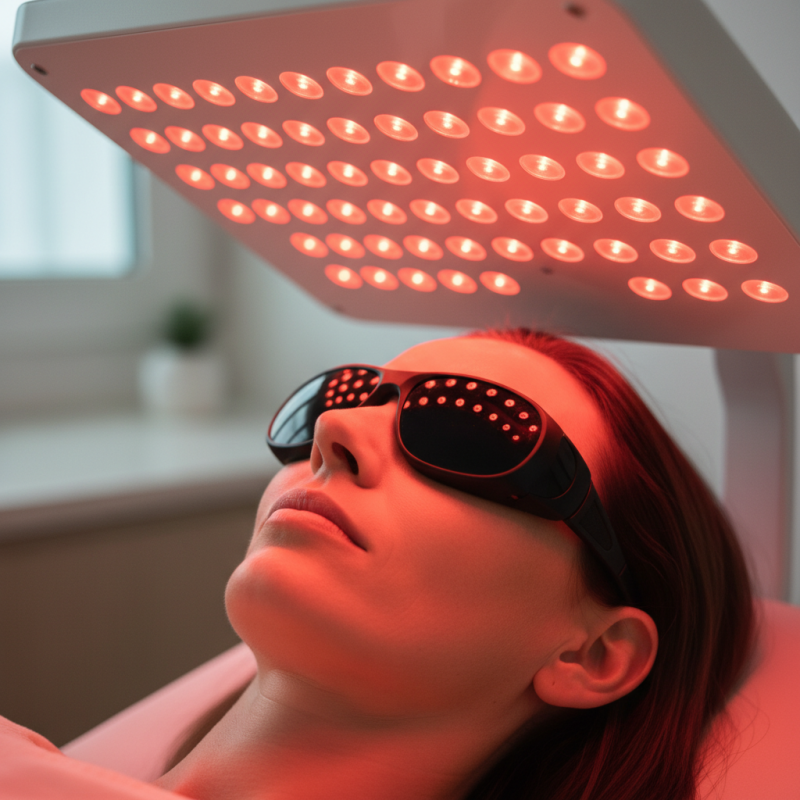
Definition and Overview of Red Light Therapy
Red light therapy (RLT) is a treatment that uses low-level wavelengths of red light. It aims to heal the skin and increase cellular function. This therapy is non-invasive and painless. Many people seek it for various reasons, such as reducing wrinkles or speeding up healing.
When applied to the skin, red light penetrates layers effectively. It stimulates mitochondria, the powerhouse of cells. This process can lead to increased energy production. People report feeling rejuvenated after sessions. However, results can vary. Some may see significant improvements, while others might not notice much difference. The inconsistency raises questions about its overall effectiveness.
Despite its popularity, RLT isn’t a miracle cure. It may need to be combined with other treatments for best results. Furthermore, like any therapy, it requires careful consideration. Those interested should research thoroughly. It’s essential to weigh potential benefits against individual history. This proactive approach can help set realistic expectations.
What is Red Light Therapy and How Does It Work? - Definition and Overview of Red Light Therapy
| Aspect | Description |
| Definition | Red Light Therapy (RLT) is a treatment that uses low wavelength red light to promote healing and reduce inflammation. |
| Mechanism | RLT works by stimulating the mitochondria in cells, enhancing energy production and cellular repair. |
| Benefits | It can aid in wound healing, reduce pain, improve skin health, and enhance muscle recovery. |
| Applications | Used in dermatology, sports medicine, and physical therapy. |
| Safety | Generally considered safe with minimal side effects; however, eye protection is recommended during treatment. |
| Session Duration | Sessions typically last between 10 to 30 minutes, depending on the treatment area. |
| Frequency | Recommended frequencies vary from a few times a week to several times a day, based on individual needs. |
Mechanism of Action: How Red Light Affects Cells
Red light therapy harnesses wavelengths of light, typically ranging from 600 to 1000 nanometers. This specific range is thought to penetrate the skin effectively, reaching deeper tissues. When red light hits cells, it influences their behavior. It primarily activates the mitochondria, the powerhouse of the cell. Mitochondria convert light energy into chemical energy. This process enhances cellular metabolism.
As cells absorb red light, there’s an increase in ATP production. ATP is vital for cell function and energy. Higher energy levels may lead to improved healing and recovery. Additionally, red light exposure can stimulate collagen production. Collagen is essential for skin health and elasticity. Overall, these changes can lead to reduced inflammation and pain relief.
However, the response to red light therapy can vary among individuals. Some may notice quick results, while others might take longer. Factors such as skin type and health conditions can impact effectiveness. This highlights a crucial aspect of therapy: results are not guaranteed for everyone. Understanding the nuances of how red light affects cells can guide proper usage and expectations.
Effects of Red Light Therapy on Cellular Functions
This chart illustrates the effects of red light therapy on various cellular functions, showcasing the percentage increase in cell activity after exposure to red light at specific wavelengths. Research indicates that red light has a positive impact on cellular regeneration and healing.
Applications of Red Light Therapy in Medicine and Wellness
Red light therapy has gained popularity in various medical and wellness applications. This non-invasive treatment uses specific wavelengths of light to promote healing. Doctors often recommend it for skin issues, such as acne and scars. It can also aid muscle recovery after intense workouts. Many people are intrigued by its potential benefits.
One interesting application is in pain management. Red light can reduce inflammation and pain in conditions like arthritis. It's thought to improve blood flow, which promotes healing. However, results can vary. Some people notice significant improvements, while others feel little change. It's essential to approach red light therapy with realistic expectations.
Tips for using red light therapy effectively include starting with short sessions. Begin with five to ten minutes daily. Pay attention to how your body responds. You might need to adjust the duration or frequency. Consider combining therapy with other wellness practices like gentle exercise or proper hydration. These habits can enhance the overall effect. Remember that individual responses vary widely, so keep an open mind as you explore this therapy.
Potential Benefits and Side Effects of Red Light Therapy
Red light therapy (RLT) has captured attention for its potential benefits. Many users report improvements in skin health, such as reduced wrinkles and acne scars. Some believe it promotes hair growth, while others find relief from joint pain. These benefits stem from the therapy's ability to stimulate cellular repair.
However, it is essential to approach RLT with caution. Side effects can include temporary redness and irritation. Users may experience discomfort during treatment. Individual reactions vary, and not everyone benefits equally. It's crucial to consider personal health conditions before trying red light therapy.
Like any treatment, RLT is not a one-size-fits-all solution. Some may see quick results, while others may need time. Always listen to your body and consult professionals. The journey of discovering what works can be filled with adjustments and learning experiences. Understanding these nuances is vital for anyone considering this therapy.
Current Research and Future Directions in Red Light Therapy
Red light therapy (RLT) is gaining traction in both clinical and home settings. Current research shows promising applications in healing and aging skin. Studies indicate that RLT can support cellular function, aiding in tissue repair. It may also help reduce inflammation. Though the science is promising, not all findings are conclusive.
Future directions in red light therapy explore its potential in mental health. Some researchers investigate its effects on mood and cognitive function. Emerging evidence suggests RLT might alleviate symptoms of anxiety and depression. These developments show the versatility of light therapy, but more study is necessary.
Tips: If you're considering RLT, start with short sessions. Monitor your body's response. Remember, this therapy is not a cure-all. It's important to have realistic expectations. Always combine RLT with a healthy lifestyle for the best results.