Ultimate Tips for Choosing the Best Lighting Fixtures?
Choosing the right lighting fixtures is crucial for enhancing spaces. According to the 2022 report by the International Association of Lighting Designers, consumers spent over $10 billion on lighting fixtures last year. This figure highlights the importance of quality choices. Expert Ellen Weiss, a renowned lighting consultant, once stated, “The right lighting can transform an ordinary space into something extraordinary.”
In today’s market, numerous options exist. From contemporary designs to classic styles, the choices can be overwhelming. Consumers often make hasty decisions, which may lead to dissatisfaction. Studies show that improper lighting can negatively affect mood and productivity. So, understanding the nuances of lighting fixtures is essential.
Selecting appropriate lighting fixtures involves considering several factors. The size of the room, ceiling height, and existing décor all play roles. Improper sizing can lead to a cluttered or sparse look. In a survey by the Lighting Research Center, 70% of homeowners indicated they regretted their choice of fixtures. Quality should not be compromised for aesthetics alone. Thoughtful decisions can greatly enhance the livability of any space.
Understanding Different Types of Lighting Fixtures and Their Functions
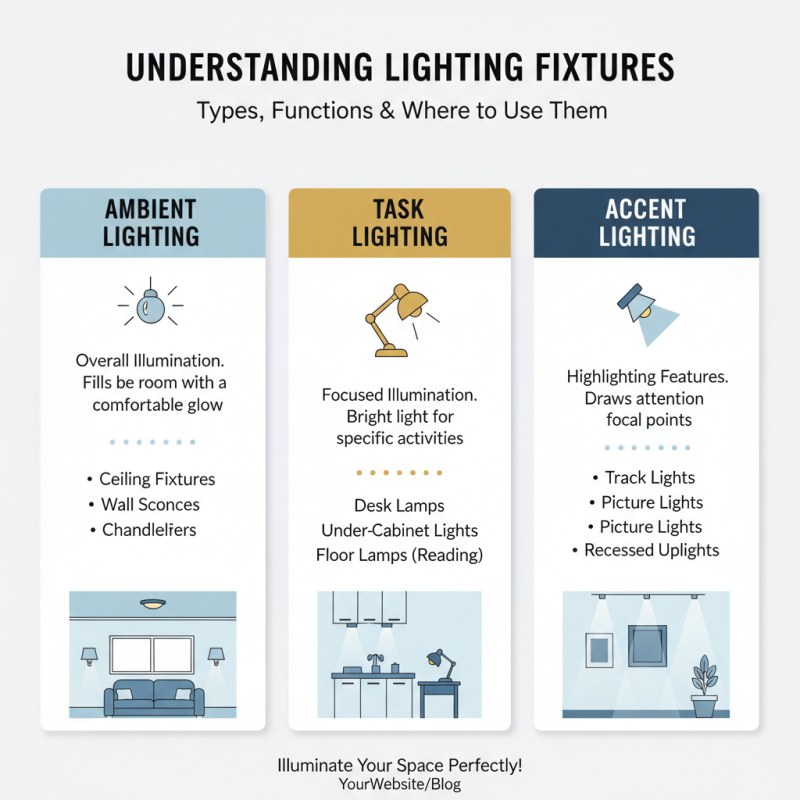
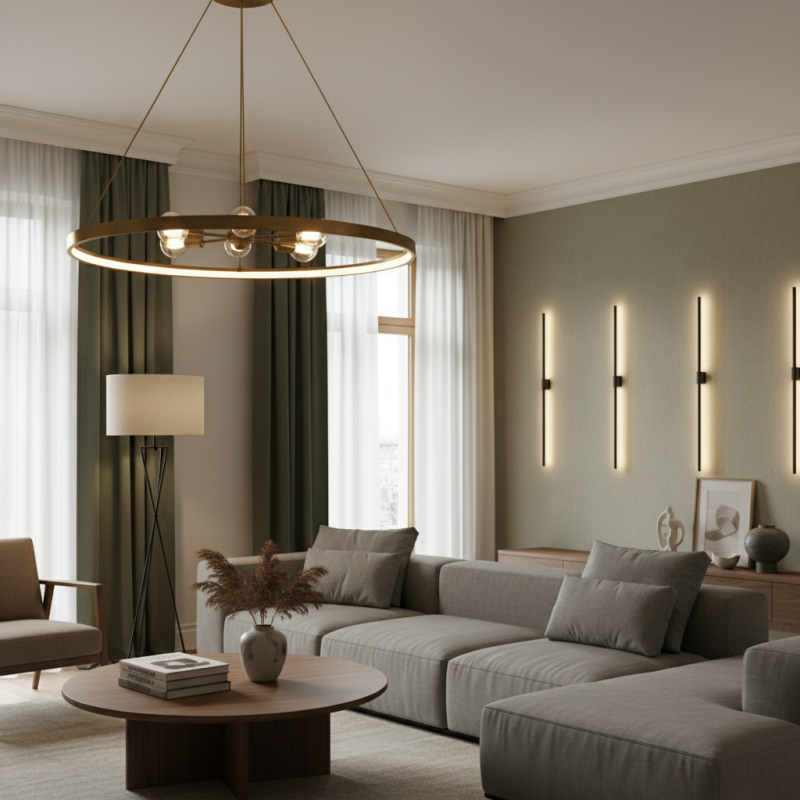
Choosing the right lighting fixtures can transform any space. Each type comes with unique functions, making it essential to understand their roles. For instance, ambient lighting provides overall illumination. This can be achieved with ceiling fixtures or wall sconces. Task lighting, like desk lamps or under-cabinet lights, focuses on specific areas for tasks. Accent lighting emphasizes artwork or architectural features.
When selecting fixtures, consider their purpose. Ask yourself: “What do I want to achieve?” Use fixtures that complement your decor and provide adequate light. It’s crucial to match the style and brightness to your needs. Experimenting may lead to unexpected but delightful results.
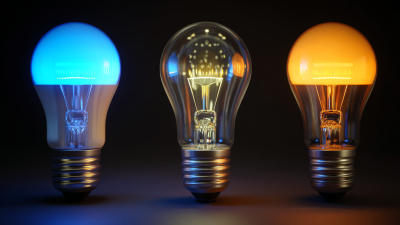
One common mistake is neglecting the bulb type. LED bulbs offer energy efficiency and longevity, while incandescent bulbs provide warm light. Choose based on effectiveness rather than just aesthetics. Remember to reflect on your choices. Sometimes, less is more. Adopting a layer of lights can create depth but may overwhelm a small room. Balancing these elements is key to effective lighting design.
Factors to Consider When Selecting Lighting Fixtures for Your Space
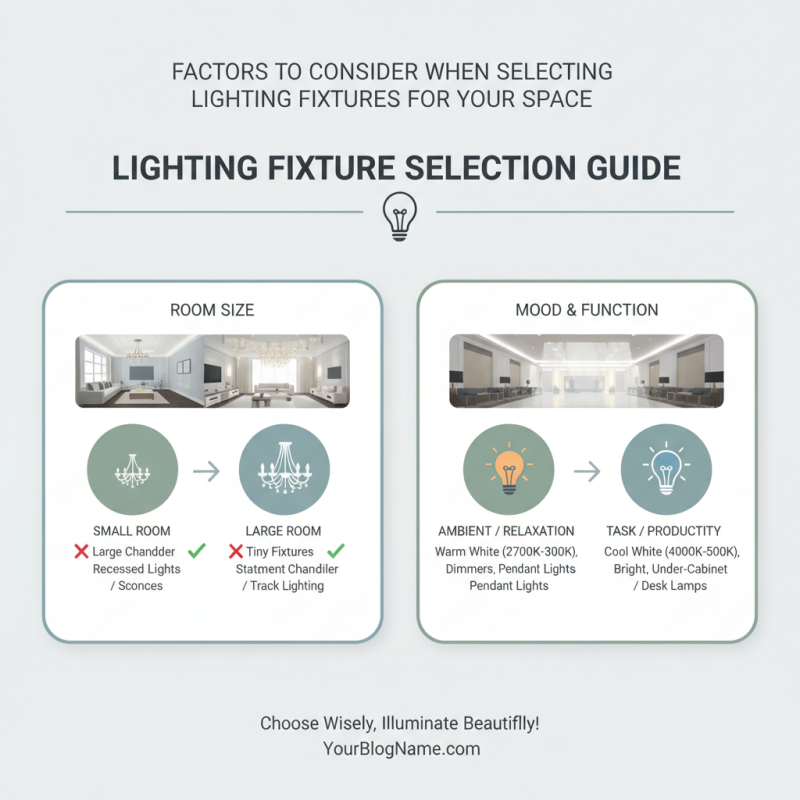
Choosing the right lighting fixtures can dramatically change the mood of a space. When selecting fixtures, consider the size of the room. A large chandelier in a small room can overwhelm the area. Conversely, tiny fixtures in a spacious room may fail to provide adequate light.
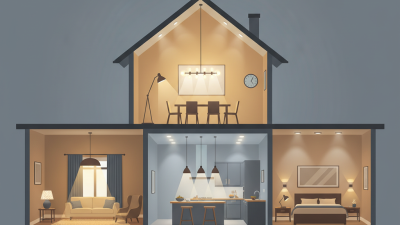
Think about the purpose of each space. Ambient lighting creates a warm atmosphere, while task lighting is essential in workspaces. A well-lit kitchen might need bright, focused fixtures, while a bedroom benefits from soft, warm lights.
Don’t forget the style. Your lighting should complement your furniture and decor. Modern fixtures might clash in a traditional setting. Choose designs that enhance your space. Mixing different styles can create an interesting visual contrast. Experiment, but do not overcomplicate the look. Balance is key.
The Importance of Style and Aesthetics in Lighting Design
Lighting plays a crucial role in defining the style of any space. The right fixtures enhance decor and create an inviting atmosphere. A beautifully designed lamp or chandelier can serve as a focal point in a room. When selecting fixtures, consider how they will complement existing decor. Sometimes, a mismatched piece can disrupt the harmony of a space, leading to a less than ideal design.
Aesthetic choices in lighting are often overlooked. Many people focus solely on brightness or functionality. However, style is essential; it reflects personal taste. A minimalist fixture adds elegance, while a vintage piece can evoke nostalgia. Experimenting with different styles can be enlightening. Take time to assess how new lights interact with colors and textures in your home. Finding the perfect balance may require multiple tries; the journey can be insightful.
Lighting should not just illuminate. It should tell a story. The emotional impact of light influences how we feel in a space. Consider the feelings each fixture evokes. If a light feels harsh or overbearing, its aesthetic falls short. Remember, imperfections can lead to creative solutions. Embrace the process of finding what truly resonates with your space.
Ultimate Tips for Choosing the Best Lighting Fixtures
| Aspect |
Tip |
Description |
| Style |
Identify Your Aesthetic |
Match lighting fixtures with your interior design theme, whether modern, rustic, or eclectic. |
| Function |
Choose the Right Type of Lighting |
Consider ambient, task, and accent lighting to create a balanced atmosphere. |
| Size |
Scale and Proportion |
Select fixtures that are proportionate to the size of the room and furniture to ensure harmony. |
| Energy Efficiency |
Opt for LED Fixtures |
Choose energy-efficient lighting options that save electricity and last longer. |
| Installation |
Consider Professional Installation |
Hire a specialist for installation to ensure safety and proper setup, especially for complex fixtures. |
| Budget |
Set a Realistic Budget |
Establish a budget that allows for quality fixtures without overspending. |
Energy Efficiency and Sustainability in Lighting Choices
Choosing lighting fixtures with energy efficiency and sustainability in mind is essential for modern homes. Many fixtures today use LED technology, which consumes significantly less energy compared to traditional bulbs. This not only lowers electricity bills but also reduces carbon footprints. The choice of fixtures can make a substantial impact on overall energy usage.
Consider the materials used in light fixtures. Opt for products made from recycled or sustainable materials, such as bamboo or reclaimed metal. These materials often offer durability and a unique aesthetic. However, it’s crucial to research the sourcing of these materials. Some producers may claim sustainability while lacking transparency in their practices.
Think about the long-term benefits of energy-efficient lighting. While the initial cost may be higher, the longevity and savings on energy bills can outweigh that expense. Reflect on your consumption habits. Are the lights you choose truly serving your needs? This mindfulness can lead to not only cost savings but also a positive impact on the environment.
Ultimate Tips for Choosing the Best Lighting Fixtures: Energy Efficiency and Sustainability in Lighting Choices
Placement and Installation Tips for Optimal Lighting Effects
When it comes to lighting, placement is key.
Positioning fixtures at varying heights creates dimension. Wall sconces, for instance, can illuminate artwork.
They're also great for highlighting architectural details. Ceiling fixtures add brightness but may not effectively showcase textures.
Consider the room’s purpose when installing lights.
In a cozy reading nook, softer light is beneficial. Overhead lighting may be too harsh for relaxation.
Aim for a balance of task and ambient lighting to enhance functionality.
Layering lights can transform your space beautifully.
Installation is another critical aspect.
Ensure fixtures are securely mounted and at appropriate heights. An inadequate installation can lead to uneven lighting.
It's essential to test various angles to avoid glare. Sometimes, you might realize that a central fixture
overshadows other sources. Reflecting on light placement helps to achieve a welcoming atmosphere.