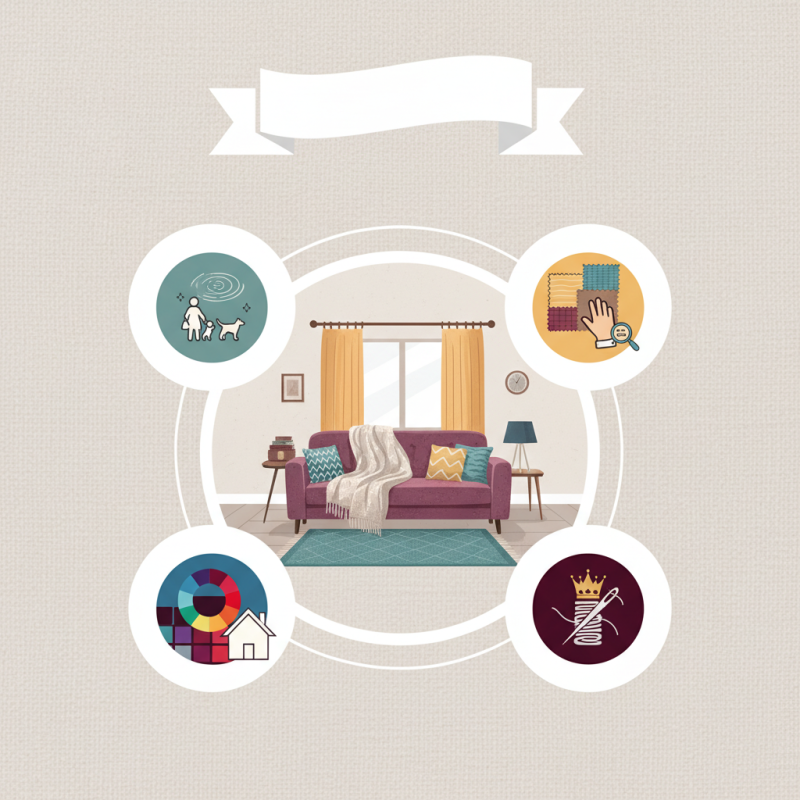
Essential Tips for Choosing Home Textile Fabric?
Choosing the right home textile fabric can transform your living space. It affects both comfort and aesthetics. With countless options available, the selection process may feel overwhelming.
Consider your lifestyle when selecting home textile fabric. For example, if you have pets or children, durability is key. Fabrics like microfiber or canvas are easy to clean. However, they may lack the softness of natural fibers. Pay attention to the fabric's texture and pattern as well. A rough texture may not be suitable for a cozy living area.
Think about how the fabric fits into your home's overall design. A bold color can serve as a focal point. Conversely, a neutral shade may blend into the background. Experimentation may help in finding the perfect combination. Remember that the fabric's quality often affects both its appearance and longevity. When unsure, seeking professional advice can ease your decision-making process.
Understanding Different Types of Home Textile Fabrics
When choosing home textile fabrics, understanding the types available is crucial. Cotton is often favored for its softness and breathability. It’s versatile and works well for curtains, upholstery, and bedding. However, not all cotton is equal. Sometimes, lower quality cotton can fade quickly or wear out faster.
Linen is another popular choice known for its durability and natural appeal. It has a unique texture that brings character to any room. Yet, it wrinkles easily, which may be a concern for some. Additionally, silk offers a luxurious feel but requires special care. It can be quite delicate and may not withstand heavy use.
Synthetic fabrics like polyester are also common. They are often resistant to stains and fading, making them practical. However, they may lack the breathability of natural fabrics. It's important to consider the room's purpose and how often the fabric will be used. Choosing the right textile can enhance comfort and aesthetics but requires careful thought. Each fabric has its strengths and weaknesses, which should guide your decision-making process.
Essential Tips for Choosing Home Textile Fabric
| Fabric Type | Composition | Durability | Care Instructions | Best Use |
| Cotton | 100% Cotton | Moderate | Machine wash warm | Curtains, Upholstery |
| Linen | 100% Linen | High | Dry clean recommended | Tablecloths, Bedding |
| Polyester | 100% Polyester | Very High | Machine wash cold | Active Wear, Home Decor |
| Silk | 100% Silk | Low | Dry clean only | Bedding, Decorative Pillows |
| Wool | 100% Wool | High | Dry clean preferred | Throws, Rugs |
Evaluating Fabric Durability and Maintenance Requirements
When selecting home textile fabrics, durability and maintenance are crucial factors. Fabrics must withstand everyday use while maintaining their appearance. Reports indicate that synthetic fibers, such as polyester, can be 30% more durable than natural fibers. They resist fading, wrinkles, and stains effectively. However, some users report synthetic fabrics can feel less breathable.
In contrast, natural fibers like cotton and linen provide breathability, enhancing comfort. Yet, their durability may not match that of synthetics. Cotton can lose strength when wet, and laundering can cause shrinkage. A surprising 25% of consumers express dissatisfaction with the upkeep of cotton textiles. Often, they require specialized cleaning, which adds to long-term costs.
Consider factors like weave and thickness, too. A tightly woven fabric is typically more durable. However, it might trap heat, making it uncomfortable in warm climates. Furthermore, lighter fabrics may wear out faster, especially in high-traffic areas. Understand your priorities: comfort or longevity? This choice shapes your experience with home textiles.
Considering Color, Pattern, and Style for Your Home Decor
Choosing the right fabric for home textiles greatly influences your decor. Color plays a vital role in setting the mood. For instance, warm tones like reds and yellows can energize a space. In contrast, cooler shades like blues and greens evoke calmness. According to a study by the Color Marketing Group, colors significantly affect consumer behavior. Almost 85% of shoppers base their decisions on color.
Patterns can enhance your decor while adding depth. Bold prints may become the focal point in a room. However, they can also overpower small spaces. Opt for subtle patterns to maintain balance. The trend report from the Interior Design Association highlights that geometric designs and florals will dominate this year. These choices can create a sense of flow, connecting various elements within your room.
Style is crucial in ensuring harmony. Modern, minimalist styles require fabrics that align with their clean lines. Conversely, traditional decor often welcomes rich textures and deeper shades. According to the American Home Furnishings Alliance, more than 70% of consumers look for textiles that reflect their personal style. Many struggle to combine different styles effectively. Experimenting can lead to unexpected but gratifying results, inviting a unique touch to your home.
Testing Comfort and Feel of Fabrics Before Purchase
When selecting home textile fabric, comfort and feel are crucial. Fabrics can drastically affect the atmosphere of a space. A report by the Textile World highlights that 65% of consumers prioritize comfort in their home textiles. This emphasizes the need to test fabrics before making a purchase.
Feel the fabric against your skin. Softness can make or break your experience. Pay attention to how it drapes and responds to movement. The texture is essential; rough or scratchy fabrics may deter you from relaxing. Additionally, consider water absorption levels. Fabrics should feel breathable, promoting air circulation during various situations.
Tips: Always check the weight of the fabric. Heavier materials often suggest durability. Don’t shy away from multiple textures. Combining different fabrics can enhance a room's comfort level. Lastly, don't overlook the importance of washing and maintenance. Fabrics that show wear quickly may not be worth the investment. Reflecting on these factors can lead to smarter buying choices.
Budgeting for Quality: Cost vs. Value in Fabric Selection
Choosing home textile fabric is a task often taken lightly, but budgeting can make a significant difference. Many assume that inexpensive fabrics are always a deal. In reality, you might end up spending more in the long run. Quality matters. Use this insight to guide your choices.
When selecting fabric, always consider its durability. A cheaper option might wear out quickly. This could lead to frequent replacements. Look for materials that offer longevity and comfort. Soft cotton, for example, is often a good choice. It’s both breathable and resilient.
Think about the fabric's maintenance as well. Some may require special cleaning. This can raise costs over time. Research care instructions before purchasing. In the end, it’s not just about spending less. It’s about getting the best value for your investment.