2026 Top Bamboo Finisher Guide for Global Buyers
The global demand for bamboo products is skyrocketing, with a projected market growth rate of 15% annually over the next five years. This surge is driven by increasing consumer awareness of sustainable materials and eco-friendly practices. In this context, the role of a Bamboo Finisher has become crucial for ensuring both quality and aesthetics in bamboo products.
According to Dr. Samuel Chen, a leading expert in bamboo technology, "The finesse of bamboo finishing can significantly enhance product value and sustainability." His insights highlight the importance of skilled finishing techniques in meeting global standards. However, the industry faces challenges such as inconsistent quality and a lack of standardization in bamboo finishing processes.
As buyers navigate the bamboo supply chain, understanding the intricacies of bamboo finishing becomes essential. The industry needs to address these hurdles to achieve optimal product quality. Moreover, buyers should remain vigilant and seek out reliable sources to ensure they receive the best finishing solutions available. This guide will equip you with the necessary knowledge to make informed decisions in the evolving bamboo market.
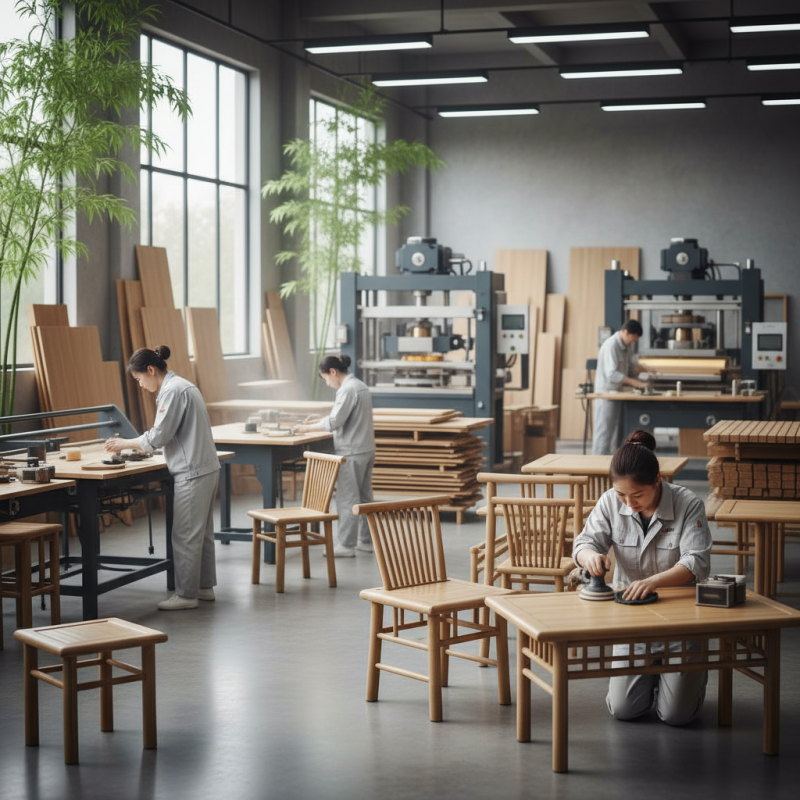
Understanding Bamboo Finishing: A Comprehensive Overview
Bamboo finishing is vital for enhancing the natural beauty of this versatile material. Understanding the finishing processes helps global buyers make informed decisions. The finish not only protects bamboo but also adds to its aesthetic appeal.
Different techniques exist, such as oil, lacquer, and polyurethane. Each method impacts the appearance and durability differently. Oil finishes can highlight bamboo's natural grain. Lacquer provides a glossy look, while polyurethane offers robust surface protection. However, choosing the right finish can be challenging. It requires consideration of the bamboo's intended use and environmental factors.
Testing finishes on sample pieces is crucial. Some finishes might not adhere well or could alter the color drastically. Regular maintenance can also prove to be a hurdle for many users. Various finishes wear differently over time, affecting their longevity. Buyers should educate themselves about care instructions. Understanding these factors ensures a successful bamboo finishing experience.
Key Considerations for Selecting Bamboo Finishers Globally
When selecting bamboo finishers globally, several key factors come into play. The origin of the bamboo affects its quality. Sustainably sourced bamboo offers durability and environmental benefits. Understanding the treatment process is equally crucial. Different finishes can alter the bamboo's appearance and texture. It all impacts the final product.
Tips: Look for certifications that ensure sustainable practices. Examine how the finish will withstand different climates. Test samples before a large order.
Consider the intended use of the finished bamboo. Is it for flooring, furniture, or crafts? Each application may require different properties. Aesthetic aspects, like color and sheen, also matter greatly. Remember, not every finish is high quality. Some may not hold up over time. Conducting proper research can save costs in the long run.
Tips: Consult experts or join online forums. Share experiences and learn from others. Document your findings to help future decisions.
2026 Top Bamboo Finisher Comparisons
Top Bamboo Finishing Techniques and Their Applications
Bamboo finishing techniques significantly influence the quality and appearance of bamboo products. One notable method is the heat treatment process. This technique enhances durability and resistance to insects. According to a study by the Forest Products Journal, heat-treated bamboo shows a 30% increase in hardness. This method not only strengthens the material but also gives it a rich, dark hue.
Another popular technique is the use of natural oils. Oils like tung and linseed penetrate deeply into the bamboo, providing a water-resistant finish. Reports indicate that bamboo finished with natural oils last longer outdoors. They can withstand varying climates, making them ideal for outdoor furniture. However, this process requires regular reapplication to maintain its protective qualities.
Yet, these techniques are not without challenges. Heat treatment can lead to changes in bamboo's dimensions, making precision in manufacturing crucial. Additionally, oil finishes can attract dust and dirt if not maintained properly. Buyers should consider these factors when choosing finishing methods for bamboo products. Understanding these applications ensures you make informed decisions in wrapping bamboo's natural beauty while enhancing its practicality.
Quality Standards and Certifications for Bamboo Finishing
When considering bamboo finishing for global buyers, quality standards and certifications play a crucial role. Bamboo products must adhere to certifications that ensure quality, safety, and environmental impact. According to a report by the International Bamboo and Rattan Organization (INBAR), these standards significantly enhance the credibility of bamboo products worldwide.
In the bamboo industry, certifications such as FSC (Forest Stewardship Council) and ISO (International Organization for Standardization) are essential. These certifications demonstrate that the bamboo is sourced sustainably and processed under strict quality controls. Nearly 75% of consumers indicate that sustainability influences their purchasing decisions, highlighting the importance of certified bamboo finishing.
Tips: Always check for certifications when buying bamboo products. Look for transparency in sourcing and manufacturing processes. Don’t shy away from asking suppliers about their quality standards. A worthy bamboo product should be tested for durability and safety.
However, achieving these standards can be challenging. Some manufacturers may cut corners, leading to inferior products. Buyers should remain vigilant to avoid products that claim certification without valid proof. The lack of regulation in some regions can also create confusion, making thorough research essential.
Navigating the Bamboo Finishing Supply Chain: Best Practices
In the evolving bamboo industry, understanding the supply chain is crucial. Bamboo finishing involves several steps, from harvesting to processing. The global bamboo market is projected to reach $98 billion by 2026, according to industry data. This rapid growth indicates a need for efficient supply chain management.
One of the challenges includes ensuring consistent quality. Not all bamboo suppliers adhere to the same standards. It's vital to establish relationships with reliable suppliers. Regular quality checks can make a difference. Tips for quality assurance: assess the raw material, and inspect the finished product carefully.
Sustainability is another concern. Growing bamboo requires less water and chemicals compared to conventional woods. However, not all suppliers focus on sustainable practices. Seek certification from recognized organizations to validate eco-friendly claims. Transparency in sourcing can foster trust and reliability, making it easier to navigate the bamboo finishing supply chain.
2026 Top Bamboo Finisher Guide for Global Buyers - Navigating the Bamboo Finishing Supply Chain: Best Practices
| Supplier Region | Sustainability Rating | Lead Time (Weeks) | Minimum Order Quantity | Average Price (Per Unit) |
| Southeast Asia | A | 8 | 100 | $2.50 |
| South America | B+ | 10 | 200 | $3.00 |
| East Asia | A- | 6 | 150 | $2.80 |
| Africa | B | 12 | 500 | $2.20 |
| North America | A+ | 5 | 50 | $3.50 |