China has become a major sourcing destination for lighting fixtures, serving residential, commercial, hospitality, and industrial projects worldwide. Its manufacturers offer broad product ranges, from recessed downlights and pendant lamps to outdoor floodlights and customized architectural systems. However, product variety alone does not guarantee a reliable purchasing decision.
This guide examines leading Chinese lighting fixtures manufacturers through practical criteria. These include manufacturing experience, design capability, material control, testing procedures, certifications, export records, and after-sales support. Buyers should inspect aluminum housing, diffuser clarity, driver performance, wiring quality, and packaging protection. A sample should survive more than a bright showroom display.
Supplier verification matters.
Experienced manufacturers usually provide clear technical drawings, photometric data, warranty terms, and production samples. They can also explain color temperature, beam angle, lumen output, ingress protection, and expected service life without vague promises. Independent testing and recognized certifications may support these claims, but documents still require careful review.
No supplier is perfect. A polished catalog can hide inconsistent batches, delayed communication, or limited customization support. Even reputable factories may struggle with urgent orders or complex regional requirements. This guide therefore avoids judging manufacturers by price alone. Instead, it focuses on evidence that global buyers can verify before signing a contract.
The right partner should combine competitive pricing with stable quality and transparent communication. Factory audits, sample testing, and small trial orders remain sensible safeguards. These steps take time, but they can prevent costly replacements, installation delays, and reputational damage. For buyers seeking dependable lighting fixtures, careful comparison is more valuable than impressive promises.
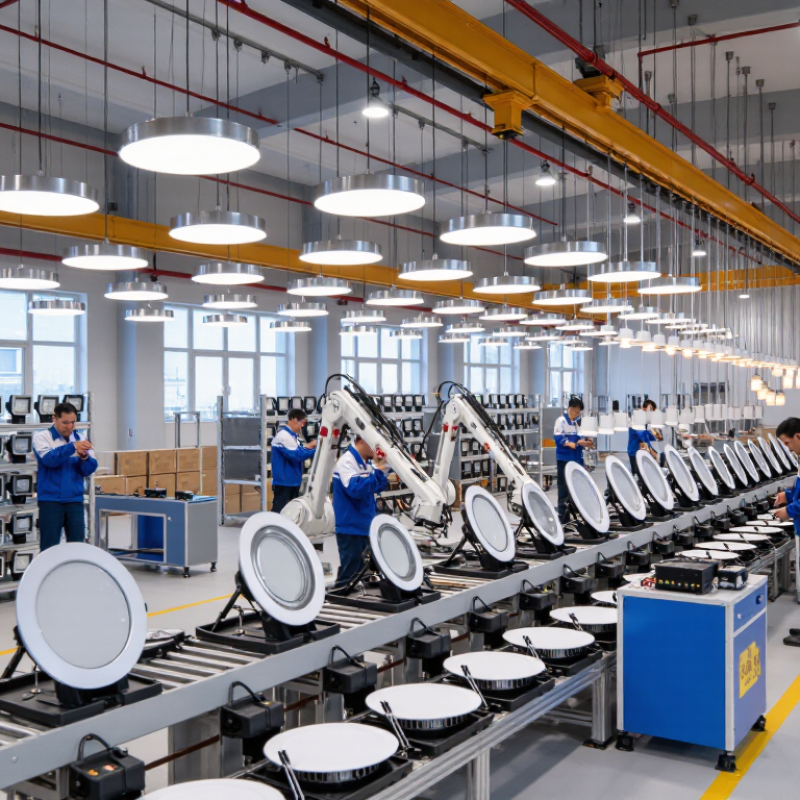
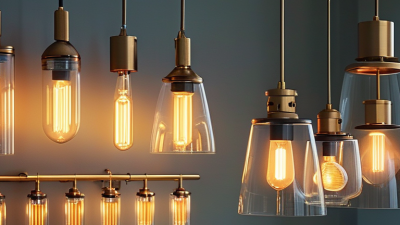
Chinese manufacturers produce a wide range of lighting fixtures for global buyers. Indoor products include recessed downlights, surface panels, track lights, pendant lamps, and linear systems. Outdoor factories commonly make floodlights, streetlights, garden lamps, wall luminaires, and high-bay fixtures. Decorative options add glass, aluminum, wood, or fabric details. Smart models may include occupancy sensors, dimming, wireless control, and daylight response. The International Energy Agency’s Energy Efficiency 2023 report estimates that lighting represents about 15% of global electricity consumption. The U.S. Department of Energy also reports that LED products use at least 75% less energy and last up to 25 times longer than incandescent lamps.
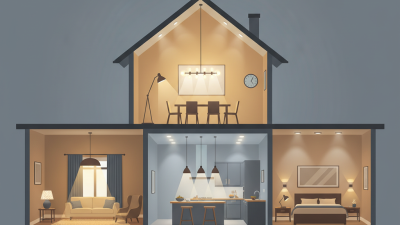
The right fixture depends on the room, mounting height, climate, and maintenance plan. Ask suppliers for photometric files, color-temperature data, power-factor results, and thermal test records. For wet outdoor areas, confirm the required ingress protection rating. IP65 is common, but it is not suitable for every installation. Not every fixture is equal. In practical factory checks, buyers should inspect driver quality, solder joints, housing thickness, and heat dissipation. Flicker testing also matters in offices, schools, and retail spaces. Request samples before approving a large order. A catalog can look complete, yet beam angles may differ between batches. Confirm testing against relevant IEC 60598 requirements and local electrical rules. Cost reductions are useful, but removing surge protection or using undersized drivers can create expensive failures.
Types of Lighting Fixtures Commonly Made by Chinese Manufacturers
The chart shows typical LED rated-wattage ranges commonly available for major lighting fixture categories manufactured in China. Actual specifications vary by application, optics, efficiency, housing design, and customization requirements.
China’s lighting industry is organized around specialized manufacturing regions. This structure helps global buyers compare capabilities, costs, and production support more clearly. It also reduces the distance between component suppliers and final assembly plants.
Zhongshan, especially Guzhen, is known for decorative lamps, commercial fixtures, and flexible customization. Buyers can often find nearby suppliers for glass, metal parts, drivers, packaging, and surface finishing. Foshan adds strength in architectural lighting and interior projects. Shenzhen focuses more heavily on LED electronics, controls, and smart lighting development. Ningbo supports hardware production, electrical components, and export-oriented manufacturing. Jiangsu is important for industrial, outdoor, and municipal lighting projects, although capabilities vary between factories.
Regional concentration is useful, but it can create a false sense of certainty. A factory may offer impressive samples while outsourcing critical components. Product quality can also change when specifications are incomplete. Practical buyers should review testing records, production photographs, material details, and quality-control procedures. Ask how suppliers manage color temperature, driver performance, heat dissipation, and ingress protection. Small details matter.
Factory audits and sample comparisons often reveal differences that catalogs hide. A reliable supplier should explain tolerances, lead times, inspection points, and corrective actions without vague promises. Buyers should also confirm applicable electrical and safety requirements for the destination market. China’s regional strengths are substantial, yet careful verification remains essential.
China Top Lighting Fixtures Manufacturers for Global Buyers
How to Evaluate Chinese Lighting Fixture Manufacturers
Evaluating a Chinese lighting fixture manufacturer requires more than comparing catalog prices. Start by checking factory capabilities, production equipment, and quality procedures. Ask whether the factory controls housing, wiring, assembly, and final testing internally. A polished showroom can still hide weak production discipline. Request recent audit records, product samples, and clear process photographs.
Examine materials closely. Check aluminum thickness, coating consistency, connector quality, and heat management. For LED fixtures, review photometric data, electrical safety reports, and testing records from qualified laboratories. Confirm that documents match the exact model, not a similar product. Verify applicable market requirements, such as CE, RoHS, or other destination-specific standards. Documents matter.
Order samples before negotiating large volumes. Test them under realistic conditions, including long operating hours and repeated switching. Record light output, color stability, surface temperature, and packaging damage. I would also inspect several units from one batch, because one perfect sample proves little. This step can expose small defects, but it may not reveal every seasonal problem.
Review the manufacturer’s communication and corrective-action process. Can they explain a failed test without vague promises? Do they provide traceable production codes and inspection records? Discuss minimum order quantities, tooling ownership, lead times, spare parts, and warranty handling in writing. A factory may offer a low price while quietly transferring risk to the buyer. I have made that mistake before. A slower, documented decision is often safer than an attractive quotation.
| No. | Evaluation Dimension | Suggested Weight | Reliable Benchmark for Global Buyers | Evidence to Request from the Manufacturer | Recommended Evaluation Method |
|---|---|---|---|---|---|
| 1 | Product Compliance and Safety | 20% | Required: Product-specific test reports and applicable market approvals for electrical safety, electromagnetic compatibility, and restricted substances. | Current test reports, declarations of conformity, component specifications, product labels, installation instructions, and reports issued by an accredited laboratory. | Confirm that the report model, rated voltage, LED driver, dimensions, and production version match the quotation sample. Do not accept a generic certificate as proof for every product. |
| 2 | Lighting Performance | 15% | Typical target: LED efficacy of approximately 80–150 lm/W for many commercial fixtures, with color consistency and photometric data clearly documented. | IES or LDT files, integrating-sphere test data, lumen output, beam angle, color temperature, color-rendering data, power factor, and total harmonic distortion results. | Compare test data with the approved sample and project requirements. Review delivered lumens rather than relying only on LED chip or input-wattage claims. |
| 3 | Quality Management System | 15% | Preferred: A documented quality system, incoming-material inspection, in-process checks, final inspection, and traceable corrective-action procedures. | Quality manual, inspection checklists, process flow, calibration records, nonconformance reports, corrective-action examples, and third-party audit records where available. | Conduct a video or on-site audit. Check whether inspection records are completed consistently and whether failed products are segregated and reworked under controlled procedures. |
| 4 | Manufacturing Capability and Capacity | 15% | Suitable capacity: The factory should demonstrate equipment, labor, and production planning that can support the required monthly volume without excessive subcontracting. | Production-line photos or tour records, equipment list, monthly capacity by product category, production schedule, staffing information, and subcontractor disclosure. | Compare stated capacity with purchase quantity, lead time, peak-season demand, and quality-control resources. Verify whether critical assembly is performed in-house. |
| 5 | Customization and Engineering Support | 10% | Strong capability: Clear design-review, prototyping, sample-approval, tooling, firmware, thermal, and optical-engineering processes. | Technical drawings, bills of materials, sample-development timeline, engineering change records, tooling ownership terms, and prototype test results. | Submit a defined sample brief and evaluate response quality, revision speed, tolerance control, documentation, and ability to identify technical risks before production. |
| 6 | Reliability and Warranty Control | 10% | Commercially acceptable: A written warranty, defined failure criteria, batch traceability, thermal-management evidence, and a documented replacement or repair process. | Warranty policy, failure-rate records, burn-in or aging-test procedure, thermal test results, driver warranty terms, serial-number system, and replacement-part policy. | Clarify warranty duration, exclusions, response time, shipping responsibility, and remedies for batch defects before signing the purchase contract. |
| 7 | Supply Chain and Component Transparency | 8% | Preferred: Stable sourcing for LED modules, drivers, housings, lenses, connectors, and other safety-critical components. | Approved component list, alternative-component policy, material certificates, supplier qualification procedure, change-notification process, and availability information. | Require written approval before substituting safety-critical components. Check whether component changes trigger renewed testing and sample approval. |
| 8 | Export Experience and Documentation | 7% | Practical requirement: Accurate commercial invoices, packing lists, product manuals, carton markings, HS-code support, and export packaging suitable for the destination. | Redacted shipping documents, packaging specifications, palletization plan, installation manuals, spare-parts list, country-specific labels, and logistics references. | Review a complete document package before mass production. Confirm the manufacturer can meet the destination market’s language, labeling, and installation requirements. |
China’s top lighting fixture manufacturers for global buyers treat compliance as a daily process, not a sales slogan. Experienced factories verify product requirements before production begins. They review voltage, frequency, plug design, photometric data, and installation conditions for each destination market.
A reliable supplier should provide current test reports, factory quality records, and traceable component information. Certifications may include market-specific safety, electromagnetic compatibility, and hazardous-substance requirements. However, a certificate alone proves little. The report must match the exact model, driver, wattage, and production version. I have seen documents become outdated after a small component change. That detail is easy to miss.
Tips: Ask for certification numbers and laboratory reports. Confirm the report holder and model details. Request samples from the same production line. Check carton labels, manuals, and product markings before shipment. Keep written records of every revision.
Quality control should cover incoming materials, assembly, electrical testing, aging tests, and final inspection. Inspectors may check insulation, grounding, light output, color consistency, and heat management. A practical factory also keeps batch codes and inspection photographs. These records support faster investigations when defects appear after delivery.
Export compliance requires more than passing a test. Suppliers should prepare accurate invoices, packing lists, customs descriptions, and country-of-origin details. Packaging must protect fragile diffusers and exposed terminals during long transport. Some factories rely too heavily on familiar documents. That habit creates risk when destination rules change. Global buyers should use a pre-shipment checklist and independent inspection when order value justifies it.
Reliable sourcing starts with the specification, not the catalog. Ask manufacturers for photometric files, driver details, material grades, and production references. A 2023 International Energy Agency report estimates that lighting uses about 15% of global electricity. Efficiency is therefore a purchasing issue, not decoration. Request tested lumen output, color consistency, flicker performance, and expected lifetime. Samples should run for several days before approval. Small mistakes become expensive at scale.
Customization changes both price and risk. Confirm mold charges, minimum order quantities, packaging design, spare parts, and revision limits in writing. Compare quotes by total landed cost, including testing, export packing, freight, duties, and destination handling. The U.S. Department of Energy’s 2023 solid-state lighting research plan notes continuing gains in LED efficacy, but higher efficiency does not guarantee better thermal design. That distinction matters. For shipping, use reinforced cartons, corner protection, moisture barriers, and drop-test records. UNCTAD’s Review of Maritime Transport 2023 reported more than 12 billion tons of seaborne trade, yet port delays and rate changes still disrupt schedules. Choose Incoterms carefully, verify HS codes with a customs professional, and reserve space early during peak seasons. I would not trust a low quote without a clear warranty process. That is where many “savings” quietly disappear.