2026 Top Innovations in Street Lights That Will Change Cities?
As cities evolve, street lights are at the forefront of innovation. Urban areas are exploring smarter solutions to enhance safety and efficiency. Renowned street light expert, Dr. Sarah Thompson, emphasizes, "The future of street lights is about more than illumination; it’s about interaction." This statement reflects the growing trend of integrating technology into street lighting systems.
Innovative street lights are no longer just about brightness. They are becoming multifunctional hubs. Features like sensors for traffic flow and air quality monitoring are now common. These advancements aim to create a safer and more sustainable urban environment. However, there is still much to consider. Not every city is equipped to implement these innovations seamlessly.
There are challenges in cost, technology adaptation, and data privacy. Many urban planners are grappling with these issues. The vision for modern street lights is ambitious, but the path is not without obstacles. Reflecting on this progress is crucial for future implementations. As we look ahead to 2026, the potential of street lights continues to spark debate and excitement.
Revolutionizing Urban Lighting: Key Innovations to Watch in 2026
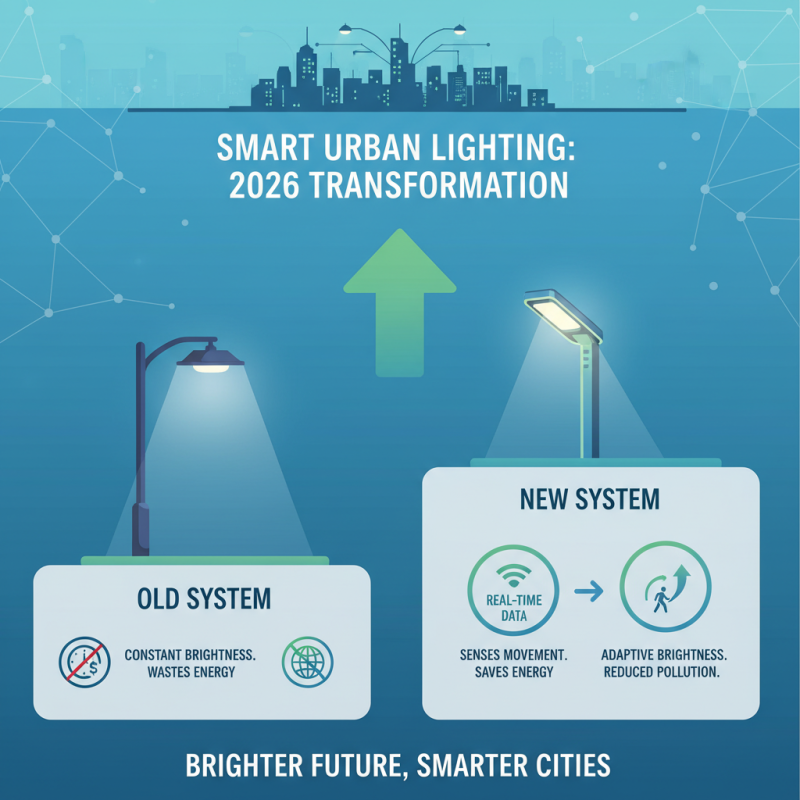
Urban lighting is on the brink of a major transformation. By 2026, cities may see a shift toward smart street lights. These innovative lights will adapt to real-time data. For instance, adjusting brightness based on pedestrian traffic can save energy. Imagine a street lamp that gets brighter as people approach and dims when they walk away.
Another exciting development is integration with IoT technology. Street lights could communicate with other city infrastructure. This connectivity might help manage traffic flow better. However, this raises questions about cybersecurity. If these lights are hacked, what might happen? Ensuring safety in this tech-savvy world is crucial.
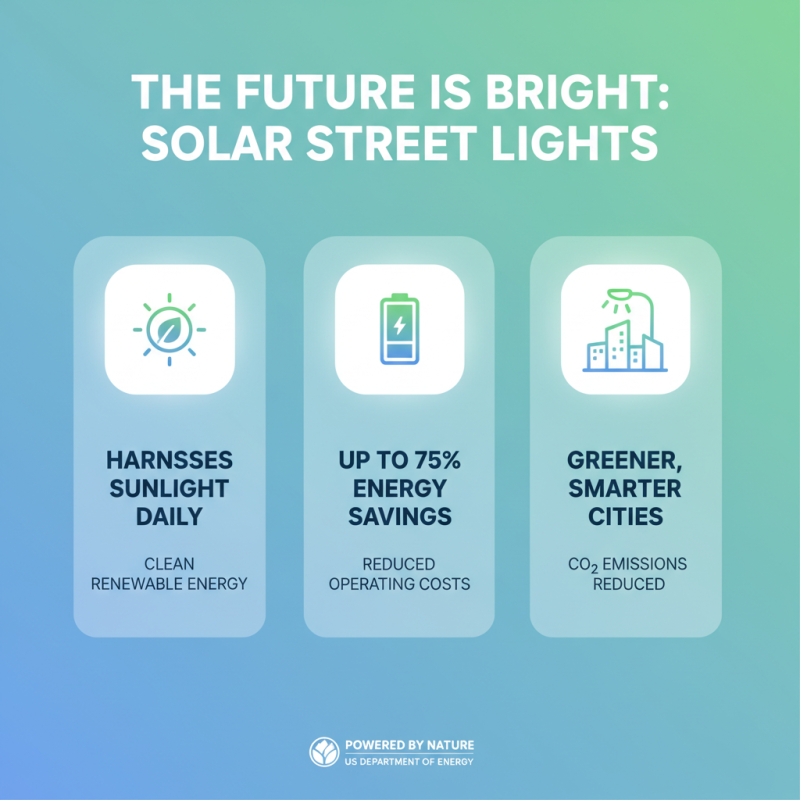
Solar-powered street lights are also gaining attention. They harness energy during the day and light the streets at night. This can reduce reliance on traditional power sources. But, there are challenges. Not all areas receive enough sunlight. Cities need to consider how to implement these systems effectively. Balancing innovation with practicality will be key as we look forward to 2026.
Smart Lighting Technology: Integrating IoT for Efficient Street Lighting
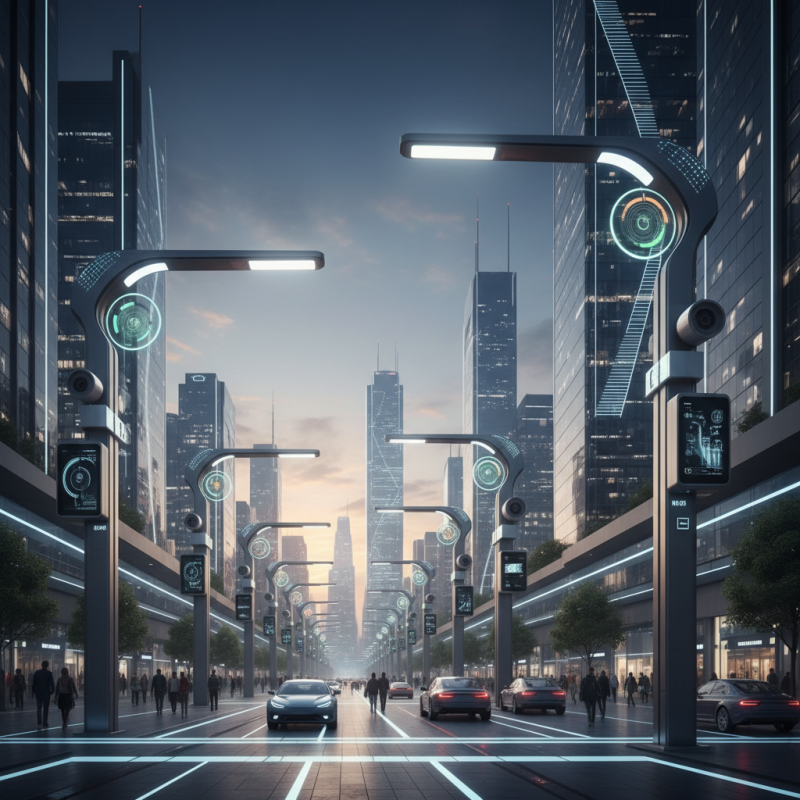
The evolution of street lighting is entering an exciting phase. Smart lighting technology is taking center stage. It integrates the Internet of Things (IoT) to enhance urban efficiency. Streetlights will no longer be mere sources of light; they will become intelligent nodes in city infrastructure.
Imagine streetlights that adjust brightness based on pedestrian movement. This not only conserves energy but also improves safety. Sensors can detect when areas are crowded and increase light levels as needed. However, this innovation is not without challenges. Questions arise about privacy and data management. How do cities ensure the data collected is secure? This is critical for public trust.
Cities can also use these smart lights to gather environmental data. Temperature, air quality, and noise levels can be monitored in real time. But there’s a risk of overreliance on technology. What happens if the system fails? A single outage could leave neighborhoods in darkness. As cities embrace these advancements, careful planning is essential. Balancing tech integration with community needs is key.
2026 Innovations in Smart Street Lighting Technology
This chart illustrates the potential impact of various innovations in smart street lighting technology planned for 2026. The scores reflect the estimated effectiveness of each innovation in enhancing city infrastructure.
Sustainable Energy Solutions: Solar Power and Beyond for Street Lights
Urban street lighting is evolving rapidly, with innovations focused on sustainability. Solar-powered street lights are at the forefront of this change. According to a report by the U.S. Department of Energy, these systems can reduce energy costs by up to 75%. They harness sunlight during the day to illuminate streets at night, making cities greener and more energy-efficient.
However, challenges remain. The initial investment for solar installations can be high. Many municipalities hesitate to make this leap. Maintenance can also be tricky, especially in areas with frequent overcast days. Furthermore, integrating smart technology with solar lights is not always seamless. Research from the International Energy Agency indicates that only 30% of cities have begun implementing smart lighting solutions alongside renewable energy options.
Community involvement is crucial for successful projects. Local feedback often shapes installation strategies and energy use. For instance, some neighborhoods may prefer brighter lights for safety, while others seek softer lighting for aesthetics. Balancing these interests can prove difficult. It’s essential for urban planners to consider diverse preferences when designing sustainable street lighting systems. The goal should be to create well-lit, safe, and environmentally friendly urban spaces that reflect the needs of all residents.
Enhanced Safety Features: AI and Sensors in Modern Street Lighting
Modern street lighting is becoming smarter with the integration of AI and sensors. These technologies significantly enhance safety in urban areas. For instance, motion sensors might detect pedestrians and cyclists. When movement is detected, lights can brighten automatically, ensuring visibility.
Moreover, AI can analyze traffic patterns and adjust lighting accordingly. If a street is usually busy, lights can remain brighter for longer. On quieter streets, lights may dim to conserve energy. However, reliance on technology isn’t foolproof. Malfunctions may occur, leaving areas inadequately lit at night.
In addition, concerns arise about privacy and data security. As street lights gather information, there is a risk of data misuse. Community input is crucial to address these issues. Balancing innovation with safety and privacy is essential for urban development.
Aesthetic and Functional Design Trends in Future Urban Street Lights
As urban areas evolve, street lights play a crucial role in aesthetic and functional design. The next wave of street lighting will emphasize both style and practicality. Cities are rethinking their lighting design to create inviting spaces. Brightness and visibility are key, but aesthetics cannot be neglected. Street lights will blend seamlessly with architecture, enhancing the overall cityscape.
Sustainable materials and energy-efficient technologies will shape future designs. Imagine street lights powered by solar energy, reducing carbon footprints. Smart street lights equipped with sensors can adapt brightness based on pedestrian presence. This not only conserves energy but also increases safety. However, these advancements come with challenges, such as ensuring security and privacy.
Cities must also consider how these designs affect community interaction. Can the new lighting encourage evening activities? Or will it create unwanted glare? Balancing innovation with practicality requires thoughtful planning. Feedback from residents can guide these changes. Urban planners need to reflect on whether these designs serve everyone equally. The future of street lighting is not just about illumination; it’s about creating vibrant, livable environments.
2026 Top Innovations in Street Lights That Will Change Cities
| Innovation Type |
Description |
Benefits |
Expected Year of Implementation |
| Smart LED Lights |
Energy-efficient lighting systems that adjust brightness based on pedestrian presence and ambient light. |
Reduced energy consumption and increased safety for pedestrians. |
2026 |
| Solar-Powered Street Lights |
Streetlights equipped with solar panels to harness renewable energy. |
Sustainable energy source reducing reliance on the grid. |
2025 |
| Integrated IoT Sensors |
Streetlights with built-in sensors for monitoring traffic, air quality, and noise levels. |
Real-time data collection for better urban planning and management. |
2026 |
| Color-Changing Lights |
Lights that can change colors based on events or celebrations. |
Enhances community engagement and beautifies urban spaces. |
2027 |
| Disaster Response Lights |
Emergency lights equipped with backup power for use during natural disasters. |
Improves safety and visibility in crisis situations. |
2026 |