Top 10 LED Chandeliers Buyers Should Consider for 2026?
As we approach 2026, the market for LED chandeliers continues to evolve. Industry expert Jane Smith notes, “LED chandeliers bring both style and energy efficiency to modern homes.” Buyers need to consider various factors, including design, brightness, and energy consumption.
In recent years, LED chandeliers have surged in popularity. Their sleek designs appeal to homeowners looking for elegance and sustainability. Choosing the right chandelier can enhance any room's ambiance. However, not all LED chandeliers are created equal. Some may not provide the expected warmth or brightness.
It's essential to understand the specific needs of your space. Lighting can drastically change how a room feels. Quality should never be compromised for aesthetics alone. Reflecting on your choices can lead to better decisions. Remember, the right LED chandelier should blend seamlessly with your decor while offering functionality.
Top Features to Look for in LED Chandeliers for 2026
When looking for LED chandeliers in 2026, several key features stand out. First, energy efficiency is paramount. A recent energy report indicated that LED lighting can save up to 80% more energy than traditional lighting. This is increasingly important as consumers become more eco-conscious. Pay attention to lumens, not just watts. Higher lumens mean brighter light without consuming more energy.
Another essential feature is the color temperature. Modern LED chandeliers now offer a range from warm to cool white. This versatility allows you to tailor the ambiance of any room. Recent studies show that proper lighting can improve mood and productivity at home. Adjustable color temperatures in LED fixtures can impact these factors significantly.
Design is also crucial for buyers. Look for styles that complement your space. Popular trends include minimalist designs with bold finishes. However, do not overlook the utility; the chandelier should also provide sufficient light for the area. Reflecting on your personal tastes can help ensure you make a satisfying choice. The right combination of aesthetics and function will enhance your living space beautifully.
Best Styles of LED Chandeliers for Modern Interiors
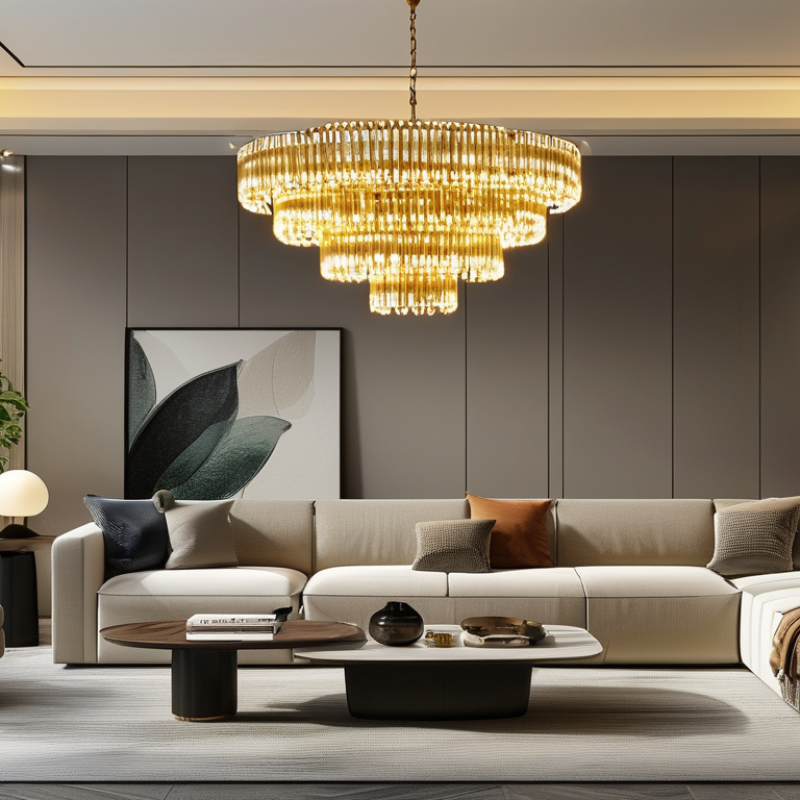
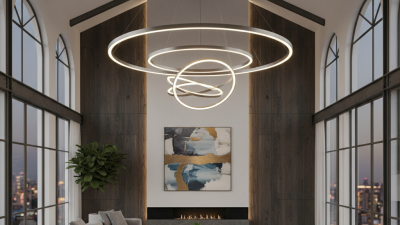
When choosing LED chandeliers for modern interiors, style is key. Contemporary designs blend functionality with aesthetics. Sleek lines and geometric shapes dominate. These features create a clean look while enhancing the space.
Consider minimalist options. A simple, open structure can draw the eye without overwhelming a room. Many designs use glass or metal for a sophisticated touch. Their sleek profiles can complement various décor styles. Bold choices like asymmetrical arrangements offer a statement without being cluttered.
Incorporating warm lighting is vital. It creates an inviting atmosphere, making spaces feel cozy. However, finding the right color temperature can be tricky. Some people may prefer cooler tones, while others lean towards softer hues. Experimenting is essential. It can enhance visual appeal and align with overall interior themes. Think about the scale too. A chandelier too large or small can disrupt balance. Aim for harmony between the fixture and the room's dimensions.
Energy Efficiency Ratings of LED Chandeliers Explained
Energy efficiency is a crucial consideration when shopping for LED chandeliers. Understanding energy efficiency ratings can help buyers make informed decisions. These ratings indicate how effectively a chandelier converts electricity into light. A higher rating often means lower energy consumption. This is key for both reducing electricity bills and minimizing environmental impact.
Choosing an LED chandelier with a good energy efficiency rating is beneficial. It’s not just about brightness; it’s about how much energy is used. Look for options that display clear certification labels. These labels provide insight into energy consumption and expected lifespan. However, it’s important to balance efficiency with aesthetics. Some highly efficient models may sacrifice design or light quality.
Many buyers overlook the long-term cost benefits. While a more efficient chandelier might have a higher upfront cost, it can lead to savings over time. Some may find it difficult to reconcile style and function. This is a common challenge in the LED market. Evaluating your space and lighting needs will help in making the right choice. So, reflections on both efficiency and design will yield the best results.
Top 10 LED Chandeliers Buyers Should Consider for 2026
This chart represents the energy efficiency ratings of the top 10 LED chandeliers, measured in lumens per watt (lm/W). Higher values indicate better energy efficiency, making these chandeliers more economical and environmentally friendly.
How to Determine the Right Size LED Chandelier for Your Space
When selecting the right size LED chandelier, understanding your space is crucial. Research shows that lighting should provide around 20 lumens per square foot for effective illumination. Consider the height and dimensions of your room. A chandelier should hang between 30 to 36 inches above the floor, ensuring it doesn’t obstruct views. For rooms with high ceilings, increase the height by 3 inches for every additional foot above 8 feet.
Width matters too. A general guideline is to sum the room's dimensions in feet and use that number for the chandelier's diameter in inches. For instance, a 12-foot by 16-foot room would require a fixture approximately 28 inches wide. Visual balance is vital; a chandelier that is too small can seem lost in the space. Many experts recommend considering architectural elements, such as furniture and wall colors, when determining size.
It’s essential to remember that personal preferences may vary. Some may favor larger fixtures for a dramatic effect. Others may prefer something more understated. It’s worth experimenting with different sizes and styles. Ultimately, the key is finding a design that complements your room's aesthetic while providing adequate lighting. Engaging with professionals or consulting design reports can offer additional insights on current trends and safety standards regarding chandelier installations.
Top 10 LED Chandeliers Buyers Should Consider for 2026
| Model |
Size (inches) |
Lumens |
Energy Efficiency |
Price ($) |
| Model A |
30 |
3000 |
A++ |
150 |
| Model B |
35 |
3500 |
A+ |
180 |
| Model C |
40 |
4000 |
A++ |
220 |
| Model D |
45 |
4500 |
A |
250 |
| Model E |
50 |
5000 |
A++ |
300 |
| Model F |
55 |
5500 |
A+ |
350 |
| Model G |
60 |
6000 |
A++ |
400 |
| Model H |
65 |
6500 |
A |
450 |
| Model I |
70 |
7000 |
A++ |
500 |
| Model J |
75 |
7500 |
A+ |
600 |
Trends Influencing LED Chandelier Designs in 2026
The trend of LED chandeliers is evolving rapidly, with design innovations shaping the market for 2026. The global LED lighting market is expected to reach $105 billion by 2026, driven by energy efficiency demands. Homeowners are increasingly drawn to LED chandeliers for their long lifespan and lower energy consumption, offering up to 80% savings compared to traditional incandescent lights.
Design aesthetics are a key focus as well. Minimalistic and contemporary designs are gaining popularity, catering to modern home decor. According to a recent design report, 45% of consumers prefer clean lines and geometric shapes in their lighting fixtures. Additionally, smart lighting technology is influencing chandelier designs. Integration with home automation systems is becoming essential for many buyers.
However, challenges remain. The perception of LED lights as harsh or unflattering persists among some consumers. Manufacturers need to address this by developing warmer light options. Many designs still lack versatility, limiting their appeal to different decor styles. Balancing functionality with aesthetics continues to be a critical path forward for the industry.