Top 5 Tips for Choosing Solar LED Street Lights for Your Needs?
Choosing the right solar LED street light for your needs can be challenging. With so many options available, it’s easy to feel overwhelmed. Solar LED street lights are popular for their energy efficiency and eco-friendliness. They reduce utility costs while providing sufficient illumination.
When selecting these lights, consider their brightness and battery life. Some models perform better in different climates. Durability is essential too. Look for materials that withstand harsh weather. You want lights that last and function optimally in all conditions.
It’s crucial to be informed. Not all products deliver the same quality or performance. Reading reviews can help identify reliable brands. You might find that what works for one area may not suit another. This decision requires careful thought and research. Reflect on your specific needs before making a choice.
Understanding the Benefits of Solar LED Street Lights for Your Area
Solar LED street lights offer numerous benefits for communities and cities. They are energy-efficient, harnessing sunlight to power themselves. This minimizes electricity costs and helps reduce carbon footprints. Solar lights work well in remote areas without reliable electricity access. They ensure safety and visibility at night, improving overall community security.
Maintenance is often less intensive with solar LED options. They typically require fewer replacements due to their durable design. However, the initial investment can be a consideration. Some regions may face challenges with sunlight availability during certain seasons. This variability can impact the performance of solar street lights.
When choosing these lights, consider your local climate. Areas with strong sunlight will benefit the most. Assessing lighting needs is crucial, too. Measuring the area needing illumination ensures adequate coverage. Customizing your choice can lead to better efficiency and satisfaction. There’s no one-size-fits-all solution. Each community should reflect on their specific lighting needs. This approach ensures that the chosen solution effectively meets the unique demands of the area.
Evaluating the Specific Lighting Needs of Your Location
When selecting solar LED street lights, understanding the specific lighting needs of your location is crucial. Different environments—such as urban, suburban, and rural areas—require various illumination levels. Evaluate your area’s brightness requirements, considering factors such as nearby buildings, trees, and overall street design. For example, illuminated areas with heavy foot traffic may need brighter lights than isolated pathways.
Another important aspect is the local climate. Regions with heavy rainfall or snow may require lights with enhanced durability and water resistance. Think about how often and how bright you want the lights to be. More frequent use may lead you to invest in higher capacity solar panels.
Pay attention to the installation height as well. The height will influence the light's reach and distribution. If lights are placed too low, shadows may form. Test different heights in your environment for the best results. Lighting shouldn’t create a glare or dark spots, as safety is paramount. An ideal lamp can balance illumination and aesthetics.
Top 5 Tips for Choosing Solar LED Street Lights for Your Needs
Comparing Different Types of Solar LED Street Lights Available
When selecting solar LED street lights, understanding the types available is crucial. Solar street lights generally fall into three main categories: integrated, modular, and hybrid.
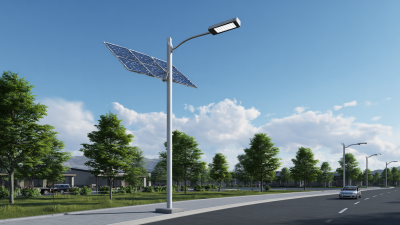
Integrated lights are compact units with solar panels, batteries, and LED bulbs in one piece. They are easy to install and maintain but may lack flexibility in power output.
Modular designs offer more customization. These systems have separate components, allowing for upgrades over time. This feature can be beneficial if energy needs change or if areas need additional illumination. They also typically have a longer lifespan but may require more installation effort and cost.
Hybrid systems use both solar energy and grid power. They ensure consistent lighting, especially in areas with limited sunlight. However, their reliance on the grid can lead to higher operational costs.
Each type has its pros and cons. Reflect on your specific requirements, such as energy efficiency, installation ease, and maintenance needs. Choose a type that aligns best with your context and resources.
Assessing Energy Efficiency and Sustainability of Solar Options
When assessing energy efficiency and sustainability of solar LED street lights, consider various factors.
Energy efficiency is about delivering maximum light while using minimal power.
Look for lights that utilize advanced solar panels.
High-quality panels capture more sunlight, converting it into usable energy.
This efficiency translates into better illumination and longer-lasting performance.
Another point to reflect on is the battery capacity.
A light’s ability to store energy affects its performance during cloudy days.
Assess the battery type and its capacity. Generally, lithium-ion batteries offer longer life and quicker charging than traditional options.
However, they can be more expensive.
Weigh these costs against potential savings on utility bills.
Moreover, evaluating the materials used in solar street lights is crucial.
Durable materials enhance longevity and reduce the need for replacements.
Look for options that are resistant to harsh weather conditions.
However, it's essential to remain aware of the environmental impact of these materials.
Strive to find a balance between quality and sustainability.
By incorporating these considerations, you'll become more informed in your choices.
Budgeting: Cost Considerations for Your Solar LED Street Light Project
When budgeting for solar LED street lights, start with a clear understanding of your project goals. Consider installation costs, which can vary widely. Costs will include materials, labor, and site preparation. These factors can sneak up on you. It’s important to get multiple quotes to ensure you’re not overspending.
A key tip is to assess the energy requirements of your area. The number of lights needed depends greatly on the area size. Higher wattage lights can increase costs significantly, but they may provide better illumination. Measure the space accurately to avoid underlighting or overbuying.
Don’t forget to factor in maintenance costs. Though solar lights require less maintenance, they still need occasional checks. Batteries may need replacement every few years, which adds to the budget. Think about future costs, not just the initial investment. The longevity of your lights can greatly influence overall expenses. A well-thought-out budget will ultimately lead to a more successful solar lighting project.
Top 5 Tips for Choosing Solar LED Street Lights for Your Needs
| Tip |
Description |
Cost Consideration |
Estimated Price Range ($) |
| Assess Your Lighting Needs |
Determine the brightness required based on the area and purpose of lighting. |
Higher lumens increase cost. |
200 - 500 |
| Consider the Solar Panel Quality |
Look for high-efficiency solar panels for better energy conversion. |
Quality affects durability and performance. |
150 - 400 |
| Evaluate Battery Capacity |
Ensure batteries can store enough power for usage duration. |
Larger capacity increases overall system cost. |
100 - 300 |
| Check for Additional Features |
Consider motion sensors, dimming options, or remote control capabilities. |
Additional features can raise initial investment. |
50 - 150 |
| Warranty and After-Sales Support |
Check warranty duration and quality of customer service. |
Excellent support can mitigate long-term costs. |
N/A |