2026 Best LED Panel Options for Global Buyers to Consider?
As the demand for energy-efficient lighting grows, LED panels continue to gain traction in the global market. According to a report by Grand View Research, the global LED panel market is projected to reach $115 billion by 2025. This growth highlights the increasing preference for LED technology in residential and commercial spaces alike. LED panels offer advantages such as longer lifespans, lower energy consumption, and superior lighting quality.
In 2026, buyers should explore various LED panel options available on the market. Brands are constantly innovating, resulting in diverse products that cater to different needs. However, not all LED panels are created equal. It's crucial to consider factors such as brightness, color temperature, and installation type. Some budget options may compromise on brightness or longevity. Making informed decisions is vital for achieving the best lighting experience.
Choosing the right LED panel involves understanding personal requirements and preferences. Potential buyers should assess their specific lighting needs and environmental conditions. User reviews and expert recommendations can provide valuable insights. Despite the vast array of choices, not every product will meet expectations, necessitating a careful evaluation of performance and reliability.

Top LED Panel Technology Trends to Watch in 2026
As we approach 2026, LED panel technology shows remarkable evolution. Industry experts project a growth rate of 12% annually in the LED panel market. This growth reflects a shift towards energy-efficient solutions in various sectors. Advanced technology is making LED panels more accessible and effective.
The rise of mini-LED and micro-LED technologies is noteworthy. These innovations enhance brightness and contrast, appealing to both commercial and home users. Reports suggest that mini-LED panels could achieve double the brightness of traditional counterparts. However, cost remains a concern. Mini-LED is pricier and may hinder widespread adoption.
Flexible and transparent LED panels are making headway too. They allow unique designs in architecture and advertising. The market for flexible displays is expected to exceed $30 billion by 2026. Yet, durability and installation challenges still exist. Buyers should consider these factors in their 2026 LED panel choices.
Key Factors Influencing LED Panel Selection for Global Buyers
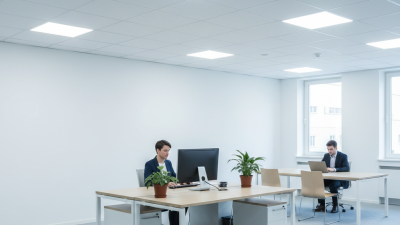
When selecting LED panels, various factors come into play for global buyers. The first consideration is brightness levels. Different environments require different luminosity. Bright offices may need higher lumens, while residential settings can often accept lower output. Understanding the intended usage is crucial.
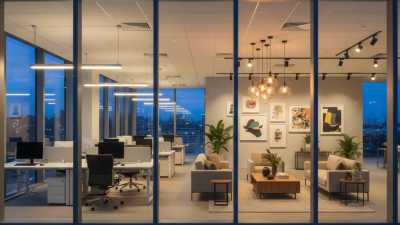
Next, color accuracy and temperature are vital. Buyers must consider whether they need warm or cool tones. This decision can affect mood and productivity. Regular testing might be necessary to ensure the chosen LED panels meet these criteria. Additionally, energy efficiency plays a critical role. Panels that consume less power save costs in the long run, making them an attractive option.
Another key aspect is the panel's lifespan. Not all LED panels are created equal, and longevity should not be overlooked. Regular replacements can lead to increased expenses. Buyers should also reflect on the installation process. Some panels may require specialized knowledge for proper setup. Balancing cost, performance, and installation complexity is essential for making a responsible choice. Each of these factors influences the final decision significantly.
Comparison of Popular LED Panel Brands and Their Features
When choosing an LED panel, consider several key features. Brightness is crucial for visibility in various settings. Look for panels with adjustable brightness. This allows users to customize the light output based on their needs. Color accuracy also plays a vital role. Panels that support a wider color gamut produce more vibrant visuals.
Screen size is another factor that affects user experience. Larger panels are better for presentations. However, they require more space. Be aware of the panel's energy efficiency. Eco-friendly options can help reduce electricity costs over time.
Tip: Check for warranty options. A robust warranty indicates trust in product durability. Reading user reviews can also offer insights into long-term performance. If the feedback is mixed, consider it a red flag. Researching different brands can reveal strengths and weaknesses in quality and service. Recognizing these areas for improvement is valuable for informed decisions.
Comparison of LED Panel Features
Environmental Considerations in Choosing LED Panels for Sustainability
When selecting LED panels, environmental considerations play a vital role. LED technology is often praised for energy efficiency. However, not all LED products are created equal. Some panels may contain hazardous materials. Careful evaluation of materials is essential for sustainability.
Choosing LED panels with eco-friendly ratings can make a significant difference. Look for certifications that indicate lower environmental impact. Recyclable materials should also be a priority. Many manufacturers are now focusing on reducing waste throughout the production process. This shift reflects a growing commitment to sustainability.
It's crucial to reflect on the end of life for these products. What happens when the panels are no longer usable? Ensuring there are recycling programs or proper disposal methods is important. While LED panels offer many benefits, there's room for improvement in the industry. Consumers can drive change by demanding more transparency and accountability from manufacturers.
Future Innovations in LED Panel Design and Functionality
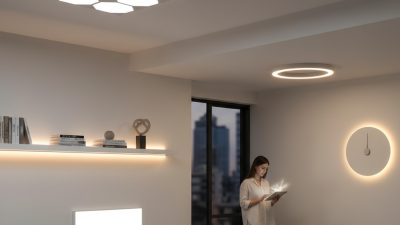
The LED panel market is evolving rapidly. Innovations in design and functionality are transforming how we perceive lighting. Emerging technologies promise thinner profiles, greater energy efficiency, and improved color accuracy. Buyers can expect panels that adapt to their environments.
New materials are entering the market, allowing for flexible shapes. Imagine lighting that can wrap around corners or fit into tight spaces seamlessly. This flexibility enhances creativity in interior design. Advanced smart features are also on the rise. Panels will soon sync with personal devices for a customized lighting experience.
**Tips**: When choosing LED panels, focus on lumen output for brightness. Look for energy ratings to ensure long-term savings. Test the color temperature before making a purchase; it can significantly affect the ambiance of a room. Consider the lifespan of the panel and warranty options to avoid future regrets.
2026 Best LED Panel Options for Global Buyers to Consider
| Panel Size (inches) |
Resolution (pixels) |
Brightness (nits) |
Energy Consumption (W) |
Color Gamut (%) |
Lifespan (hours) |
| 32 |
1920 x 1080 |
250 |
50 |
90 |
30000 |
| 43 |
3840 x 2160 |
300 |
60 |
95 |
40000 |
| 55 |
3840 x 2160 |
350 |
70 |
98 |
50000 |
| 65 |
3840 x 2160 |
400 |
90 |
100 |
60000 |
| 75 |
7680 x 4320 |
500 |
100 |
85 |
70000 |