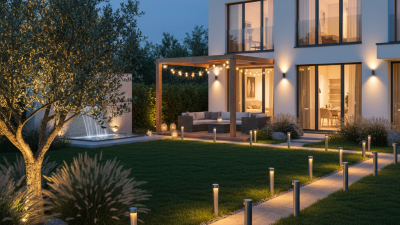
Top LED Flood Lights in China for Effective Outdoor Lighting Solutions?
In recent years, LED flood lights have gained significant traction in outdoor lighting solutions across China. According to market research by the Global Lighting Association, the LED flood light market is projected to grow by over 10% annually. This trend highlights the increasing demand for energy-efficient and durable outdoor lighting options.
Renowned industry expert Dr. Jane Li states, “LED flood lights have transformed how we think about illumination and efficiency.” Her insight underscores the importance of innovation in lighting technology. Many consumers prefer LED flood lights due to their longevity and lower energy costs compared to traditional options.
However, not all products meet quality standards. The presence of subpar products can lead to performance issues, diminishing consumer trust. It’s crucial for buyers to consider well-reviewed brands and to seek reliable suppliers. In an industry that thrives on advancements, reflective choices in selecting LED flood lights can lead to substantial benefits for outdoor lighting.

Overview of LED Flood Lights and Their Benefits for Outdoor Use
LED flood lights are becoming increasingly popular for outdoor lighting solutions due to their energy efficiency and versatility. These lights provide bright illumination, enhancing safety and visibility in various environments. Whether for sports fields, parking lots, or garden paths, LED flood lights deliver powerful performance and longer lifespans than traditional lighting options. They also consume significantly less energy, which can reduce electricity costs over time.
Installation can be a challenge. Improper placement may lead to dark spots or excessive glare. This can hinder the very safety these lights are meant to provide. Consider the angle and height during installation to ensure even light distribution. If you are unsure, hiring a professional can be a wise investment.
Don’t overlook the environmental benefits. LED flood lights are often made from recyclable materials, contributing to eco-friendliness. However, selecting the right color temperature matters. A cooler light can create a clinical feel, while warmer tones may foster a cozy ambiance. Experiment with different options to determine what suits your outdoor space best. Always prioritize quality over price to ensure reliability and performance.
Top LED Flood Lights in China for Effective Outdoor Lighting Solutions
Key Features to Consider When Selecting LED Flood Lights
When selecting LED flood lights, several key features must be evaluated to ensure optimal outdoor lighting. A primary consideration is brightness, measured in lumens. Effective flood lights typically range from 1,500 to 20,000 lumens. A higher lumen output isn’t always better, as it depends on the application. For example, a well-lit parking area might require around 5,000 lumens, while large sports fields could need significantly more.
Another crucial aspect is energy efficiency. LED technology can reduce energy consumption by up to 80% compared to traditional lighting. According to a report by the U.S. Department of Energy, switching to LED can lead to substantial cost savings over time. Durability is also vital; choosing flood lights with a high IP rating indicates resistance to dust and moisture. Lights rated at least IP65 are recommended for outdoor applications, ensuring longevity and reliability.
Moreover, the color temperature impacts visibility and ambiance. Warmer tones (3000K) are softer and inviting, suitable for gardens and pathways. Cooler tones (5000K) resemble daylight, enhancing visibility in commercial spaces. Balancing these factors is essential, yet many overlook the importance of installation height and angle. Improper light placement can lead to unwanted shadows or glare, affecting safety and aesthetics. These reflections and discrepancies highlight the importance of careful planning in outdoor lighting solutions.
Top Brands of LED Flood Lights Available in China
Choosing the right LED flood light can be challenging. There are many leading brands in China that offer reliable outdoor lighting solutions. Each brand has different features, which makes comparing them essential. Quality matters, as it affects performance and longevity. Consumers should look for products with good warranty options.
Some brands emphasize energy efficiency and durability. Their models are designed to withstand harsh weather. Others focus on brightness and coverage area. It's crucial to understand what space will be illuminated. Use cases may vary widely from sports fields to garden lighting.
Not all products meet high-quality standards. Some may have short lifespans or inadequate brightness. It’s wise to read customer reviews before making a decision. Researching specifications helps identify reliable options. Selecting the best LED flood light ensures effective outdoor lighting solutions that last over time.
Top LED Flood Lights in China for Effective Outdoor Lighting Solutions
| Model |
Power (W) |
Lumen Output |
Beam Angle |
IP Rating |
Warranty (Years) |
| Model A |
100 |
10000 |
120° |
IP65 |
2 |
| Model B |
150 |
15000 |
90° |
IP67 |
3 |
| Model C |
200 |
20000 |
100° |
IP65 |
5 |
| Model D |
250 |
25000 |
110° |
IP68 |
3 |
Comparative Analysis of Popular LED Flood Light Models
When evaluating LED flood lights for outdoor use, several models stand out in terms of efficiency and durability. Notably, a report from the Lighting Research Institute noted that well-designed LED flood lights can reduce energy consumption by up to 70% compared to traditional lighting. This significant reduction showcases how transitioning to LED technology can substantially lower electricity bills while providing brighter illumination for outdoor spaces.
Many popular models feature output levels ranging from 3,000 to 30,000 lumens. This wide range caters to diverse needs, whether for backyard lighting or large commercial areas. However, the lifespans of these products can vary. Some models claim a lifespan of 50,000 hours, but real-world usage often shows discrepancies. Users have reported that conditions like temperature fluctuations and humidity can affect performance and longevity.
The IP rating is another crucial factor, determining water and dust resistance. Models with an IP65 rating are ideal for damp or outdoor environments, yet their reliability sometimes falls short in extreme weather. It’s essential for potential buyers to consider these aspects closely, as choosing subpar components can lead to unexpected expenses and inadequate lighting outcomes.
Installation and Maintenance Tips for LED Flood Lights
Installing LED flood lights can seem challenging, but proper planning helps. Begin by assessing your outdoor space. Identify areas needing lighting. Consider the height of the mounting surface. The ideal height usually ranges from 10 to 15 feet. This height provides optimal illumination while minimizing unwanted glare.
When it comes to maintenance, regular checks are essential. Clean the fixtures to prevent dirt buildup. A damp cloth can do wonders. Inspect the wiring periodically. Look for signs of wear or damage. If you notice any issues, addressing them promptly can prevent larger problems later. Additionally, testing the lights every few months ensures they work effectively. Maintaining a schedule for these checks is beneficial.
Reflecting on your installation is key. An initial misplacement might lead to insufficient lighting. Be open to adjusting angles or positions later. Remember, effective lighting enhances safety and aesthetics. It’s normal to make adjustments until you find the perfect setup. Keep learning and refining your approach for the best outcome.